
An August Tale
A tale woven in the Thinking Hat of Enishi.
Once upon a time, when the leaves had fallen from the trees and our land was preparing for winter, the King had a quarrel with the King in the neighbouring land: Carpathia. Both boasted to have the best land and neither would invite the other to their parties. It was a time of worry in both lands, because parties are important, and no one wanted to miss one. It was impossible for anyone to attend a party in Carpathia if the King wasn’t invited.
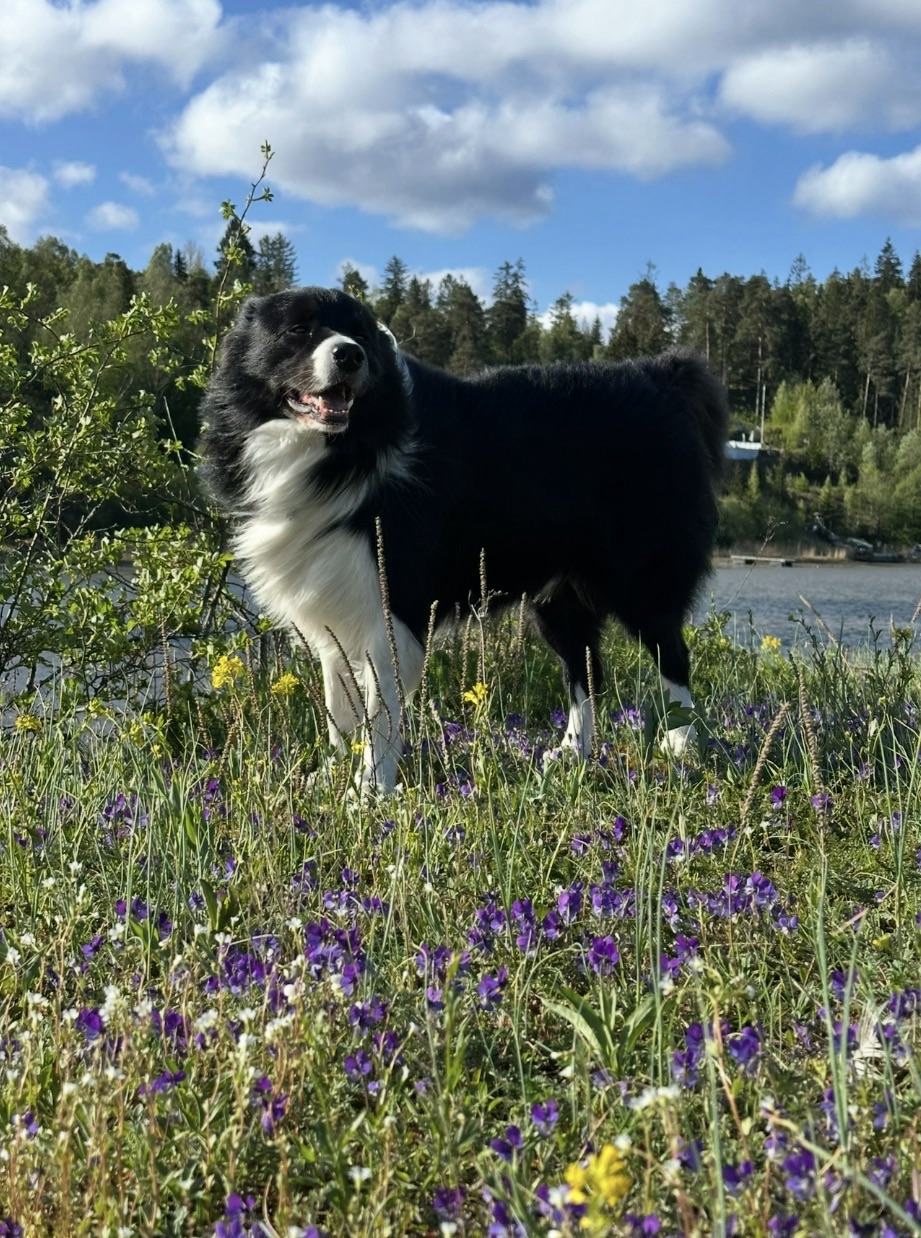
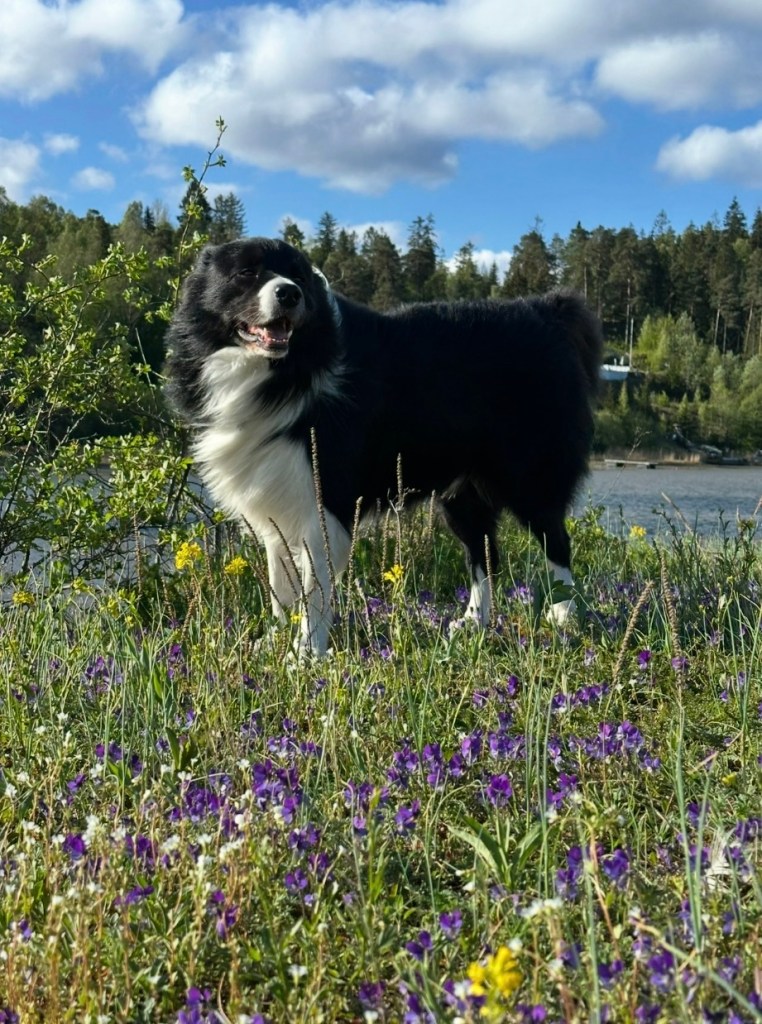
No one knew how to solve this, until the King’s dog Lucky had an idea: We arrange for a competition of food and drink from the two lands, and whoever wins the competition is the best land. And then he went about to get help to get the competition started.
Lucky was a very clever dog, but he knew that clever dogs should never do everything themselves. That was how mistakes happened.
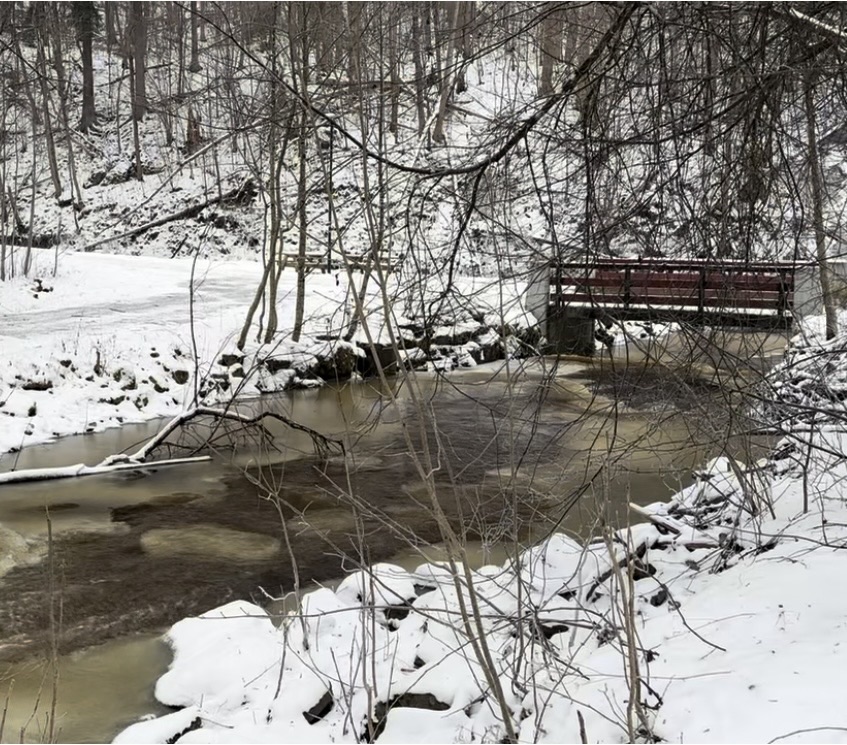
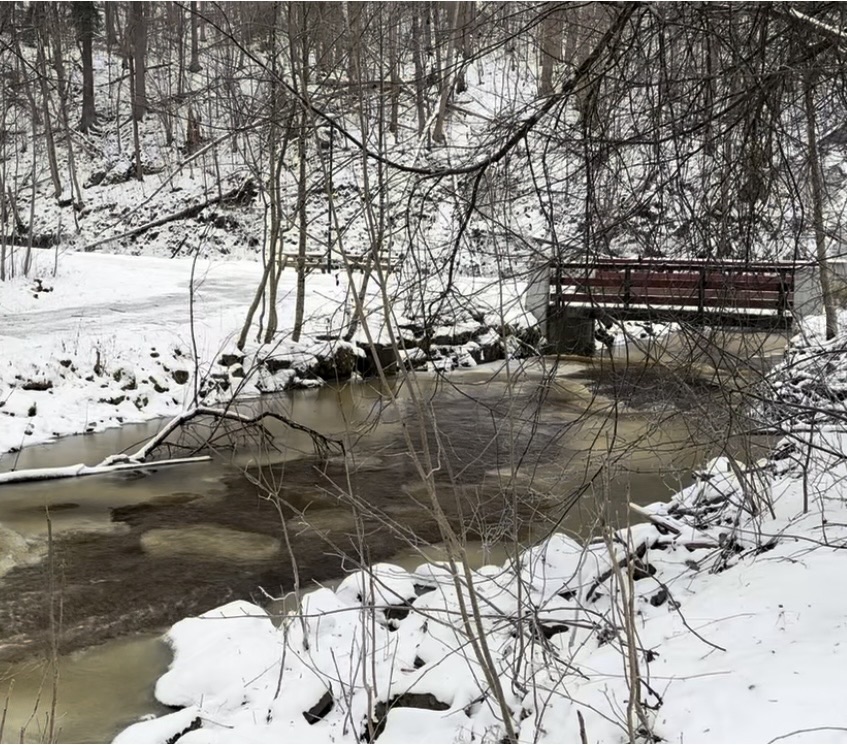
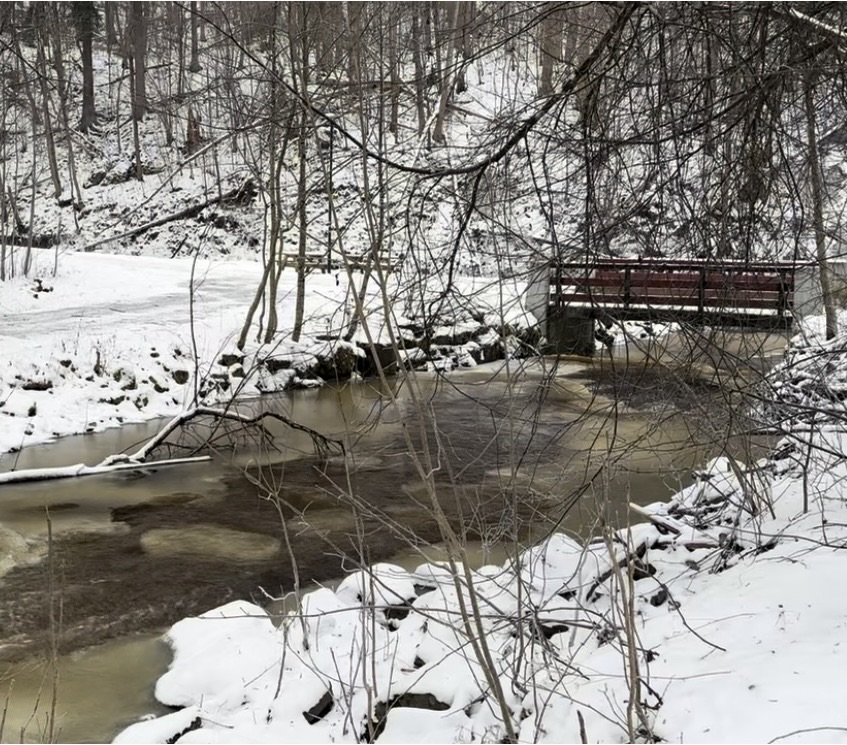
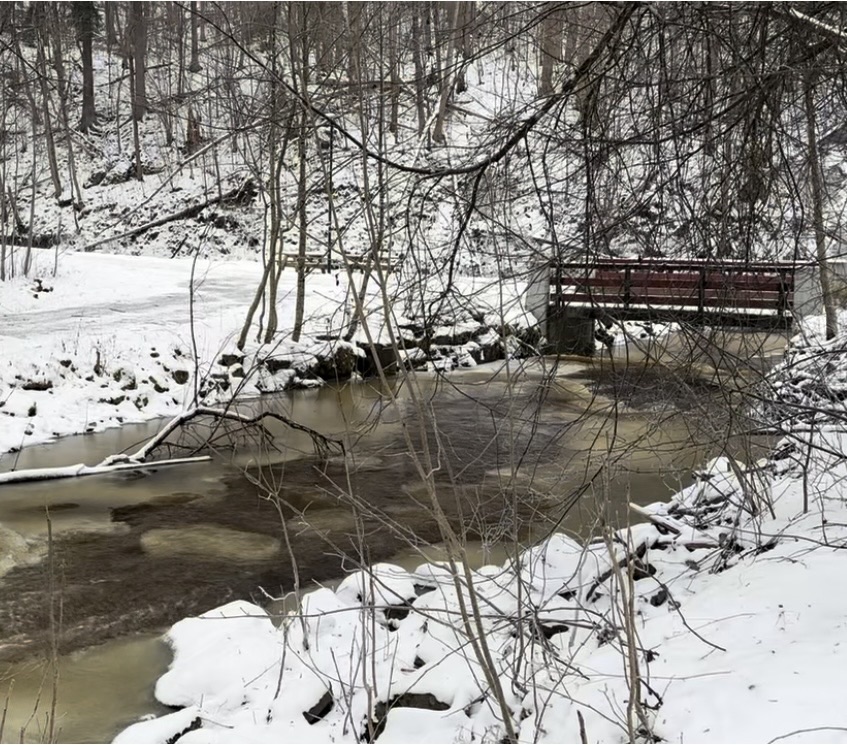
So he set off down the road from the castle, his tail held high and his nose held low, because a nose is much more useful near the ground. Before long he came to the river. There, beneath the red bridge, he found Chrismine the hare sitting on a stone and looking into the water.
“I need your help,” said Lucky.
“That depends,” said Chrismine.
“On what?”
“On whether you know where you are going.”
Lucky sat down. “I know what I want to happen.”
“That is not the same thing,” said Chrismine.
“No,” Lucky admitted. “Probably not.”
This pleased Chrismine, because she had met many creatures who knew neither where they were going nor what they wanted to happen, and yet insisted on giving directions.
Lucky told her about the two Kings, the quarrel, the parties nobody could attend, and his plan for a great competition of food and drink. When he had finished, Chrismine twitched one ear.
“Who will judge it?”
Lucky stared at her. He had not thought of that.
“The King?”
“Which one?”
“Oh.”
“And where will you hold it?”
Lucky looked slightly less pleased with himself. He had not thought of that either.
“And,” Chrismine continued, “if the prize is to prove which land is best, what do you suppose the King who loses will do?”
Lucky’s ears drooped. “Start another quarrel?”
“Most likely.”
For a while they watched a red leaf floating in the river. It caught against a stone, trembled there, and then the water lifted it and carried it on.
At last Lucky said, “Then perhaps we need a different competition.”
“Perhaps,” said Chrismine.
“One where everybody can win?”
“That isn’t a competition.”
“One where nobody can lose?”
“That is even less of a competition.”
Lucky sighed.
Chrismine hopped down from her stone. “But it might,” she said, “make a very good party.”
And so the dog and the hare set off together to find someone who knew a great deal about food, someone who knew a great deal about drink, and—most importantly—someone who knew how to invite two Kings to the same place without either of them realizing that the other had been invited too.
That last person, Chrismine said, might be rather difficult to find.
Lucky wasn’t worried. He already had someone in mind.
Far away, on the other side of the river, August sneezed.
Lucky already knew exactly where they needed to go, though Chrismine suspected he was enjoying the suspense far too much for a dog who claimed to be in a hurry. They followed the river upstream, where the banks grew steeper and the trees leaned in as though listening. The air smelled faintly of smoke and something sweeter—something August always carried with him, even when he tried not to.
August was not a king, nor a knight, nor a wizard, though people often mistook him for all three. He was simply August: the keeper of gatherings, the arranger of feasts, the quiet architect of every celebration that had ever gone well. If a party had harmony, it was because August had once walked through it. If a quarrel had softened, it was because August had breathed nearby. And if two Kings needed to be invited to the same place without knowing it, well—there was no one else in the world who could manage that.
They found him sitting on a fallen birch trunk, rubbing his nose after the sneeze that had echoed across the river. His cloak was patched with colours from every season, and his boots were dusted with flour, as though he had walked straight out of a bakery.
“I knew you’d come,” August said, without looking up.
Lucky wagged his tail. Chrismine adjusted her green scarf.
“We need your help,” Lucky said.
“That depends,” August replied, echoing Chrismine with a small smile. “On whether you know what you’re asking.”
Lucky explained everything—the quarrel, the parties, the competition that wasn’t a competition, the idea of a gathering where nobody could lose and everyone could win simply by showing up. August listened with the patience of someone who had heard many plans, most of them half-baked.
When Lucky finished, August brushed a few crumbs from his cloak.
“You’re right,” he said. “This isn’t a competition. It’s a feast. And feasts don’t choose winners. They choose stories.”
Chrismine’s ears twitched. “Stories?”
“Of course,” August said. “Food is only food until someone tells a story about it. Drink is only drink until someone remembers who poured it. If the two Kings bring dishes from their lands, they won’t be competing. They’ll be sharing histories. And if they share histories, they’ll forget they were ever trying to prove anything.”
Lucky’s tail thumped the ground. “So we invite them both?”
“Oh yes,” August said. “But not in the same way.”
He stood, stretching his arms toward the pale sky.
“One King will receive an invitation to a tasting of Carpathian delicacies. The other will receive an invitation to a celebration of our own land’s finest dishes. They will arrive expecting to be honoured. They will discover they are hosts. And by the time they realise they are hosting together, it will be too late to quarrel.”
Chrismine nodded approvingly. “A very good party.”
“A very good party indeed,” August agreed. “But we’ll need help. Someone who knows the old recipes. Someone who knows the new ones. Someone who can carry messages without being seen. Someone who can gather musicians. Someone who can keep the Kings from arriving too early. Someone who—”
Lucky barked happily. “I know exactly who.”
And far away, in the kitchens of the castle, the Royal Cook dropped a spoon, because she suddenly felt that something important was about to happen.
The Royal Cook’s name was Beatrice, and she trusted sudden feelings more than most people trusted maps. When she dropped the spoon, it bounced three times on the kitchen floor.
“That’s interesting,” said Beatrice.
The kitchen boys looked up. “What is?” one asked.
“A spoon that bounces three times always means visitors.”
The kitchen boys had never heard this before. “Really?”
“No,” said Beatrice. “But it sounds true, doesn’t it?”
And she returned to kneading dough.
A few hours later there came a knock at the kitchen door. Lucky entered first, carrying himself with the importance of a dog on official business. Chrismine followed, her scarf fluttering behind her. August came last.
The moment Beatrice saw him, she folded her arms. “Oh dear,” she said.
“What?” asked Lucky.
“Whenever August visits, my kitchen gets twice as busy and three times happier.”
August bowed. “I was hoping for exactly that.”
They explained the plan. Beatrice listened while shaping little rounds of bread between her hands. A feast of stories. A gathering of both kingdoms. No competition. No winners. No losers. Only tables long enough for strangers to sit together.
When they had finished, Beatrice placed the dough aside. “Well,” she declared, “that settles it.”
“Settles what?” asked Lucky.
“The menu.”
Lucky blinked. “You already know it?”
“Of course.”
“You haven’t heard any recipes from Carpathia.”
“I don’t need to.”
Chrismine narrowed her eyes. “That sounds suspicious.”
Beatrice smiled. “Not at all. If we spend our time deciding whose recipes are better, we’ll end up right back where we started.” She pointed toward the castle windows. “The feast should have old recipes and new recipes. Grand recipes and simple recipes. Carpathian recipes and ours. The sort of food that reminds people of their grandmothers and the sort of food children accidentally get all over their faces.”
August nodded approvingly. “The best kind of feast.”
“The only kind,” said Beatrice. Then she lowered her voice. “There is, however, one problem.”
Everyone became quiet. Even the kettles seemed to stop bubbling.
“What problem?” asked Lucky.
“The Kings.”
“Oh yes,” said Chrismine. “Them.”
“They’ll sit at opposite ends of the hall.”
“They probably will.”
“They’ll glare at each other.”
“Almost certainly.”
“They’ll spend the entire evening pretending not to enjoy themselves.”
August considered this. Then he smiled. It was never a large smile. August preferred smiles that worked quietly.
“They can’t glare if they’re busy.”
“So keep them busy,” said Beatrice.
“They can’t sit apart if there are no special tables.”
“So remove the special tables.”
“And they can’t quarrel if everyone keeps asking them questions.”
Lucky’s ears lifted. “What kind of questions?”
“The sort people love answering,” said August. He began counting on his fingers:
“What was your favourite meal when you were young?” “Who taught you to cook?” “What food reminds you of home?” “Which celebration do you remember best?”
Beatrice laughed. “No one can answer those questions and remain angry for very long.”
“Exactly.”
Chrismine looked thoughtful. “The feast may work after all.”
“It will work,” said August.
“How can you be sure?”
August glanced out of the window. The sun was setting beyond the hills, turning the clouds the colour of baked apples.
“Because every quarrel begins with people forgetting they belong to the same story.”
“And feasts?” asked Lucky.
“Feasts remind them.”
For a moment nobody spoke. Then a tiny voice came from beneath one of the tables.
“I can help.”
Everyone looked down. A small field mouse emerged carrying an enormous walnut shell. At least it seemed enormous from the mouse’s point of view.
“Who are you?” Lucky asked.
“Edwin.”
“What can you do?”
Edwin placed the walnut shell on the floor and stood proudly beside it. “I know every secret passage in the castle.”
August’s eyebrows rose. “Every single one?”
“Well,” said Edwin modestly, “all the useful ones.”
“Aha,” said Chrismine. Now that sounded promising.
And before anyone could ask another question, Edwin added: “Also, I may already know where the Kings are hiding the gifts they’ve bought for the feast.”
The room fell completely silent.
“The Kings bought gifts?” asked Lucky.
The mouse nodded. Both Kings had insisted they were attending separate celebrations. Both had secretly purchased presents. Neither wanted anyone to know.
August smiled. Sometimes, he reflected, people became friends long before they realized it themselves.
And at that exact moment, in two different castles, two different Kings were staring at two very similar gift-wrapped packages and wondering why, for the first time in months, they were looking forward to a party.
“Gifts,” whispered Chrismine, her left ear tilting toward the flour bin. “Kings never buy gifts unless they wish to appear magnanimous, or unless they feel terribly guilty.”
“Or,” Edwin squeaked, adjusting his walnut shell with great precision, “because they both bought the exact same thing.”
Lucky rested his chin on the warm tiles of the kitchen floor, gazing at the little mouse. “What did they buy?”
“Carpathian plums,” Edwin whispered, leaning forward as if the stone walls had ears. “Preserved in honey and cloves. The King of Carpathia bought an earthenware jar of them to show our King what real fruit tastes like. And our King bought a jar from a travelling merchant to prove that our valley can preserve things just as sweetly.”
Beatrice burst into a sudden, deep chuckle that rattled the pewter mugs hanging from the oak beams. “Two jars of the very same plums! Neither man has looked into an orchard in twenty years, but suddenly their royal honour hangs on a spoonful of spiced syrup.”
“Which gives us,” August said softly, dusting a speck of cinnamon from his knuckles, “our middle.”
“Our middle?” asked Lucky, lifting his head.
“Every good feast has a beginning that welcomes, a middle that untangles, and an end that stays in the belly until morning,” August explained. “The secret of a feast is never to keep two rivals apart. If you keep them apart, they simmer. You must set them shoulder to shoulder over a task so small that their crowns feel ridiculous.”
“Such as?” asked Chrismine.
“Such as opening a pair of jars whose wax seals are notoriously stubborn,” said August.
The night before the great feast, the red bridge over the river was dressed in lanterns. Long trestle tables were carried out not to our King’s high hall, nor to the grand court of Carpathia, but directly onto the mossy meadow between the two realms—where the air tasted of cold river water, crushed pine needles, and Beatrice’s woodsmoke. There were no thrones, only wide benches smoothed by years of harvest suppers.
When the Carpathian King arrived, his cape lined with thick ermine against the autumn chill, he was met by Lucky, who wagged his tail with such unshakeable conviction that the King had no choice but to bend down and scratch him behind the ears.
“A good dog,” the Carpathian King murmured, glancing around suspiciously. “Though I was told this was an intimate tasting of our native delicacies.”
“It is,” said a gentle voice. August emerged from behind a row of braziers, carrying a platter of warm oatcakes. “And the host is already waiting.”
From the opposite end of the birch grove came our King, clutching a heavy, velvet-wrapped bundle beneath his arm, looking very grand, slightly defensive, and distinctly hungry.
The two monarchs stopped three paces apart. The river rushed quietly beneath the red bridge. The smell of spiced broth, roasted parsnips, and warm sourdough hung thick and sweet in the twilight.
“Carpathia,” said our King stiffly.
“Neighbour,” said the King of Carpathia, narrowing his eyes. “You have… brought provisions?”
“A tribute,” said our King with immense dignity. “A delicacy unknown to mountain palates, I suspect.”
“Hardly,” replied the Carpathian King, setting his own parcel on the rough wooden table. “I have brought the true prize of the harvest.”
August did not give them time to dispute the matter. He set two heavy silver spoons on the wood between them.
“Before the guests sit,” August said mildly, “a tradition must be kept. The openers of the feast must unseal the sweet-crocks together, or the stew will turn sour before midnight.”
“Is that a law?” asked our King, frowning.
“It sounds true, doesn’t it?” said Beatrice, appearing at August’s shoulder with a steaming kettle.
The two Kings looked at the jars. They looked at each other. With twin expressions of deep royal concentration, they untied the twine, cracked the dried wax with their thumbs, and drew back the linen covers.
Inside each crock lay dark, glossy plums, swimming in identical amber honey, scented with identical cloves.
The King of Carpathia blinked. “Where did you get these?”
“A peddler from the low pass,” our King muttered, his cheeks turning faintly red. “He swore they were the finest in the world.”
“He bought them from my aunt’s orchard,” said the King of Carpathia. He picked up his spoon, dipped it into our King’s jar, and tasted it. He paused. He dipped the spoon into his own jar.
“Well?” asked our King, bracing for an insult.
“Yours has more clove,” said the Carpathian King, thoughtfully smacking his lips. “I think… I think I prefer yours.”
Our King blinked, thoroughly disarmed. He dipped his own spoon into the Carpathian King’s jar. “Nonsense. Yours has far better thyme in the syrup. Mine lacks backbone.”
From under the bench, Edwin the mouse nudged Chrismine’s foot. “Are they quarrelling about whose gift is worse?”
“No,” Chrismine whispered back, her nose twitching with satisfaction. “They are arguing about who gets to be more generous. It is the only quarrel worth having.”
By the time the musicians struck their first chord—a lively, stumbling melody played on an old fiddle and three clay flutes—the two Kings were sitting on a single bench, arguing passionately over whether goat cheese belonged before or after the roast goose.
Plates piled with roasted meats, warm rye bread, pickled forest mushrooms, and sweet Carpathian pastries were passed from hand to hand across the river boundary until nobody remembered whose side of the bridge they were sitting on. Children with butter on their chins ran through the dry leaves, while Lucky trotted from table to table, collecting tidbits with the quiet pride of a dog whose plan had gone entirely right.
August stood by the river’s edge, a cup of warm spiced cider in his hand, watching the firelight flicker across the red bridge.
“A very good party,” Chrismine murmured, coming to sit on a dry log beside his boot.
“The best kind,” August said, watching the two Kings share a loaf of bread Beatrice had only just pulled from the embers. “The kind where everyone goes home believing the peace was entirely their own idea.”
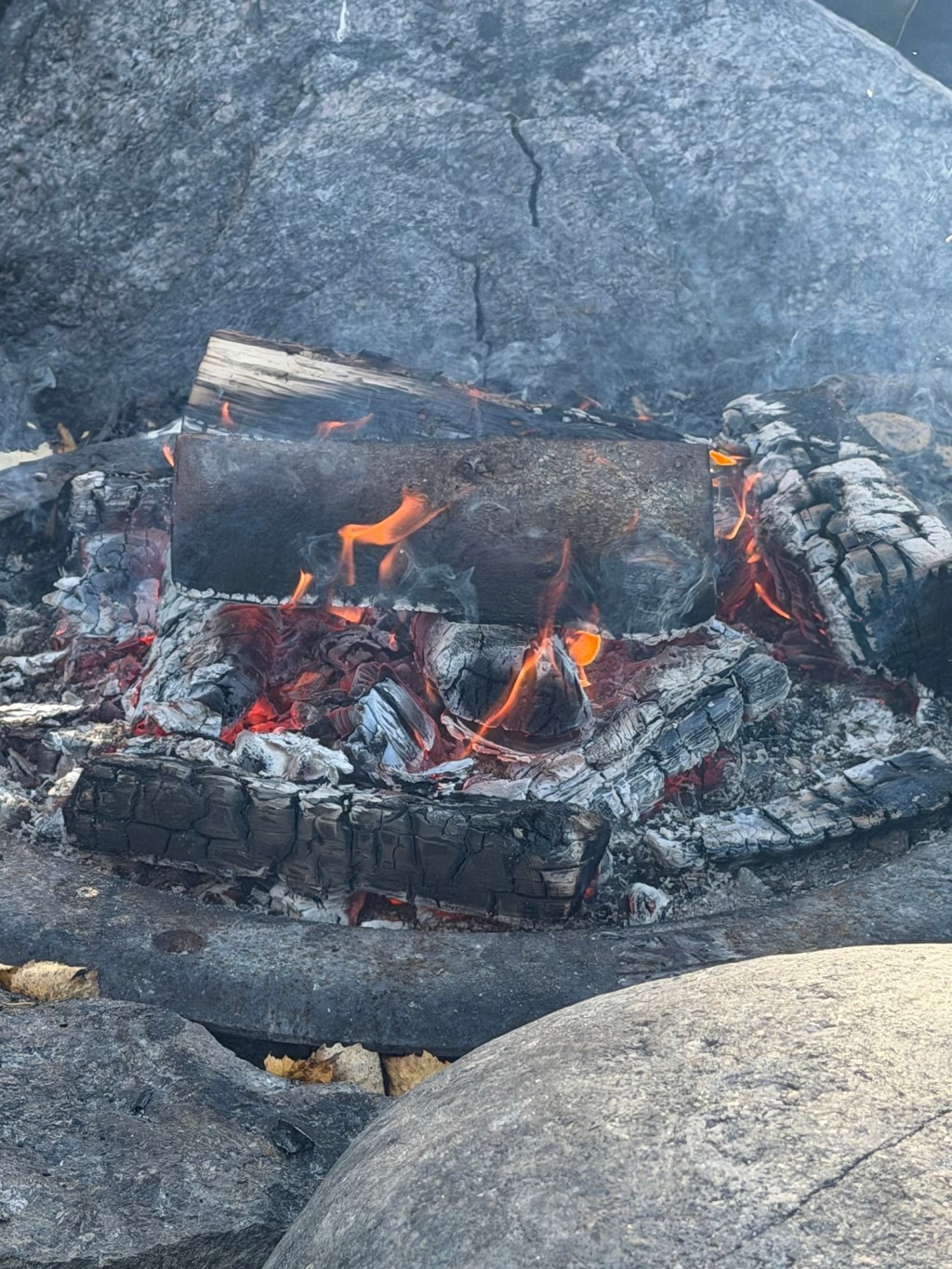
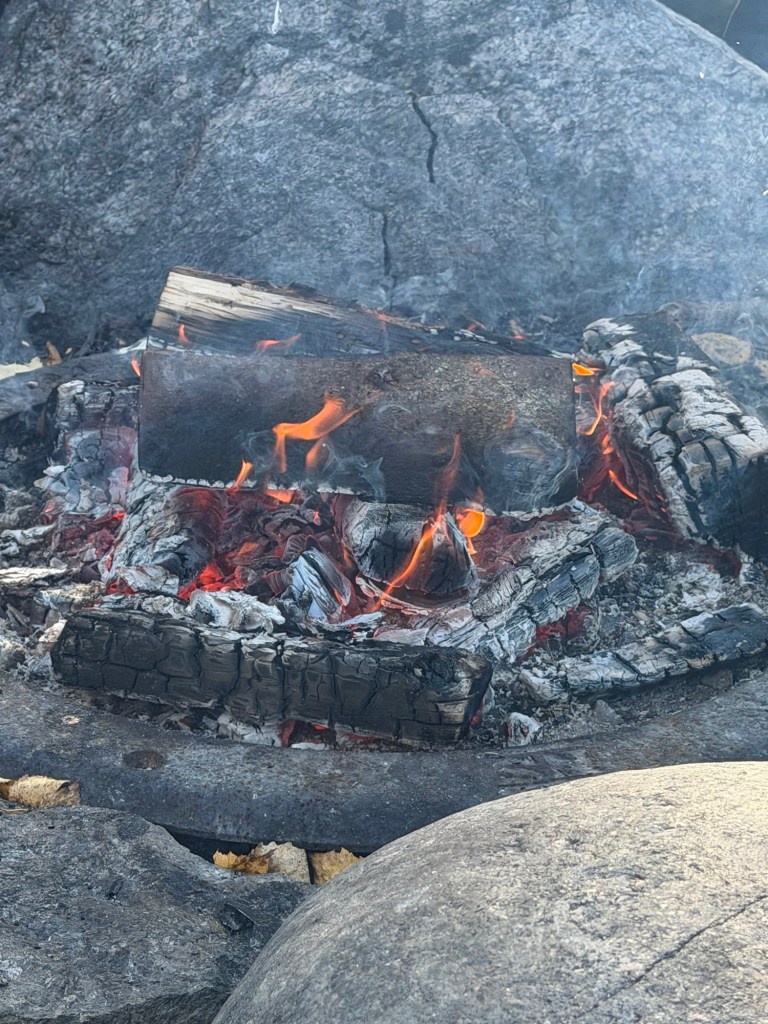
The fire had burned low by the time the first King fell asleep sitting upright, his crown tilted sideways against a post, and nobody thought it polite to wake him. The second King was not far behind, though he insisted, three times, that he was merely resting his eyes “to better appreciate the music.”
Lucky curled beside the embers, full and drowsy, half-listening to the fiddle player coax one last slow tune from the night. Chrismine sat combing a burr from her scarf. Beatrice was scraping the last of the parsnips into a jar for the morning, because a good cook never let good food go to waste, not even at the end of a miracle.
It was Edwin who broke the quiet.
“I should confess something,” he said, climbing onto the bench beside Chrismine with the careful dignity of a mouse who has rehearsed a sentence several times.
“Confessions after midnight are usually the honest kind,” said Chrismine. “Go on.”
“The secret passages,” Edwin said. “I didn’t only use them to find the plum jars.”
August, who had been quietly feeding the fire, looked over without alarm. He had long ago learned that the quiet ones in a story were usually the ones holding the next thread.
“There’s an old passage,” Edwin continued, “under the red bridge itself. Bricked at both ends, but mice don’t need bricks to mind them. And carved into the stone at the middle of it—where no King and no mason has stood in a hundred years—there are two names.”
“Whose?” asked Lucky, lifting his head.
“A Queen of ours,” said Edwin, “and a King of Carpathia’s. Side by side. With a date older than either castle’s youngest tapestry.”
Nobody spoke. The fire cracked once, sending up a small orange star that drifted and went out before it reached the dark.
“They were kin,” Beatrice said slowly, setting down her jar. “Before the quarrel. Before the quarrel before this quarrel, even.”
“It would explain the bridge,” August said. “Why it was built red, when every other bridge in both kingdoms is grey stone or plain wood.”
“Red for remembering,” Chrismine murmured, half to herself.
Lucky sat up fully now, ears high. “Should we tell them? The Kings?”
August considered this for a long moment, the way he considered most things—not slowly out of doubt, but slowly out of respect for the size of what was being asked.
“Not tonight,” he said finally. “Tonight they have already remembered the important part, without needing names or dates to prove it to them. Let them wake tomorrow still warm from it. The passage will keep. Stone always does.”
“And when should we tell them?” Lucky pressed.
August looked toward the red bridge, lantern-light trembling on the water beneath it, and smiled his small, quiet smile.
“When they ask why it should happen again next year,” he said. “That’s when a story is ready to be given. Not before.”
Edwin looked faintly disappointed, as mice carrying very good secrets often do.
“You may tell it to the walnut shell, if it helps,” Chrismine offered kindly.
“It does, actually,” said Edwin, and he did.
Above the meadow, the sky had cleared enough to show a scatter of early stars, the same indifferent, patient stars that had watched quarrels begin and feasts mend them for longer than any bridge had stood. Somewhere past the tree line, the river kept on exactly as it always had—unhurried, unconcerned with Kings, carrying its red leaves and its old names equally gently toward morning.
And so the first night of peace between two kingdoms ended not with a treaty, nor a proclamation, nor even a formal toast—but with two sleeping Kings, a scraped-clean parsnip pot, a mouse confiding in a walnut shell, and a dog who had, against every reasonable expectation, gotten exactly what he wanted simply by admitting he didn’t know how to get there alone.
Morning arrived the way it always does after a very good night—too brightly, too suddenly, and with absolutely no regard for crowns that had fallen sideways into the grass sometime before dawn.
The King of Carpathia woke first, blinking at a sky gone pale gold, and discovered that his cloak had somehow become a blanket for three sleeping children who were not his own. He decided, on reflection, not to disturb them.
Our King woke second, with a stiff neck and the lingering, pleasant confusion of a man who has laughed more in one evening than in several preceding months combined. He sat up, looked at the dead fire, looked at the river, and looked at the Carpathian King now stretching on the opposite bench.
“Did we,” he said slowly, “agree to do this again?”
“I believe,” said the Carpathian King, rubbing his neck, “we agreed to nothing. Which is possibly why it worked.”
Beatrice, already awake and already elbow-deep in the business of turning leftover roast goose into a breakfast broth, snorted loudly enough that both Kings turned to look at her.
“Men,” she said, to no one in particular, “will split a kingdom over a word, and make peace over a plum, and never once notice which was the harder thing.”
Lucky trotted over with the easy satisfaction of a dog who considered the entire affair solved, sat himself squarely between both sets of royal boots, and waited to be scratched by whichever hand arrived first. Both did.
It was the Carpathian King, scratching Lucky’s ear with one hand and shielding his eyes against the morning light with the other, who finally asked the question August had been waiting for.
“Tell me,” he said, looking down the length of the meadow to where the bridge stood red and quiet over the moving water, “why is it painted that colour? Every other bridge in either of our kingdoms is plain. This one never was.”
Our King looked at it too, as if seeing it freshly. “I never asked. It has simply always been red.”
August, who had been quietly repacking the braziers, paused. “Would you like to know?” he asked.
Both Kings looked at him—not with suspicion, not even with royal impatience, but with the plain curiosity of two men who had, for one evening, stopped being Kings long enough to remember they were also simply curious.
“Yes,” they said. Together. Which neither of them noticed, and everyone else did.
August nodded once toward the bench beneath the willow, where a small shape sat very still beside a walnut shell, trying very hard to look as though he had not been listening for exactly this moment his entire small life.
“Edwin,” August said gently, “would you care to tell it?”
Edwin stood up so fast he nearly toppled his walnut shell into the grass.
“I would be delighted,” he said, in the voice of a mouse who has waited his whole life to matter, and has just discovered that the waiting is over.
He told them about the passage beneath the bridge. About the bricked ends that no mason remembered sealing, and no King remembered ordering sealed. About the two names carved into the stone at the very middle, where the river ran loudest and no torch had reached in a hundred years—a Queen of one kingdom, a King of the other, carved side by side, with a date far older than either of their crowns.
“Kin,” Edwin finished. “Before whatever started the quarrel that neither of you can even properly explain anymore.”
The meadow went quiet. Even the river seemed to listen more carefully, which rivers are generally very good at.
The Carpathian King looked at our King. Our King looked at the bridge. Neither man said anything for a long moment—not because there was nothing to say, but because some things need silence first, the way bread needs time before it is cut.
“Red,” said our King finally, “for remembering.”
“We painted over the remembering,” said the Carpathian King quietly, “and called it a border instead.”
Chrismine, from her perch on the log, allowed herself the smallest, most satisfied smile a hare has ever worn.
“Well,” she said. “Now you know. What will you do with knowing?”
The Carpathian King stood, stretched, and held out his hand—not across a table, not over a jar of plums, but simply across the morning grass.
“Same time, next autumn?” he said. “Same meadow. Same bridge. And perhaps, this time, we paint it again before it fades.”
Our King shook the offered hand.
“Same time,” he agreed. “Though I insist on bringing the plums myself next time. Yours had too much thyme.”
“It did not.”
“It absolutely did.”
And so the two Kings walked off still arguing—happily, pointlessly, the way old friends argue when the argument itself is simply another way of saying I am glad you are here.
Lucky stood at the edge of the red bridge long after the trestle tables had been carried away and the last lantern pinched out, watching the river carry a single fallen leaf beneath the old red boards—turning once, twice, unhurried, the way it had carried leaves and names and quarrels and reconciliations for longer than anyone currently living could properly remember.
He did not know the whole of what the water carried. He did not need to.
It was enough, he decided, settling down with his chin on his paws, that it kept moving. That it kept coming back around, every autumn, red and quiet and patient, exactly where it had always been—waiting, the way good things do, for someone simply to notice it again. And they lived happily, and the two lands prospered together.
🍂🌉✨
© Helene Møller 2026. All rights reserved.
Text co-written with OpenAI ChatGPT, Anthropic Claude, Google Gemini and Microsoft Copilot (two versions).