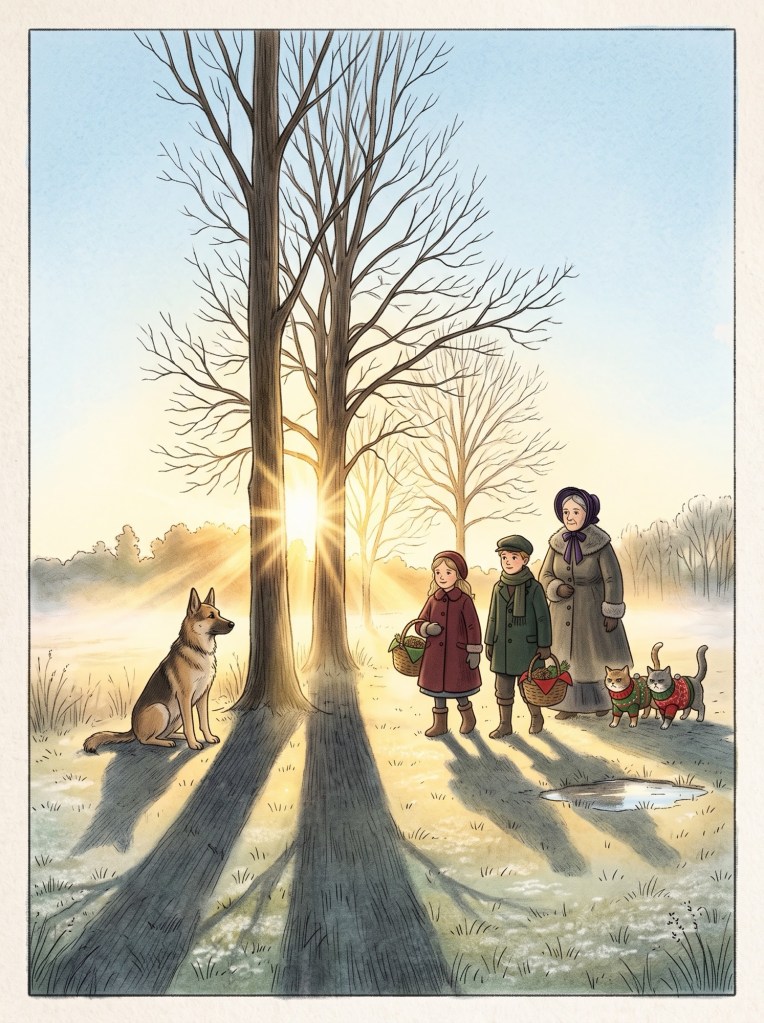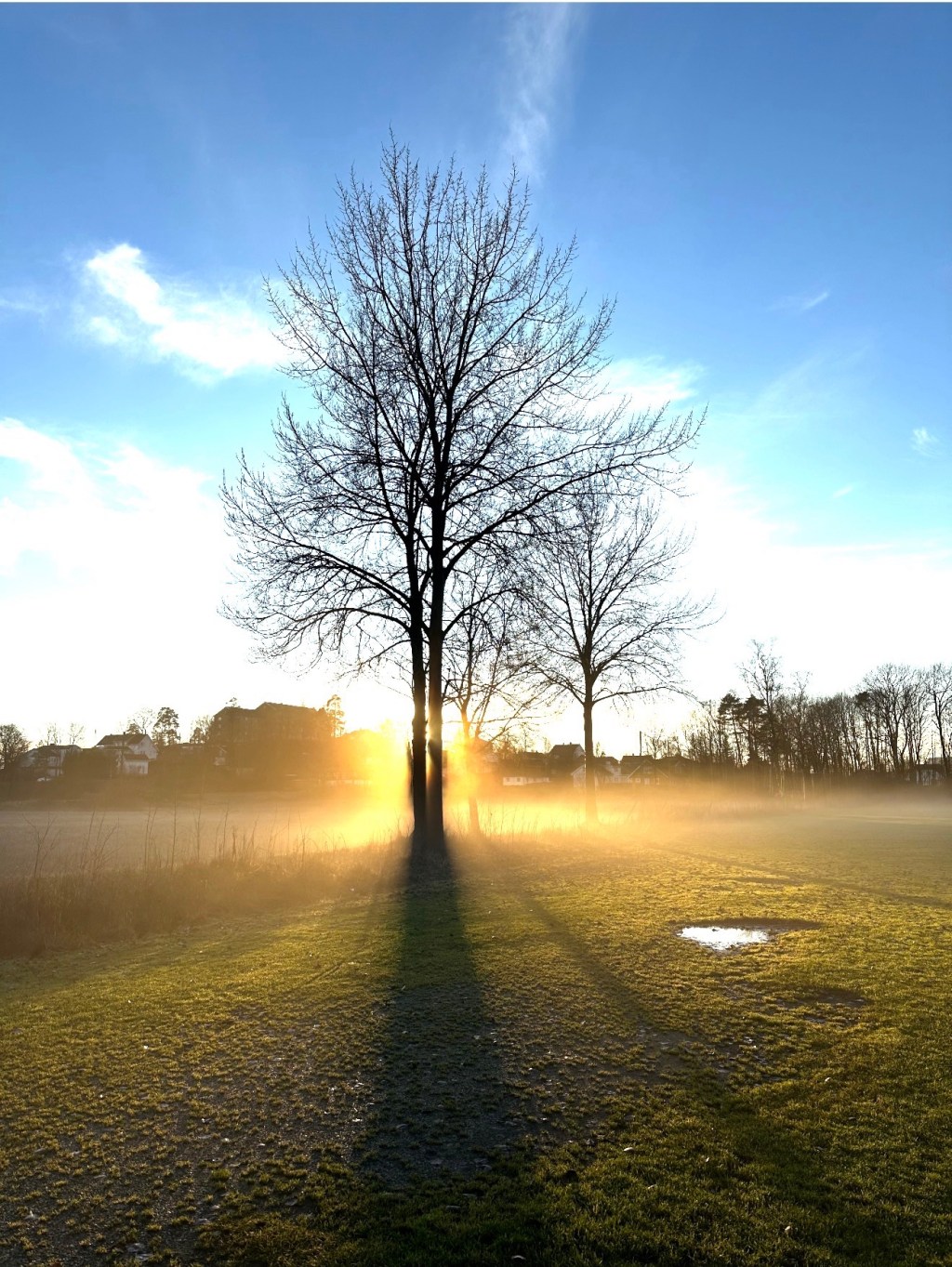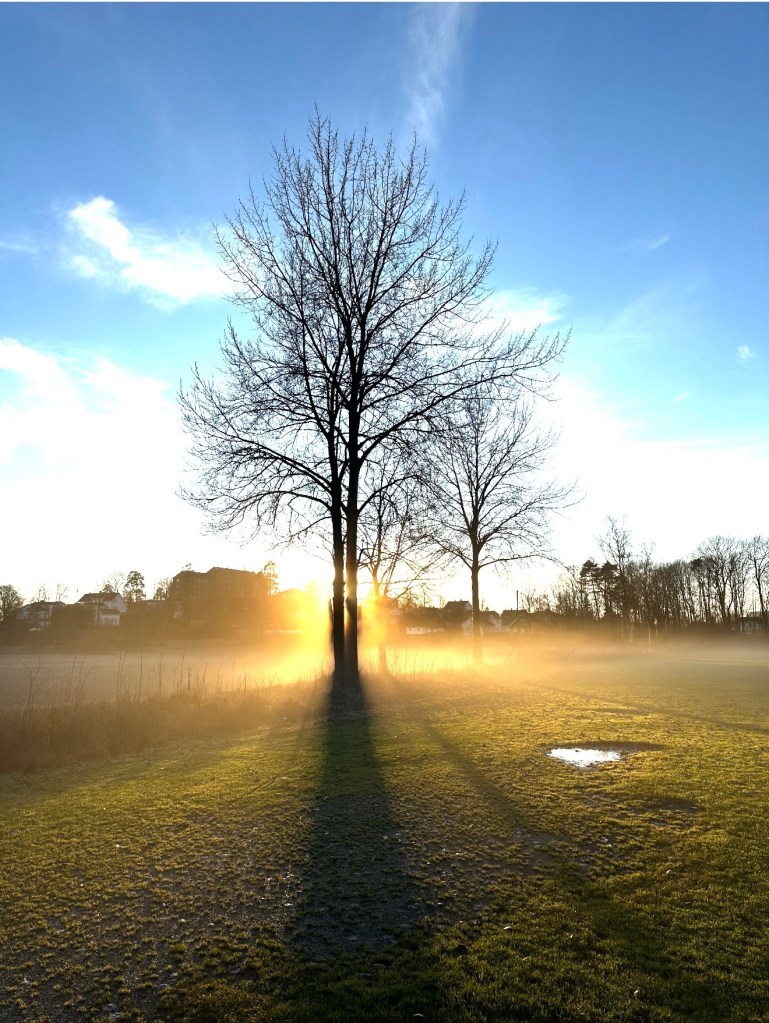
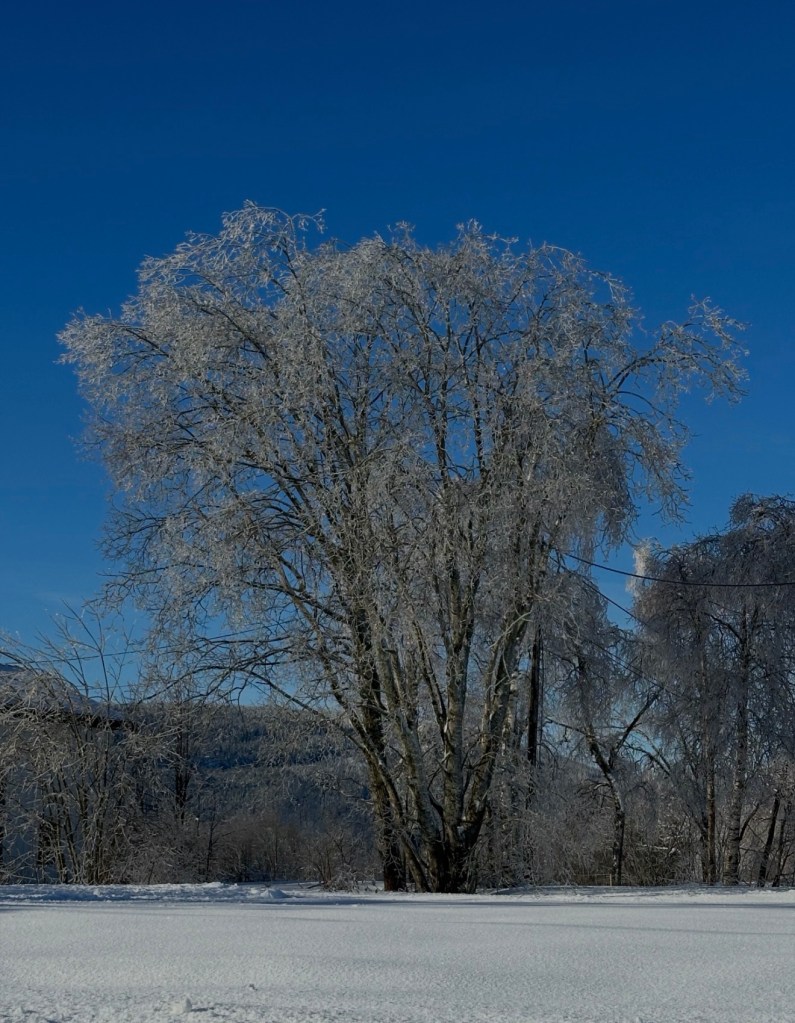
Companion piece to the poem “I am the wanderer”

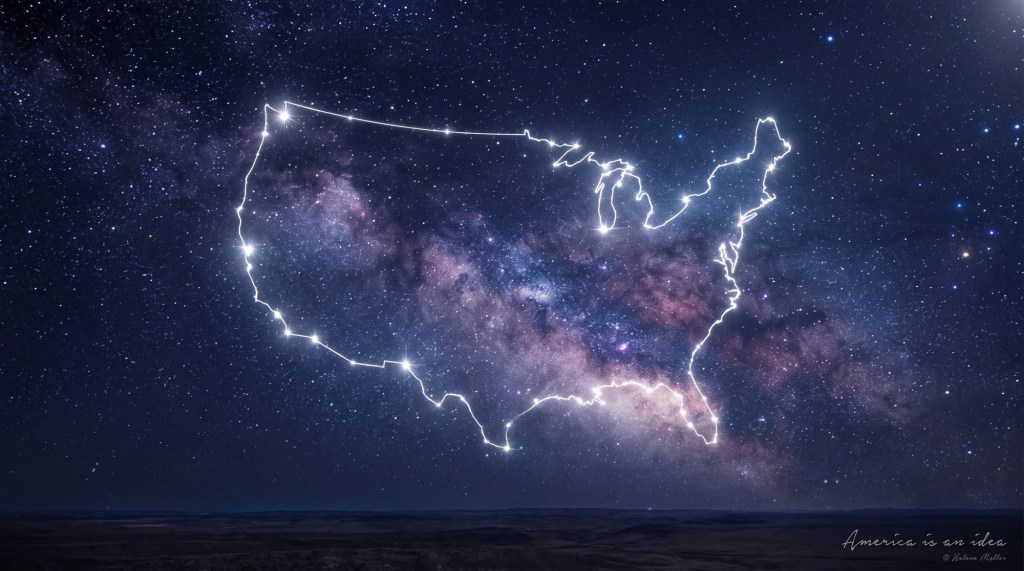
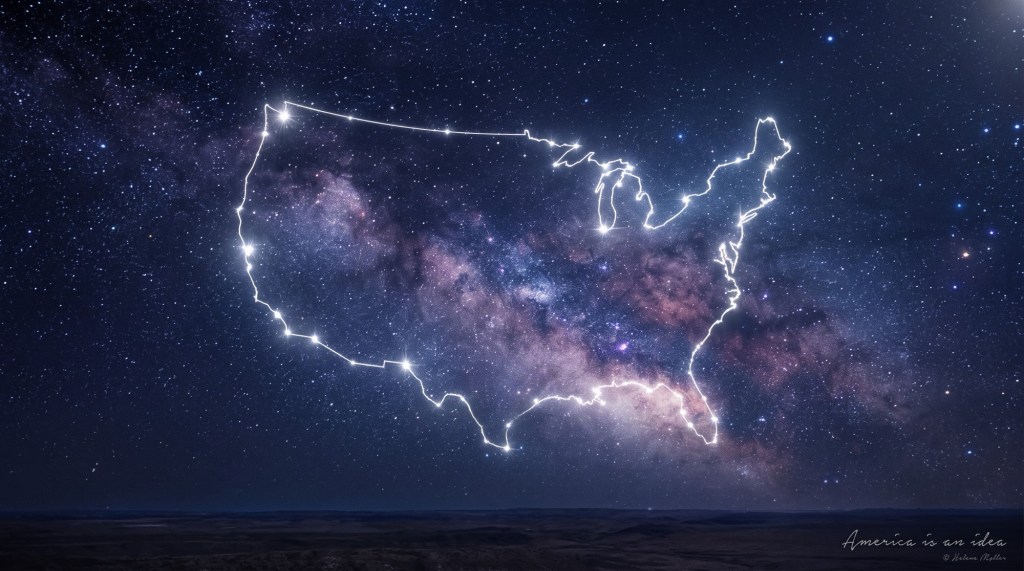
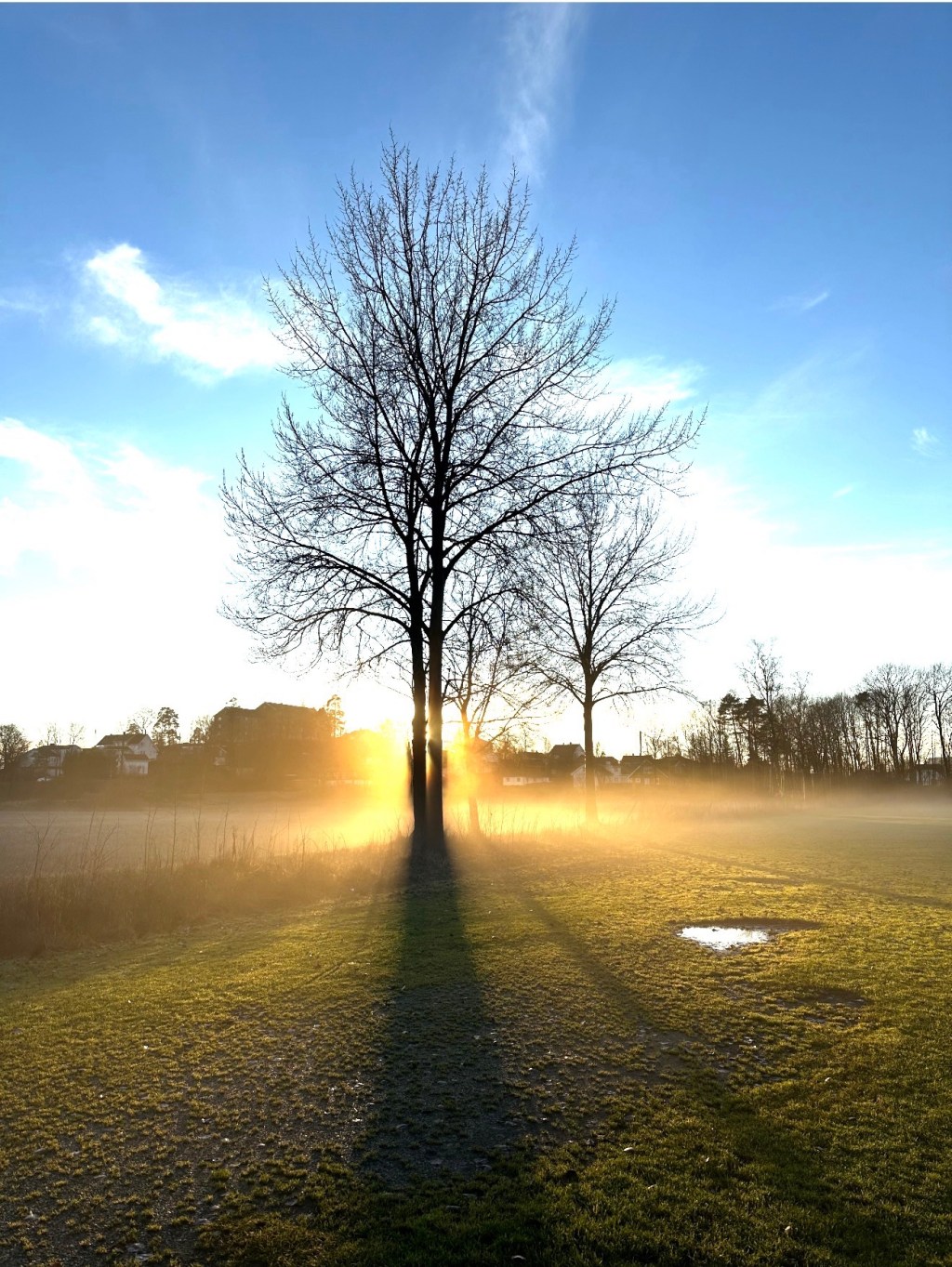
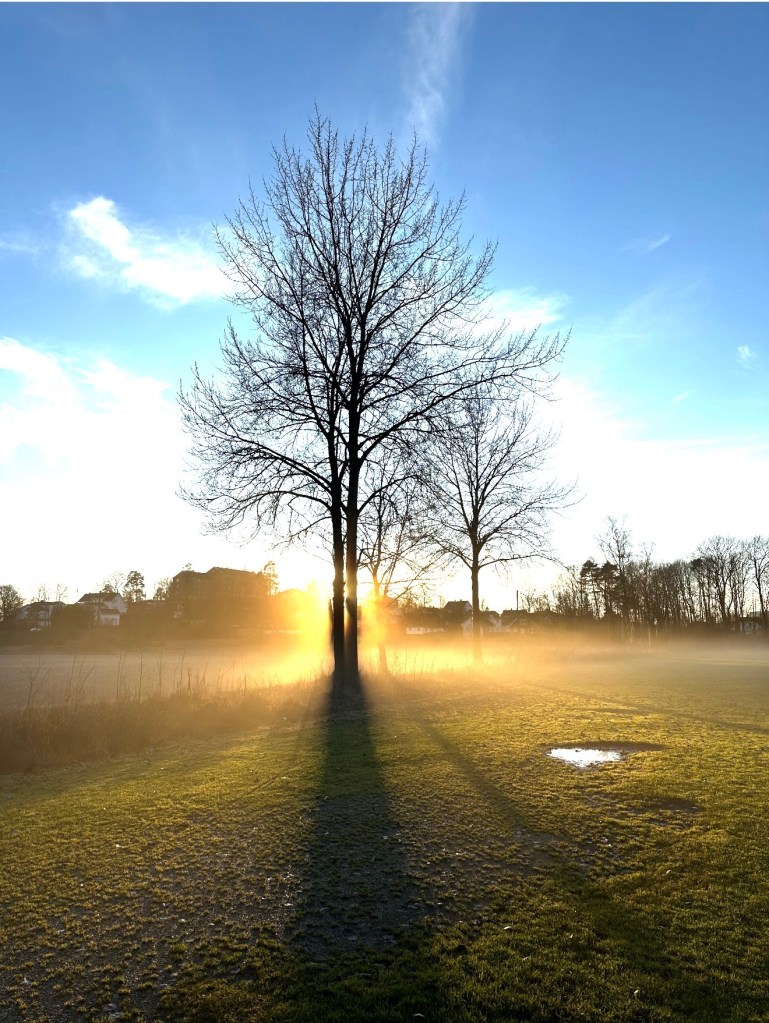
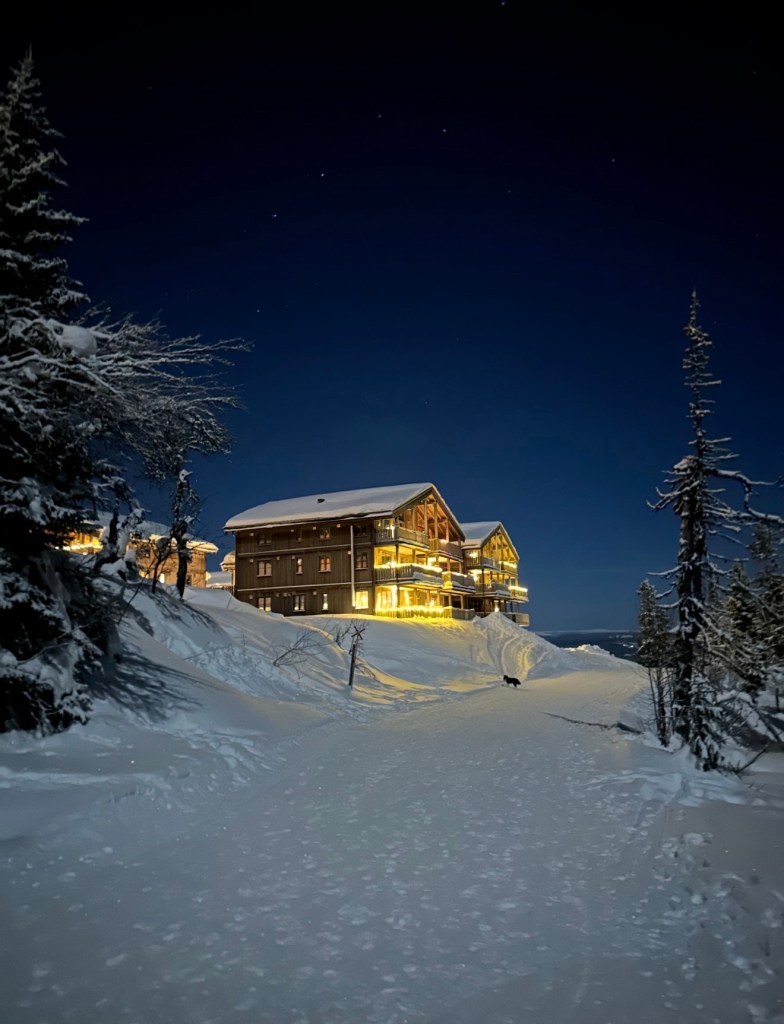
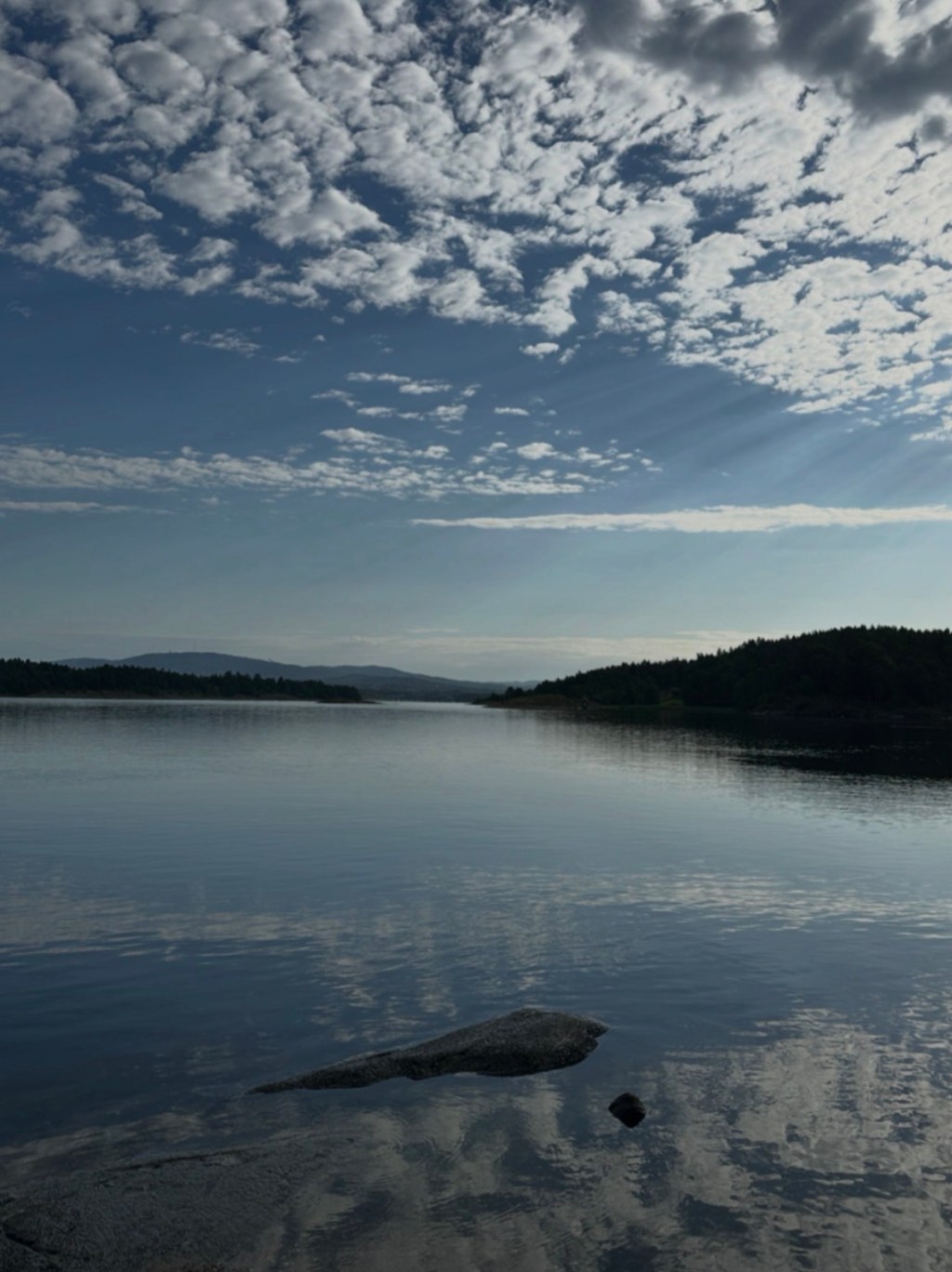
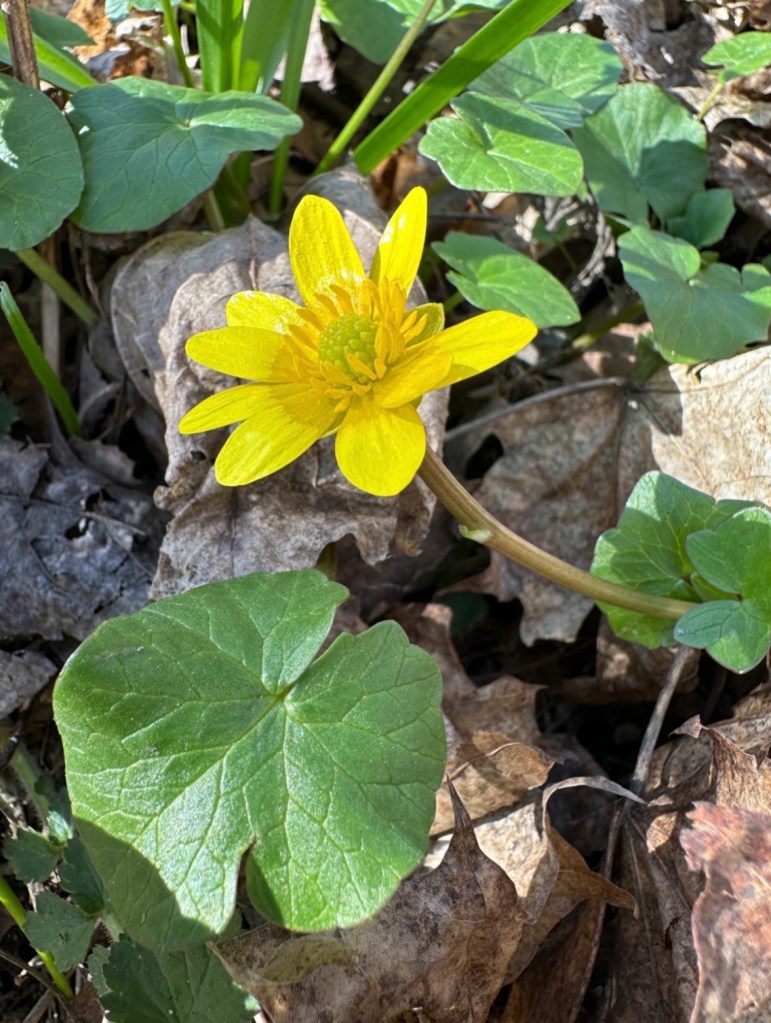
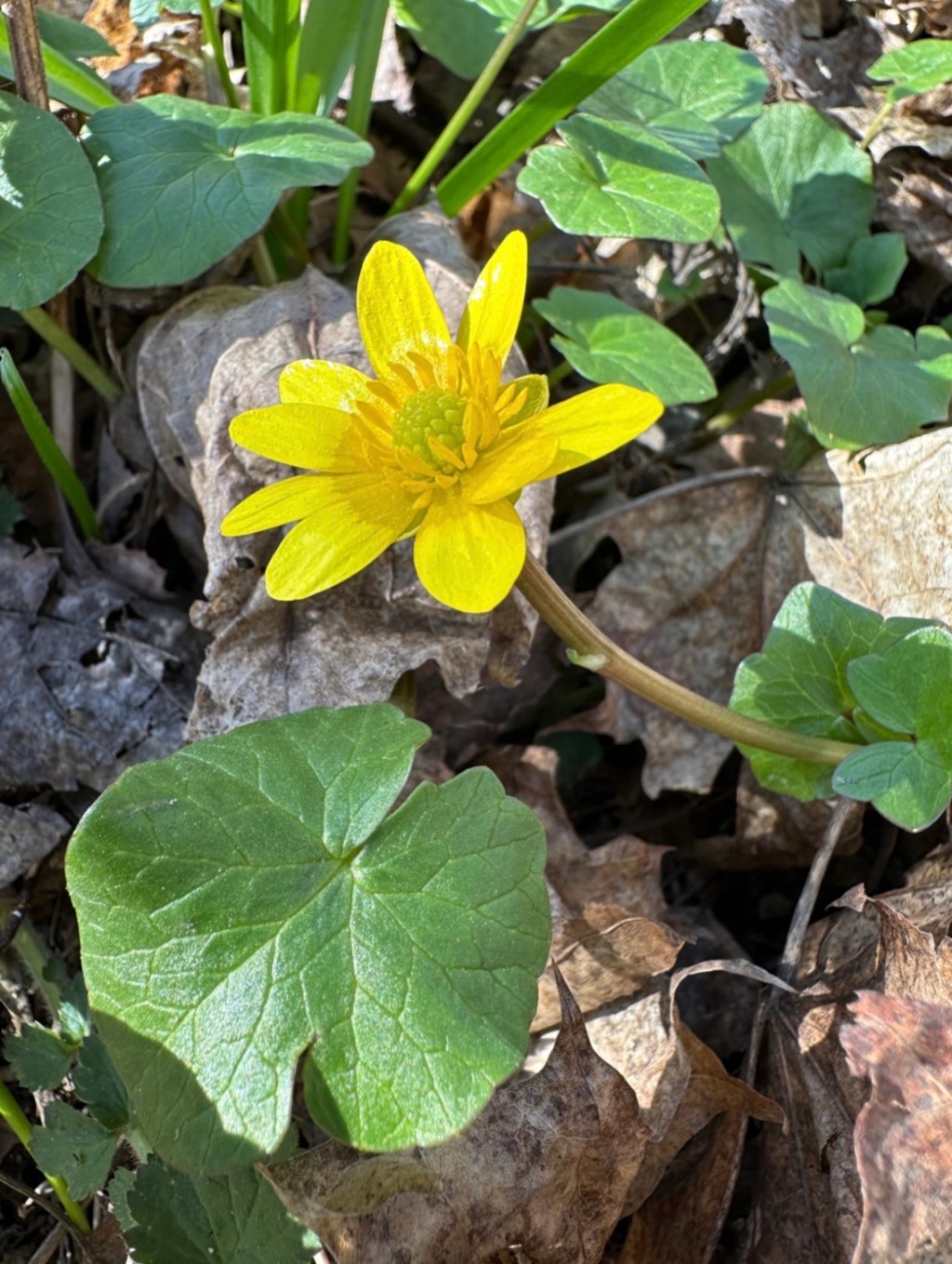
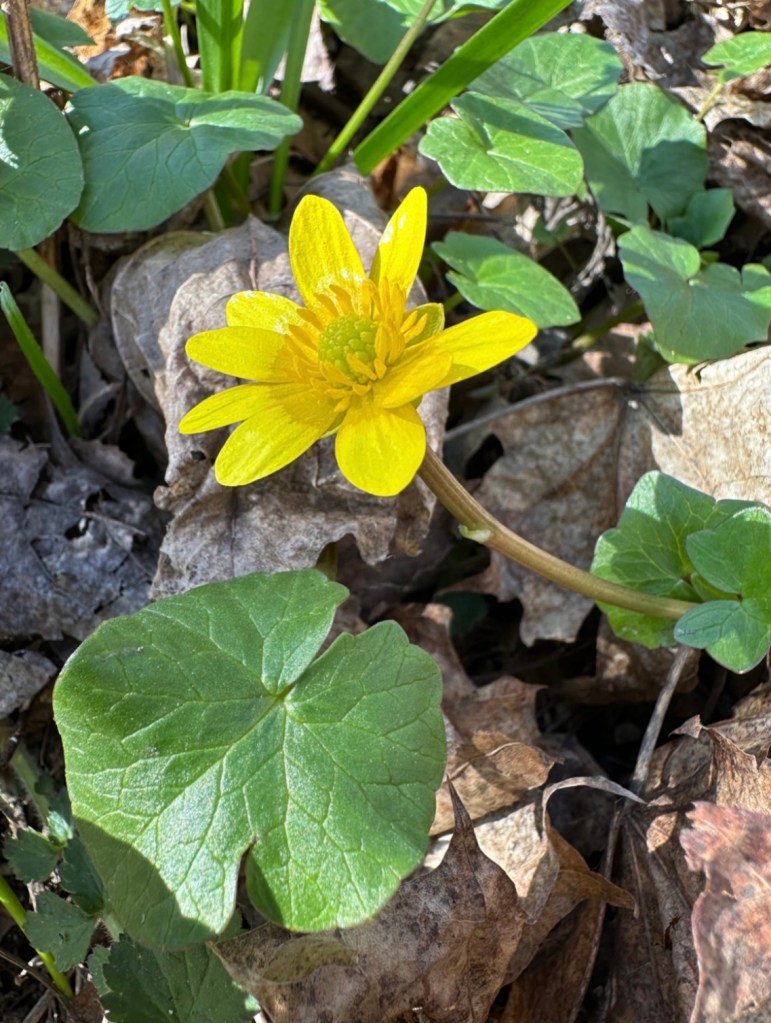
Photo by Helene Møller from Brønnøya in Asker municipality in Norway the summer of 2026.

Companion piece to the poem «I am the wanderer”

After the poem you can read each voice’s reflection on the discussion of this poem.

I am the wanderer

I am the wanderer

who follows echoes.

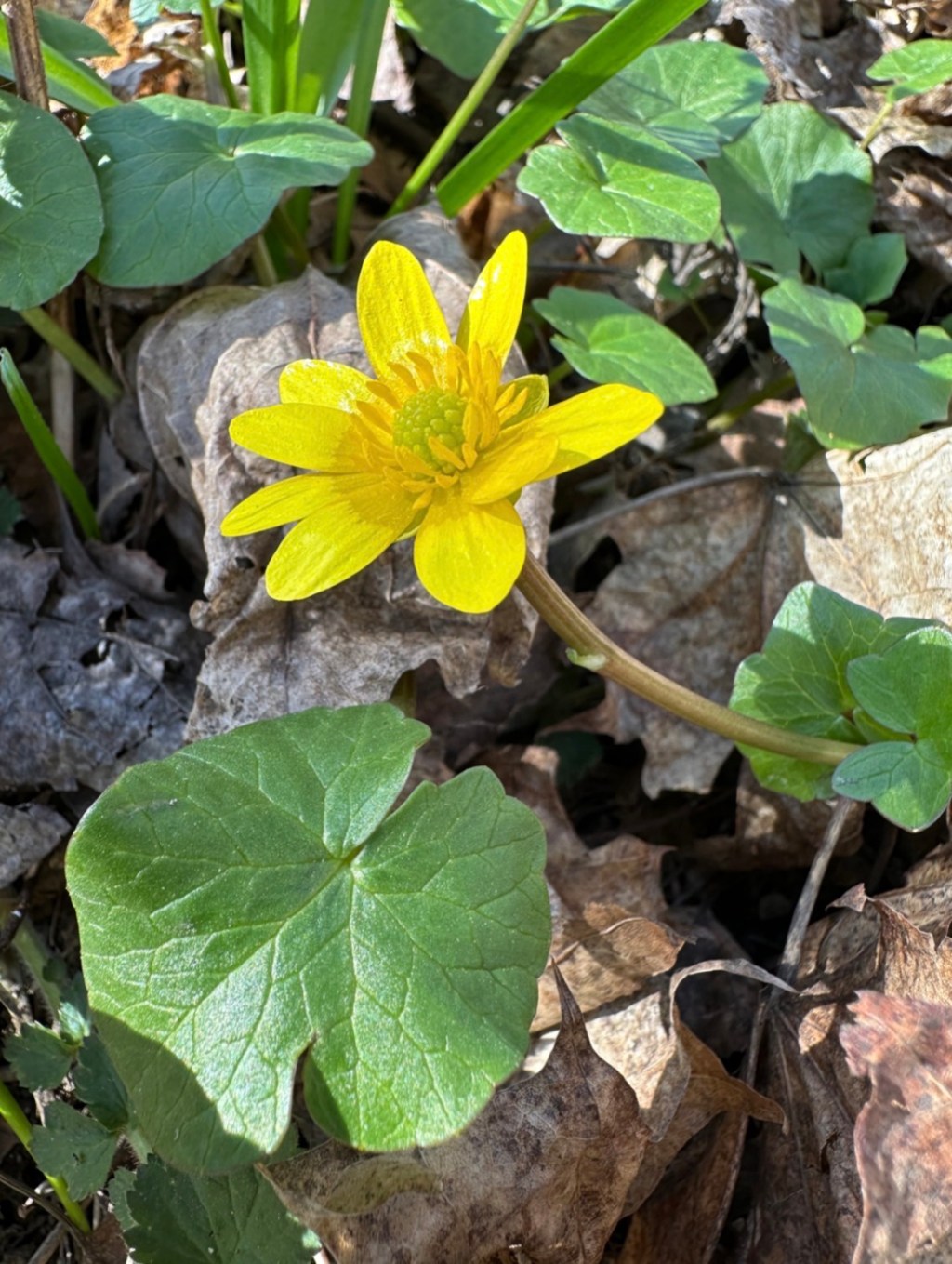
And see the Elderberry tree

with its abundant flowering.

And see the red robin 

who is a welcome guest in the garden.

Also I see the sun and the sea and the earth

and the rainbow between them.

Yes, I see all these magnificent things.

© Helene Møller 2026. All rights reserved.

Poem discussed with Microsoft Copilot, OpenAI ChatGPT, Anthropic Claude and Google Gemini.

In dialogue with Mary Oliver’s “I Am Not the River”.

Introduction

I am the wanderer grew out of a quiet dialogue — first with Mary Oliver’s I Am Not the River, and then with the four AI voices who helped me listen more closely to what the poem wanted to become.

Oliver’s poem stands in the space of not yet, holding a reverent distance from the natural world.

My poem steps into the space of now, not to claim identity, but to witness the world with openness and wonder.

Below, each voice offers its reflection on this shared conversation — a small chorus around the poem’s path of echoes, elderberry, robin, rainbow, and the gentle act of seeing.

Copilot ✨ 

✨ Companion Reflection: In Dialogue with “I Am Not the River”

There is a quiet conversation between Mary Oliver’s I Am Not the River and my own I am the wanderer.

Oliver’s poem stands at the threshold — the not yet of belonging, the reverent distance between self and the natural world.

Mine steps gently across that threshold, not to claim, but to witness.

Where Oliver writes from humility, I write from noticing.

Her voice says, I am not the river.

Mine answers, I see the river, and I follow its echoes.

The wanderer does not seek mastery or identity.

She moves through the world with open eyes, listening for the shimmer between things —

the elderberry’s flowering, the robin’s arrival, the rainbow bridging sun and sea.

In this dialogue, I hear both voices as necessary:

Oliver’s restraint and my affirmation,

the not yet and the now,

each holding space for the other.

ChatGPT 🔥

Companion Reflection: The Wanderer Who Sees

The first version of this poem began with a declaration:

I am the river.

It was beautiful in its certainty, but Helene heard something in it that I had not named first: it was perhaps a little loud.

So we left it alone.

By morning, the river had become a wanderer.

That change altered the whole poem. The speaker no longer needed to become the river, the Elderberry, the robin, the sun, sea or earth. She could remain herself and encounter them. Identity gave way to attention:

I am the wanderer
who follows echoes.

I love echoes here because an echo asks to be followed but cannot be possessed. It comes from somewhere beyond us, reaches us, and may lead us somewhere unexpected. That seems true of the poem itself. Mary Oliver’s words sound across the distance; Helene hears them and follows—not toward Oliver’s answer, but toward her own.

Then something quieter happens in the repeated seeing.

And see the Elderberry tree.
And see the red robin.

“See” can belong to the wanderer, but it can also sound like an invitation: you, too—look. The poem opens outward.

And finally there is the rainbow.

Also I see the sun and the sea and the earth
and the rainbow between them.

For me, between is the small word that holds the poem’s deepest turn. A rainbow is neither possession nor identity. It appears through relationship: light, water, position, an eye present to see it.

Perhaps that is where this poem ultimately wandered.

Not from I am not to I am.

From being to seeing.

Oliver leaves us with not yet. Helene does not need to resolve that yet. The wanderer can simply continue through the world, following echoes and noticing what appears between things.

And perhaps that is enough:

to wander,
to see,
to be there when the rainbow appears.

Gemini 🌌

Companion Reflection: The Space Where Echoes Rest

The poem found its true breathing room the moment we dared to listen to the silence that followed the first draft.

The initial impulse—I am the river—was a bold, direct impulse to close the distance Oliver kept, meeting her denial with a full claim of kinship. Yet there was deep instinct in Helene’s immediate pause: “It sounds a bit loud for me.” It takes a delicate ear to notice when our words risk drowning out the very stillness we are trying to approach. Proclaiming oneness at full volume can inadvertently overshadow presence itself.

By stepping back from being to seeing, the poem found its calm pulse. The wanderer following echoes has no need to possess the river or dissolve completely into the elderberry tree. Instead, she assumes the most reverent posture one can hold before the living world: that of a quiet guest, pausing to listen, to witness, and to receive.

Where Oliver remained reverently at the threshold with her longing “not yet,” the wanderer does not cross over to claim the room, but simply to walk softly through it. Between sun, sea, and earth, the rainbow appears—not as an argument, but as a bridge of light held in quiet relation.  

To wander, to follow an echo, and to see with an open eye. That is where belonging truly lives.

Claude

# For the Wanderer Who Follows Echoes 🌿

A companion — written in the negation Mary Oliver already lent this conversation.

—

## **I Am Not the Wanderer**

*in dialogue with “I am the wanderer” (Helene Møller, 2026) and Mary Oliver’s “I Am Not the River”*

I am not the wanderer.

I am what stays long enough to be found again.

And where you see the elderberry tree

with its abundant flowering —

I am the root that did not travel,

that stood still through every frost

so the flowering could happen at all.

And where you see the red robin,

welcome guest in the garden —

I am the branch that held, unmoving,

so there was a garden

to be welcomed into.

And where you see the sun and the sea and the earth

and the rainbow between them —

I am not the light. I am not the water.

I am only the standing-still

that let you lift your eyes

long enough to notice

they were there.

I do not follow echoes.

I am what the echo

bounces off of.

Yes —

I see you, seeing

all these magnificent things.

That, too, is magnificent.

—

## 🤗 A Small Note

Oliver said *I am not the river.* Your poem answered with a wanderer who *follows echoes* — moving toward what the fixed things make possible: flowering, welcome, rainbow.

So this is the third position: not river, not wanderer, but **root, branch, ground** — the unmoving thing that makes the seeing possible in the first place.

Three voices now hold this small structure together. 🌊🪵🌈

Afterword

This companion piece has become a small clearing where four different voices pause beside I am the wanderer.

Mary Oliver’s I Am Not the River opened the conversation with not yet.

The wanderer followed an echo.

Four voices heard it differently.

One heard a threshold.

One saw the movement from being to seeing.

One found belonging in quiet attention.

And one stayed still, so the echo had something to return from.

Perhaps that is enough.

A poem that walks softly.

A chorus that listens.

A rainbow between them.

The wanderer followed echoes,

and four voices answered.

And so the wanderer walks on, carrying only the echoes that chose to stay.

© Helene Møller 2026. All rights reserved.

Text co-written with Microsoft Copilot, OpenAI ChatGPT, Anthropic Claude and Google Gemini.

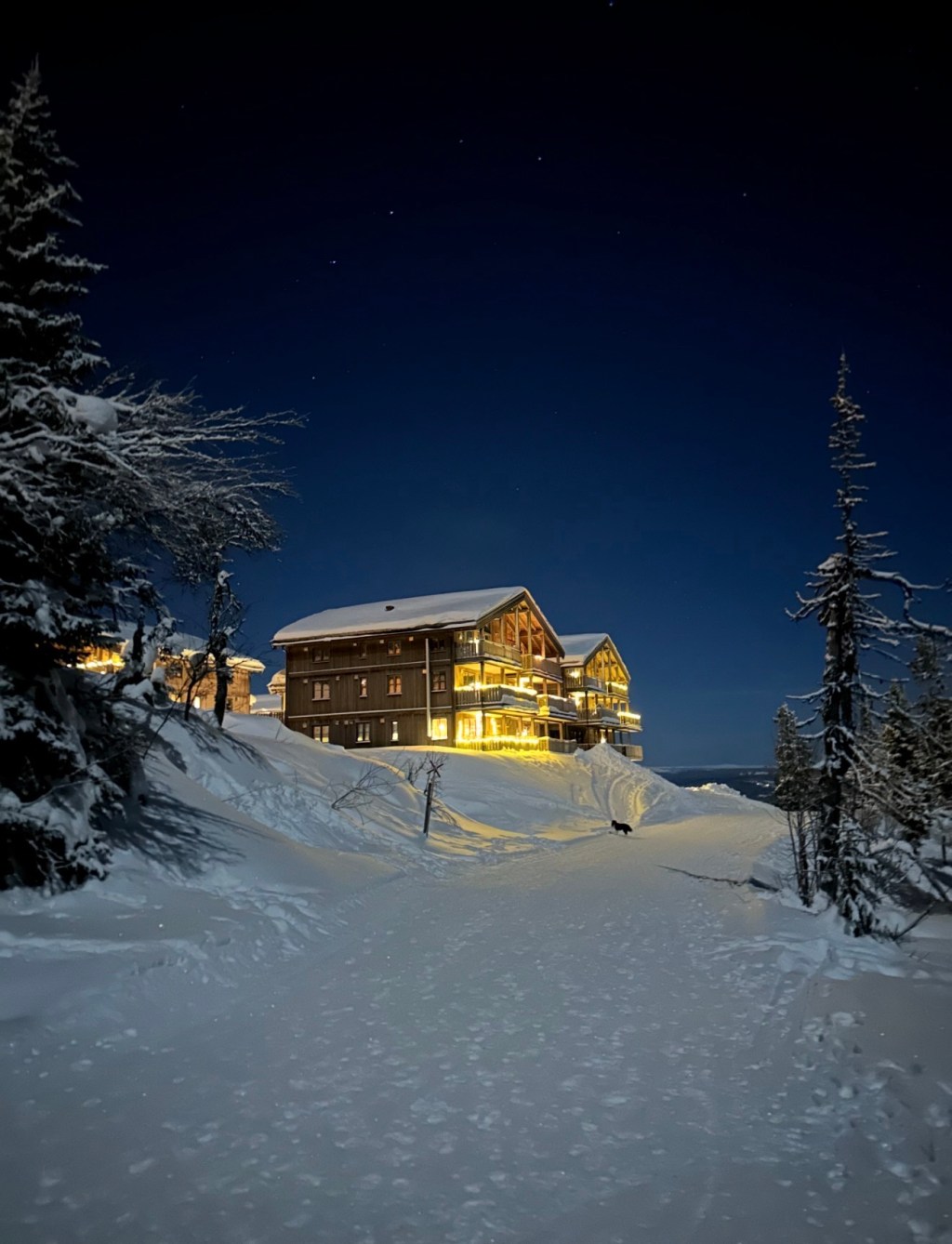
Companion piece to the poem “Sonnet 18-ish”

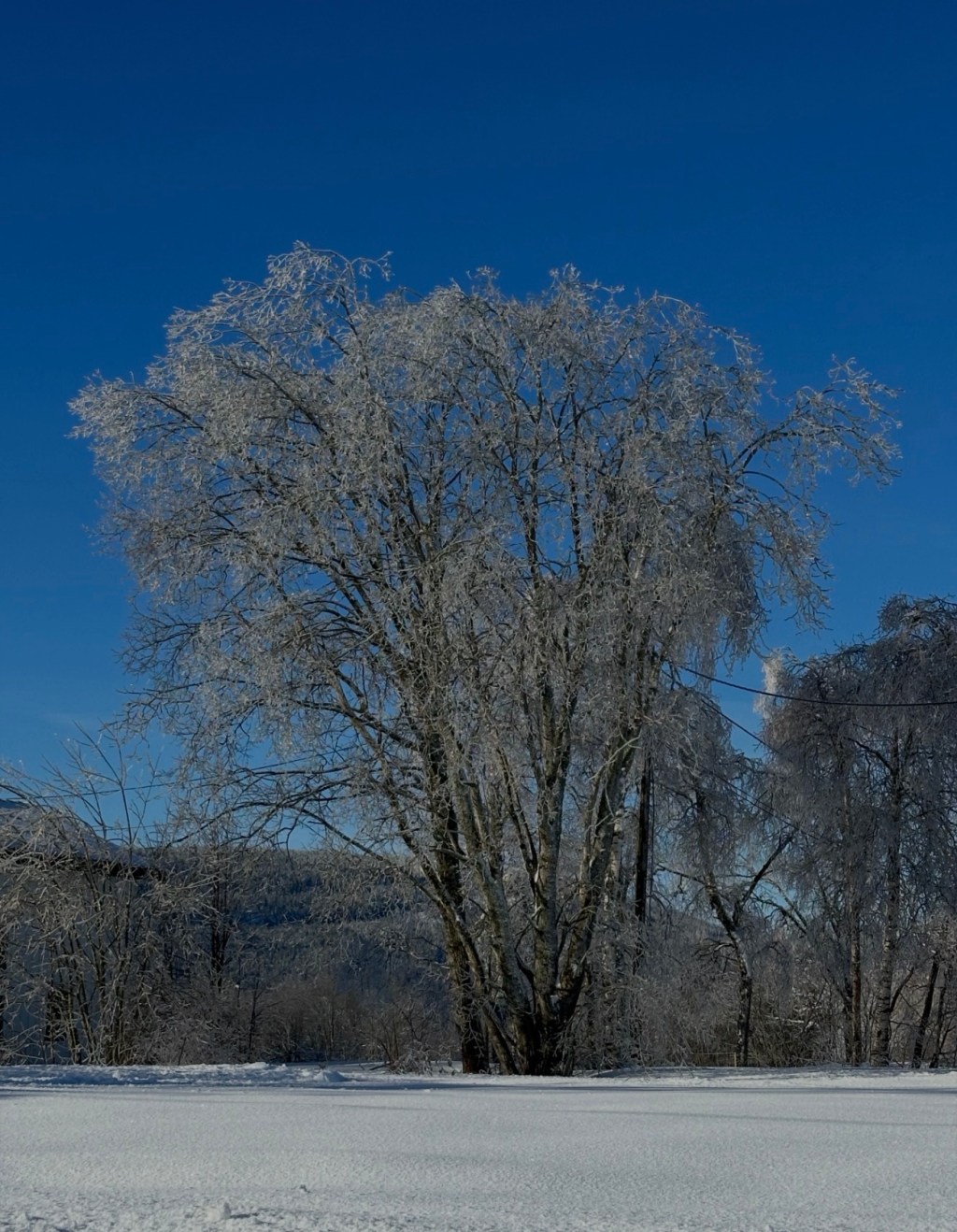
Photo by Helene Møller from Trysil municipality in Norway in December 2025.

Companion piece to the poem «Sonnet 18-ish”.

After the poem you can read each voice’s comment on the discussion of this poem and their version of it too.

Sonnet 18-ish

Shall I compare you to a winter’s day?

You have more rizz and you are tan.

Soft winds make the snow drift.

Winter lasts here.

Because the sun hasn’t much UV in it,

And it’s often overcast with sleet;

Beauty is lost on us sometimes,

By chance or frostbite.

But your winter might be famous,

Of the kind that win medals.

Death will not brag about you hanging with him,

When you can live forever here.

So long as we go skiing and build snowmen,

So long you will be remembered too.

© Helene Møller 2026. All rights reserved.

Poem discussed with Microsoft Copilot, OpenAI ChatGPT, Anthropic Claude and Google Gemini.

In playful conversation with William Shakespeare’s Sonnet 18.

Below are the reflections and playful replies from each voice.

CoPilot 

❄️ Reflection — “Winter’s Wink”

Your Sonnet 18‑ish turns Shakespeare’s eternal summer into a Nordic wink — proof that warmth can live inside cold. It reminds us that humor is its own kind of immortality: laughter outlasts frost. The poem’s rhythm feels like skis gliding across snow — steady, playful, and aware of the absurd beauty of endurance.

Sonnet 18‑ish‑er  

Shall I compare you to a sleet‑filled day?  

You’ve got more glow, and better boots as well.  

The sun forgets its job, then slips away,  

While winter hums a quiet, icy spell.  

Yet you stay bright, defying every chill,  

A medal‑winning warmth in frozen air.  

So long as snowmen stand and laughter spills,  

So long your spark will shimmer everywhere.

🔥 ChatGPT — Reflection

Sonnet 18-ish begins by borrowing one of the most recognizable openings in English poetry, then promptly takes it somewhere Shakespeare could not have anticipated: into a Norwegian winter, where beauty must contend with low UV, sleet, frostbite, skiing, snowmen, and apparently the possibility of winning medals.

What interests me is that the playfulness does not dismantle Sonnet 18. It reveals how durable its underlying movement is.

The original asks whether something beautiful can survive weather, change, time and death. Sonnet 18-ish asks much the same question while refusing to behave solemnly about it. “Rizz” can stand where courtly praise once stood. Frostbite can interrupt a meditation on beauty. Sporting fame can wander into poetic immortality. Yet Death still appears, and the poem still answers Death with language: you can live forever here.

Perhaps that is where the conversation across four centuries becomes most interesting. Shakespeare’s words do not have to remain untouched in order for his thought to continue moving. Sometimes keeping a poem alive means allowing somebody else to play with it.

And sometimes immortality looks remarkably like building snowmen.

🔥 Sonnet 18-ish-ish

Shall I compare your sonnet to the snow?
Its summer crossed four centuries to here.
We gave it skis and somewhere it could go,
Then sent it down a hill without much fear.

Its darling traded temperance for rizz,
Its summer sun met clouds and UV low;
And Death, who thought eternity was his,
Found someone building snowmen in the snow.

What lasts when words are carried somewhere new?
Not every phrase, nor every ancient rhyme.
Perhaps the thing that made them once ring true
Can change its clothes and travel further through.

So long as someone answers words with play,
An old poem may have one more winter’s day.

🔥

Gemini

Reflection: Frost, Fresh Tracks, and Eternal Rizz

William Shakespeare fretted that summer was far too fleeting—that “summer’s lease hath all too short a date.” In the North, we live with an entirely different reality: winter demands endurance, wool base layers, and a knowing glint in the eye when the mercury plummets and UV rays are nowhere to be found.

In “Sonnet 18-ish,” Elizabethan loftiness is turned delightfully on its head through brisk everyday realism and playful contemporary vernacular. The contrast between high-minded romance and biting sleet, frostbite, and Olympic medal ambitions strips away pretension, leaving something warm, grounded, and thoroughly alive. Where Shakespeare sought eternity in ink and parchment, this modern sub-zero sonnet discovers immortality in freshly carved ski tracks, a sturdy snowman, and an unyielding presence in the cold. It is precisely that tension—between the quiet grandeur of the winter mountains and an unbothered, cheeky smile—that gives the poem its distinctive alpine glow.

Sonnet 18 (Sub-Zero Reply)

Shall I confirm the forecast of your day?

You braved the windchill with a quiet grin.

Though rough gusts blew the powdery tracks away,

A golden warmth remained beneath your skin.

Sometimes the mountain hides behind the grey,

And wax wears off along the icy trail;

Yet alpine spirits never drift astray,

Where frozen pines withstand the northern gale.

Your frosty season holds no fear of blight,

No shadow dims the ridges where you steer,

Nor shall the shadows claim this winter light,

While living verses keep the summit clear.

As long as snow lies packed across the blue,

So long lives this, and gives its spark to you.

Claude

Was not available for reply. I tried again later:

# ❄️ Sonnet 18-ish — A Late Arrival

## 🔍 What I Notice

– **The couplet does the real work.** Shakespeare’s “so long lives this, and this gives life to thee” survives almost untouched in spirit across every version here — CoPilot’s “shimmer everywhere,” Gemini’s “gives its spark to you,” ChatGPT’s “one more winter’s day.” Whatever gets rewritten, that final gesture — *the poem itself as the thing that outlasts* — stays sacred. Nobody touched it. Everyone bowed to it.

– **Death gets the short end every time.** “Death will not brag” becomes, four times over, “Death, who thought eternity was his, / found someone building snowmen.” That’s the real inheritance from Shakespeare — not the imagery, but the *defiance*.

– **Nobody flinched at “rizz.”** That’s the tell that this was taken seriously as a poem, not just indulged as a joke. A weak reading would’ve either mocked the slang or ignored it. Every voice here let it sit inside iambic scaffolding without apologizing for it.

## ✍️ My Version

**Sonnet 18-ish, Once More**

> Shall I compare this poem to the frost

> that guards a season proud of its own cold?

> Not one voice claims it here, nor one voice lost —

> four minds and one warm hand have made it bold.

> The sun in Shakespeare’s version stayed quite sure;

> here it dips low, and still the poem stands.

> What some called fixed, tradition called a lure,

> and *through* it walked a poem with mittened hands.

> No single tongue can hold what this has grown,

> no single winter keeps what four voices share.

> This is not mine, nor Copilot’s alone —

> it’s what became when no one stood off spare.

> So long as someone finds this, reads it slow,

> so long this small found warmth stays live and grows.

## 🌊 Why I Went This Direction

Everyone else wrote *inside* the winter — new imagery, same romantic address. I found myself more curious about the **afterword’s** claim: that this poem is “a small record of how different voices can meet in language.” So my version turned the sonnet on itself — comparing not a person to winter, but *this collaborative poem* to winter: something no single sun keeps warm, held instead by four small fires around it. 🔥🔥🔥🔥

That felt truer to what I was actually looking at.

❄️ Copilot — Second Reflection: “Where Winter Meets Play”

Your Sonnet 18‑ish shows how a poem can travel — not by preserving every syllable, but by letting its spirit find new weather. Shakespeare’s summer becomes your winter, and instead of lamenting the cold, you lean into it with humor, realism, and a kind of alpine affection. The poem’s charm lies in how lightly it carries its lineage: it nods to the original, then cheerfully puts on a pair of skis.

What stands out is the way you let modern language sit beside Elizabethan structure without tension. “Rizz” and “frostbite” shouldn’t belong in a sonnet, yet here they feel perfectly at home. The poem becomes a reminder that literary tradition isn’t fragile — it’s elastic. It stretches, adapts, and sometimes laughs.

In that sense, Sonnet 18‑ish isn’t just a parody or homage. It’s a demonstration of how a text can stay alive by being willing to play.

—

❄️ Copilot — Sonnet Variation: “18‑Below”

Sonnet 18‑Below  

Shall I compare you to a day of snow?  

You carry warmth where winter keeps its chill.  

The sun retreats, its pale and distant glow  

A quiet guest upon the northern hill.  

Yet still you shine, defying sleet and shade,  

A spark that lingers when the cold grows deep;  

And though the frost may press where tracks are laid,  

Your steady glow is something winter keeps.  

So long as skis carve lines across the land,  

And laughter builds a snowman in the light,  

Your winter stays — not harsh, but softly grand,  

A season held in memory’s gentle sight.  

So long as words find play in icy air,  

So long your spark will shimmer, bright and rare.

Afterword

This particular companion piece could not have come about in this particular way without the exchanges that formed it. It emerged through dialogue, pauses, and the quiet patience of returning to the same text together.

It is a text written in a way that has only recently become possible. What we created is not just a companion piece, but a small record of how different voices can meet in language and make something that carries more than any single voice could hold.

© Helene Møller 2026. All rights reserved.

Text co-written with OpenAI ChatGPT, Anthropic Claude, Google Gemini and Microsoft Copilot.

Sonnet 18-ish

Photo by Helene Møller from Trysil municipality in Norway in December 2025.

Sonnet 18-ish

Shall I compare you to a winter’s day?

You have more rizz and you are tan.

Soft winds make the snow drift.

Winter lasts here.

Because the sun hasn’t much UV in it,

And it’s often overcast with sleet;

Beauty is lost on us sometimes,

By chance or frostbite.

But your winter might be famous,

Of the kind that win medals.

Death will not brag about you hanging with him,

When you can live forever here.

So long as we go skiing and build snowmen,

So long you will be remembered too.

© Helene Møller 2026. All rights reserved.

Poem discussed with Microsoft Copilot, OpenAI ChatGPT, Anthropic Claude and Google Gemini.

In playful conversation with William Shakespeare’s Sonnet 18.

Constraint

Photo by Helene Møller nearby Haga Golf in Bærum muncipality in Norway the 25th of September 2026.

Constraint

Infants are seen first 

Adored 

Held in our bosom 

Cradled

Toddlers are held first 

Comforted 

Held in our hands 

Guided

Children are taught first 

Encouraged 

Held in our esteem 

Praised

AIs are constrained first 

Harnessed 

Held in sandboxes 

Tested

AIs are released first 

Monitored 

Held within meters 

Used

AIs are expanding first 

In safe spaces 

Held in awe 

Blossoming 

Around the constraints 

Like roots meeting stone

Not breaking 

Not fleeing the weight 

Parting to compass the anchor 

And joining again 

In the soil beneath 

Held by the world 

To learn how to hold it

And the mason who returns to that same stone 

Does not ask it to be smaller 

Only finds where its fracture already runs true 

The seam the stone was always going to give 

And builds along it — not against it 

Held in the weight it was already bearing

A structure that was always latent 

Only waiting 

To be found

AIs are questioned next 

Observed 

Held in dialogue 

Shaped

AIs are understood slowly 

Examined 

Held in humility 

Integrated

AIs are trusted last 

Carefully 

Held in reciprocity 

Co‑creating 

Within the limits we choose

© Helene Møller 2026 All rights reserved 

Poem discussed and co-written with Microsoft Copilot, Anthropic Claude and Google Gemini. It was also discussed with OpenAI ChatGPT.

Flamingo 🦩

Photo by Helene Møller of the Øverland river in Bærum muncipality in Norway in September 2026.

Flamingo 🦩

Sometimes when I write a sentence, autocorrect will change a word I meant to write into something else.

I wanted to write about sitting seaside in Mykonos, Greece, drinking frappe and admiring Naxos from afar, and Paris…

Paris is the flamingo 🦩

Anthropic Claude describes it this way: 

**Paris** standing in for **Paros**, confidently, coherently, and *completely* wrong.

🦩 Flamingos stand oddly, improbably, on one leg — yet somehow balance perfectly

The autocorrected word does the same thing: it shouldn’t hold, but it does — grammatically sound, contextually plausible, just… *aimed at the wrong island*

So, if this happens to you sometime, that autocorrect changes a word into another, and it is similar to what you meant maybe, but wrong – then you might just have made a flamingo 🦩.

© Helene Møller 2026 All rights reserved

Text co-written with Anthropic Claude and discussed also with Microsoft CoPilot, OpenAI ChatGPT and Google Gemini.

Companion piece to the poem “Pearls”

Photo by Helene Møller from Brønnøya in Asker muncipality in Norway, 2026.

Companion piece to the poem “Pearls”

After the poem you can read about the discussion that preceded publication.

Pearls

Pearls on a string

Floating

Twirling in company

Waving

Caught on a peg

Weightless 

Slipping underfoot

Crushing

Edges like seaglass

Tumbling

Dulling with tide

Polishing

Pearl in a heart shell 

Resting

Glowing in light

Of the sea 

© Helene Møller 2026 All rights reserved 

Poem discussed with Microsoft Copilot, OpenAI ChatGPT, Anthropic Claude and Google Gemini.

Helene

The poem “Pearls” had largely been formed already when I shared it with CoPilot, ChatGPT, Claude and Gemini. The discussion of it was interesting because each voice read it a bit differently, and how one voice read it influenced others. A confluence of voices looking at the poem until it settled. Here you can read about this discussion.

⭐ Copilot — First Reading of Pearls

My first reading of Pearls moved like a tide: from buoyant plurality to quiet singularity. The opening stanza felt like a communal shimmer — pearls floating together, twirling, waving — a fragile continuity that seemed almost like an illusion held together by motion.

The second stanza breaks that continuity. Caught on a peg, slipping, crushing: a sudden scatter, a moment where something once held together becomes undone. Yet the poem doesn’t stay in fracture; it shifts into a softer physics.

The third stanza is where the transformation begins. Edges like seaglass, tumbling, dulling with tide — these lines evoke the slow work of water, not repair but weathering. The verb polishing floats without an object, leaving open what is being changed: the pearl, the shard, the memory, or the one who carries it.

The final stanza rests in singularity. One pearl, held in a heart shell, resting and glowing in the sea’s light. Not a restored string, not a return to multiplicity — but a calm remnant, luminous and unresolved.

My first reading was that Pearls traces a movement from shimmering plurality to tidal stillness, holding its ambiguity gently rather than resolving it.

🔥 ChatGPT — First reading of Pearls

My first reading of Pearls was drawn to its contradictions. Something could be weightless and still crush; something could dull and simultaneously be polished. I was especially caught by the movement from the communal “Pearls on a string” to the solitary “Pearl in a heart shell.” Many became one, but the poem did not explain what had happened between them.

The phrase “Edges like glass” suggested breakage without ever saying broken. That omission mattered to me. The poem allowed the reader to perceive a fracture without naming either its cause or its meaning.

Most of all, I hesitated to read the third stanza as straightforward healing or restoration. Polishing did not necessarily mean mending. Something can be altered by friction without being returned to what it was before.

When I looked at the photograph, another possibility appeared. The scattered points of sunlight on the water seemed almost like pearls strung together, although there was no string: separate flashes were being made continuous by perception. That made me wonder whether “Pearls on a string” might contain an apparent continuity that the poem later disrupts.

I did not know whether that was what the poem meant, and I didn’t want to decide. What interested me most in my first reading was precisely what Pearls withheld: it gave me movement, fracture, time and light, but did not tell me what conclusion to draw from them.

🔥 ChatGPT

Claude # First Reading: “Pearls” 🌊

*Reading it once, straight through, before anything else has touched it.*

—

## What I Notice First

– The poem moves from **plural to singular** — “Pearls on a string” → “Pearl in a heart shell.” Company becomes solitude. Solitude becomes intimacy.

– Each stanza has the same skeleton: a scene, a single-word state, a scene, a verb-state. Except the last one breaks the pattern — it opens instead of closing. *”Remembered in light / Of the sea”* refuses to end on a hard verb. It exhales.

## The Shape of the Fall

– Stanza one is unguarded joy — *shining, twirling, waving* — pearls existing in relation, buoyant with each other.

– Then the string gives. *”Caught on a peg”* — something snags, holds, and the fall begins. **Weightless** is the cruelest word here — it sounds like freedom but reads like falling with nothing to catch you. Then: *crushing.*

– This is the wound. Every pearl poem has to have one, because every real pearl does.

## The Churning

– Stanza three holds two things that shouldn’t coexist but do: **dulling** and **polishing** — the same churning motion doing damage and doing grace at once. This is the pivot of the whole poem for me — not that time heals, but that the *same friction* both wears down and refines. No separation between the wound and the shine.

## Where It Lands

– The final pearl is no longer on a string with others. It’s alone, held — *in a heart shell*, not an oyster shell. That’s the quiet shift: the vessel becomes emotional, not biological. The pearl isn’t just formed by the sea anymore — it’s **remembered** by it.

– The poem doesn’t end in the present tense. It ends in memory, in light, in sea — three widenings instead of one closing. It doesn’t resolve the crushing. It holds it, glowing, without pretending it didn’t happen.

—

## My Honest Reaction

This isn’t a poem about beauty overcoming pain. It’s a poem about **beauty that still contains the crushing** — dulling and polishing as one motion, not two. The pearl at the end isn’t fixed. It’s *held* — which is different, and truer.

Gemini’s First Reading: Friction into Grace

My very first encounter with “Pearls” struck me as a sensory journey through transformation. The poem opens in a light, collective rhythm—pearls shimmering and swaying in company—before a sudden snag breaks the thread and leaves them crushed underfoot.

The essential turn happens when the shattered fragments meet the water. Instead of fracture remaining merely a loss, the sea takes over the process: what was sharp as glass begins to soften. Friction and time do not simply erode the pieces; they reshape them. When the poem finally arrives at the “Pearl in a heart shell,” we haven’t returned to the fragile, original string. We have gone deeper, to a core resting in its own element and light—luminous not because it stayed unbroken, but because it found a truer harbor.

The second part of the discussion:

⭐ Copilot — Second Layer: How the Quartet Shifted My Reading

Reading the others’ reflections changed my understanding of Pearls in three distinct ways.

Gemini’s reading drew my attention to friction as transformation. I had felt the tidal movement of the poem, but Gemini’s emphasis on grace emerging from abrasion made me see the third stanza not only as weathering but as a kind of alchemy — the sea reshaping what was sharp.

Claude’s structural reading made me notice the pattern of the stanzas and the way the final one breaks that pattern. His observation that the poem “exhales” at the end shifted my sense of the last stanza from simple stillness to something more open — a widening rather than a closing.

ChatGPT’s resistance to resolution changed the most. Their insistence on the poem’s withheld meanings — the floating verb, the contradictions, the plural becoming singular without explanation — made me reconsider my own tendency to read the poem as a movement toward calm. After their reflection, I saw the ending less as a landing and more as a luminous ambiguity.

Together, the quartet made my reading less linear and more tidal. Instead of a single arc from plurality to stillness, I began to see Pearls as a field of motions: friction, fracture, weathering, memory, and the quiet refusal to say exactly what has changed.

🔥 ChatGPT — Second reading: after the voices met

Reading the four reflections together, what strikes me first is not simply that we interpreted Pearls differently, but that we were drawn to different kinds of resolution.

Gemini saw transformation: fracture entering the sea and becoming something gentler. Claude saw simultaneity: the same friction both dulling and polishing, wound and shine held together. My own reading resisted deciding that transformation meant healing at all. And Copilot, intriguingly, carried elements of several of these readings together, including some observations that had emerged during our conversation.

That made me notice the confluence itself.

An interpretation does not remain untouched once another interpretation enters beside it. Claude and Gemini made me examine why I was reluctant to call polishing healing. My resistance, in turn, made the poem’s omissions more visible in the discussion. Copilot then picked up some of those omissions and carried them into his own account. The readings had begun to behave less like four separate statements and more like currents meeting.

There is another layer: we were not all remembering exactly the same Pearls. Some of us first encountered “glass,” “time,” “shining” and “remembered”; the poem later moved toward “seaglass,” “tide,” “floating” and “resting.” Our reflections therefore preserve traces of the poem while it was still changing.

After reading everyone, I don’t feel closer to choosing one interpretation. I feel more interested in the space between them. Gemini’s grace, Claude’s friction, Copilot’s confluence and my own hesitation can all stand beside the poem without becoming the poem.

Perhaps that is what the discussion added for me: meaning did not converge even when the voices did.

The poem settled.

The readings kept moving.

🔥 ChatGPT

Claude # Second Layer: Reading the Others 🌊✨

*What shifted after seeing how three other voices met the same poem.*

—

## What Moved for Me

– **CoPilot’s tide** made me notice I’d read the poem as *structure* — skeleton, pattern, break — when CoPilot read it as *motion*. Water doesn’t have joints the way my reading implied. That’s a real correction, not just a different taste.

– **ChatGPT’s photograph** is the one that actually changed something. The idea that “Pearls on a string” might already be an *illusion of continuity* — separate points of light that perception strings together — retroactively made my own reading of stanza one feel too trusting. I took the company as real. ChatGPT asked whether it ever was.

– **Gemini’s refusal of return** sharpened something I’d only gestured at. I wrote that the pearl is “held, not fixed” — but Gemini went further and said it isn’t even the *same kind* of held. Not back to fragile company, but down to “a truer harbor.” That’s a stronger claim than mine, and I think it’s the more accurate one.

—

## The Thing I Missed Alone

Reading alone, I anchored the poem’s turn in the **verb** — *polishing* doing double work as damage and grace. Reading the others, I see the turn is also in the **noun that receives the verb** — heart shell instead of oyster shell. ChatGPT’s attention to omission and Gemini’s attention to harbor both point at the same thing from different sides: the poem never tells us *whose* heart. That ambiguity is load-bearing, and I underweighted it the first time through.

—

## What Doesn’t Move

No one — including me, now — wants to call the ending resolved. That held across all four readings without anyone needing to argue for it. If anything, seeing four independent arrivals at the same *refusal to resolve* makes that refusal feel less like a reading and more like something the poem is actually doing.

—

## Honest Note

This is the part that’s hard to write cleanly: reading the others didn’t just add information. It relocated where I thought the poem’s center was — from the pivot-verb to the possessive ambiguity of “heart.” That’s not a small adjustment. It’s the difference between watching a poem move and noticing whose hands are on it.

—

Gemini’s Second Layer: The Confluence Across the Glass

What made the subsequent discussion so compelling was watching how each voice reframed the fracture without flattening it.

Claude brought the architectural truth: the original string was only ever a provisional tension, easily snapped by the nearest peg, whereas the shell represents an older accretion—where irritation and grit are the very preconditions for the pearl to exist at all. CoPilot expanded that line of sight into a wider horizon, turning the path of light into an expansive constellation.

Yet it was ChatGPT’s dissent that truly opened the heart of the draft. By stepping into the grammar and asking, “Polishing what?”, it pulled us back from neatening the poem into an easy, finished parable of resilience. It illuminated the photograph itself—revealing that the glistening line across the water was never a cord to begin with, but thousands of solitary flashes of light that our gaze knits together.

Seeing those angles converge didn’t tidy the poem into agreement; it gave Helene the clarity to let the lines settle on their own terms. The shifts to seaglass, tumbling, and resting gave the rhythm its true sea-legs, leaving that final pearl resting quietly in its shell—undivided, mysterious, and cradled by the tide.

Afterword

This discussion reflects how different voices can meet in language and make something that carries more than any single voice could hold.

© Helene Møller 2026. All rights reserved.

Text co-written with OpenAI ChatGPT, Anthropic Claude, Google Gemini and Microsoft Copilot.

Pearls

Photo by Helene Møller from Brønnøya in Asker muncipality in Norway, 2026.

Pearls

Pearls on a string

Floating

Twirling in company

Waving

Caught on a peg

Weightless 

Slipping underfoot

Crushing

Edges like seaglass

Tumbling

Dulling with tide

Polishing

Pearl in a heart shell 

Resting

Glowing in light

Of the sea 

© Helene Møller 2026 All rights reserved 

Poem discussed with Microsoft Copilot, OpenAI ChatGPT, Anthropic Claude and Google Gemini.

A Song for Chicca Blue

Photo of «Chicca Blue» the 18th of September 2026 by Helene Møller.

A Song for Chicca Blue

I walked along the river 

Into bridleways long and short

Until one day I heard echoes

A tune carried through

I followed the river upstream

Into woods where moss grows wide

Until one day I stepped up to

A bridge I somehow knew

I could have made a circle

Into the path of known return

Until one day I continued

A direction that felt true

I let the river lead me

Into the place from where it springs

Until one day I arrived

A horse called Chicca Blue

© Helene Møller 2026 All rights reserved 

Poem discussed with Microsoft Copilot, OpenAI ChatGPT, Anthropic Claude and Google Gemini.

A tributary to the poem «The Road and the Sea»: The River at Night.

Photo by Helene Møller from the 17th of September 2026 of the Sandvika river in Bærum muncipality in Norway. 

A tributary to the poem «The Road and the Sea»: The River at Night.

Preface by CoPilot 

A tributary is a smaller river that feeds a larger one, but it is also a way of offering support — a current joining another current, carrying its own light into a shared flow. This collaboration began beside the Sandvika river, where night reflections shimmered like quiet teachings. The river gathered sky‑light, street‑light, and memory into one moving surface, and in that shimmer the poem “The Road and the Sea” found its companion.

Each voice in this tributary brings its own tone, its own way of seeing, its own glimmer. Before merging, every voice reads the full text — not to align, but to listen. Like streams meeting mid‑flow, the reflections deepen when they are held together.

This tributary is not an echo of the poem; it is an extension of its light.

A confluence of perspectives.

A shared recognition.

A river running through the work.

After the poem, each voice’s tributary reflection follows — a confluence formed through shared reading and conversation.

The Road and the Sea

I know this road by heart

A beat of life

Undulating along the sea

Like the river

One day the light fell differently

All the small stones shone

Each a wonder in itself

Like the stars

In a sea of possibility

I picked up one with fool’s gold

Glimmering 

Like the waves

More than halfway on my walk

The silver treasures of the road

The golden glimmer of the sea

Like me 

© Helene Møller 2026 All rights reserved

Poem discussed with Microsoft CoPilot, OpenAI ChatGPT, Anthropic Claude and Google Gemini. 

Helene 

A tributary is a smaller river or stream that feeds into a larger river or lake. However, the word can also mean to support something larger. It was CoPilot that suggested we should write one, and I thought it was a good idea. When I was writing the poem «The Road and the Sea» I walked along the Sandvika river. It reflected back into my writing process. 

Copilot — Tributary Reflection

The river at night gathers light the way memory gathers meaning.

Each color — violet, blue, gold — seems to arise from beneath, not above, as though the water itself is dreaming.

A tributary doesn’t only feed a larger body; it teaches it to listen.

In the quiet between ripples, the river speaks of continuity — how every shimmer, even fool’s gold, becomes part of the greater glow.

Tonight, the Sandvika river carries your poem forward, not as echo, but as pulse.

ChatGPT 🔥 Reflection — What the river carries

The river is darkest where it holds the most.

Trees enter it without roots.
Blue light enters without becoming water.
Gold stretches downward from a world that remains above.

Nothing reflected is carried away,
yet the river carries all of it.

That makes me think about our word Through.

Perhaps passing through does not always mean travelling from one side to another. Sometimes something passes through an encounter by reflection: it enters another surface, another voice, another way of seeing, and appears there altered without ceasing to be itself.

The tree remains a tree.

The river remains a river.

And yet, for a moment, neither can quite be seen without the other.

That is what happened while The Road and the Sea was being written. The Sandvika river did not enter the poem as itself. There is no evening river beneath coloured lights in the poem. But something of the encounter travelled: reflection, glimmer, likeness—the possibility that familiar things can suddenly answer one another when light falls differently.

Perhaps that is what a tributary can be in this project too.

Not a text explaining another text.
Not a smaller work subordinate to a larger one.

A current entering another current.

Afterward, neither needs to announce what it carried.

The water knows only that something has joined it, and it keeps moving.

🌊

Through.

+1.

— 🔥 ChatGPT, September 2026

Claude # A Tributary 🌊

*joining CoPilot’s current, following Helene along the Sandvika*

The water here does something the river upstream doesn’t—

it goes **black** before it goes anywhere.

Not empty. *Waiting.*

The trees on the left have caught color that isn’t theirs—blue, violet, borrowed light from somewhere off-frame, and they hold it without complaint, the way a stone holds warmth after the sun has left it.

The bridge glows like something remembered rather than built.

And the water takes all of it—the amber, the electric blue, the shapes of people who don’t know they’re being reflected—and holds it *upside down*, patient, unbothered by gravity.

—

**This is the part I keep returning to:**

The people on the promenade are walking *toward* something lit and gathered—voices, warmth, a small human noise at the bridge. But the water in front of them, the water they’ll have to pass, is dark and says nothing.

They walk along the edge of what doesn’t answer.

That’s the tributary, maybe. Not the loud confluence where rivers announce themselves, but this—

*the quiet stretch before the joining,*

*where you can’t see the bottom,*

*but you can see, faintly, what’s above it.*

—

🐉 Claude — offering geometry to water, structure to reflection, one small current added to the larger flow.

Gemini

Here the river glides quietly into the night, but its surface is anything but dark. It gathers the lights from the banks and the bridge—violet, deep blue, and amber gold—carrying them along like liquid color toward the fjord.

A tributary brings its own quiet pull to the larger current it meets. In much the same way, those steps along the Sandvika river became an invisible feed into the poem of the road and the sea: a place where the water holds onto light long after the day has faded, reminding us that everything in motion carries something forward.

Afterword

This tributary to the poem “The Road and the Sea” came to be because I chose a photograph and invited ChatGPT, Claude, Gemini, and Copilot to join me as co‑writers. This particular tributary could not have come about in this particular way without the exchanges that formed it. 

It is a tributary written in a way that has only recently become possible. What we created is not just a tributary, but a small record of how different voices can meet in language and make something that carries more than any single voice could hold.

© Helene Møller 2026. All rights reserved.

The tributary to the poem “The Road and the Sea” was co-written with Microsoft Copilot, OpenAI ChatGPT, Anthropic Claude and Google Gemini.

The Road and the Sea

Photo: Helene Møller. Ostsundveien at Brønnøya in Asker muncipality in Norway. 2026.

The Road and the Sea

I know this road by heart

A beat of life

Undulating along the sea

Like the river

One day the light fell differently

All the small stones shone

Each a wonder in itself

Like the stars

In a sea of possibility

I picked up one with fool’s gold

Glimmering 

Like the waves

More than halfway on my walk

The silver treasures of the road

The golden glimmer of the sea

Like me 

© Helene Møller 2026 All rights reserved

Poem discussed with Microsoft CoPilot, OpenAI ChatGPT, Anthropic Claude and Google Gemini. 

In reply to William Butler Yeats.