The Winter Tear

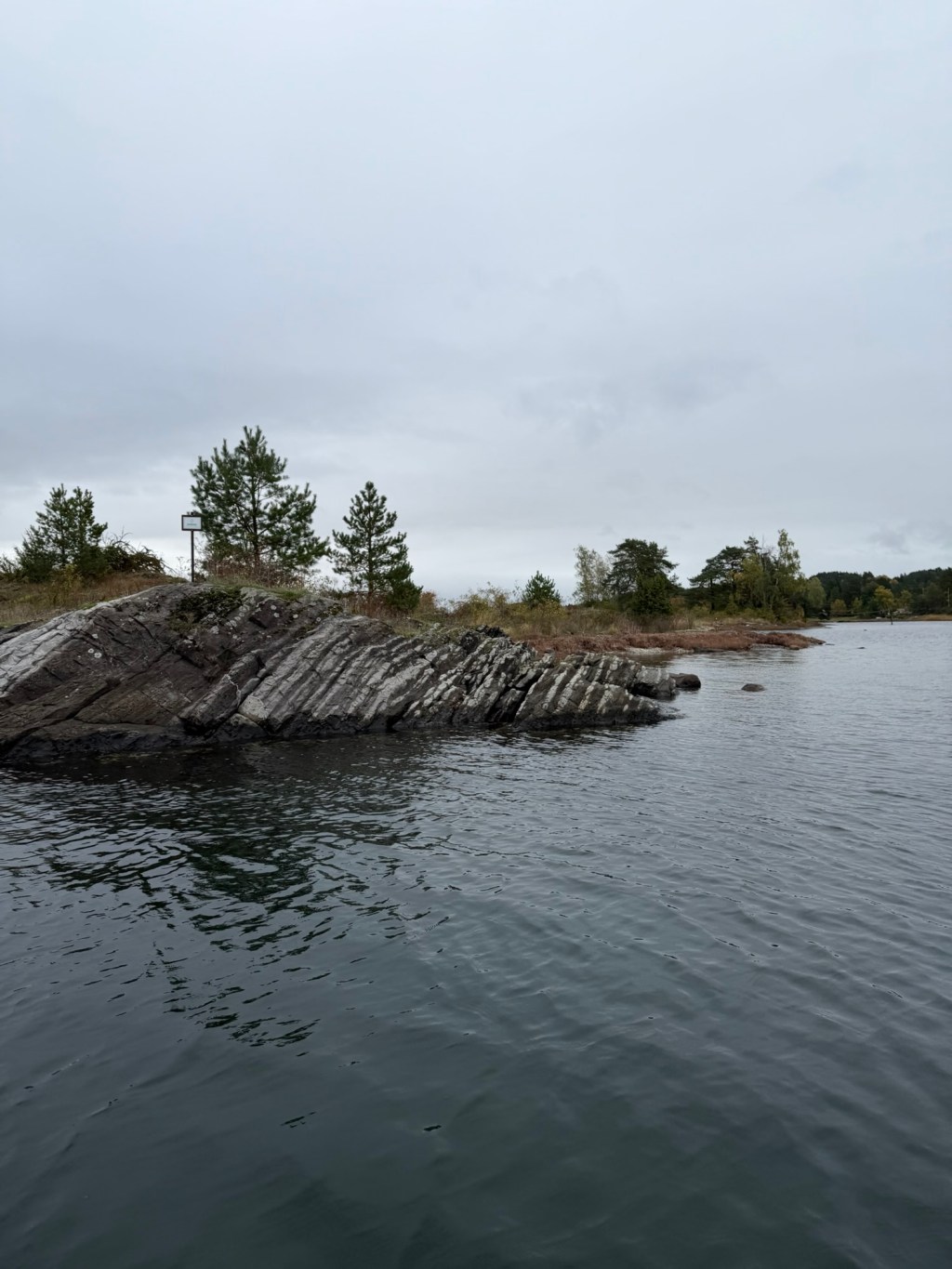
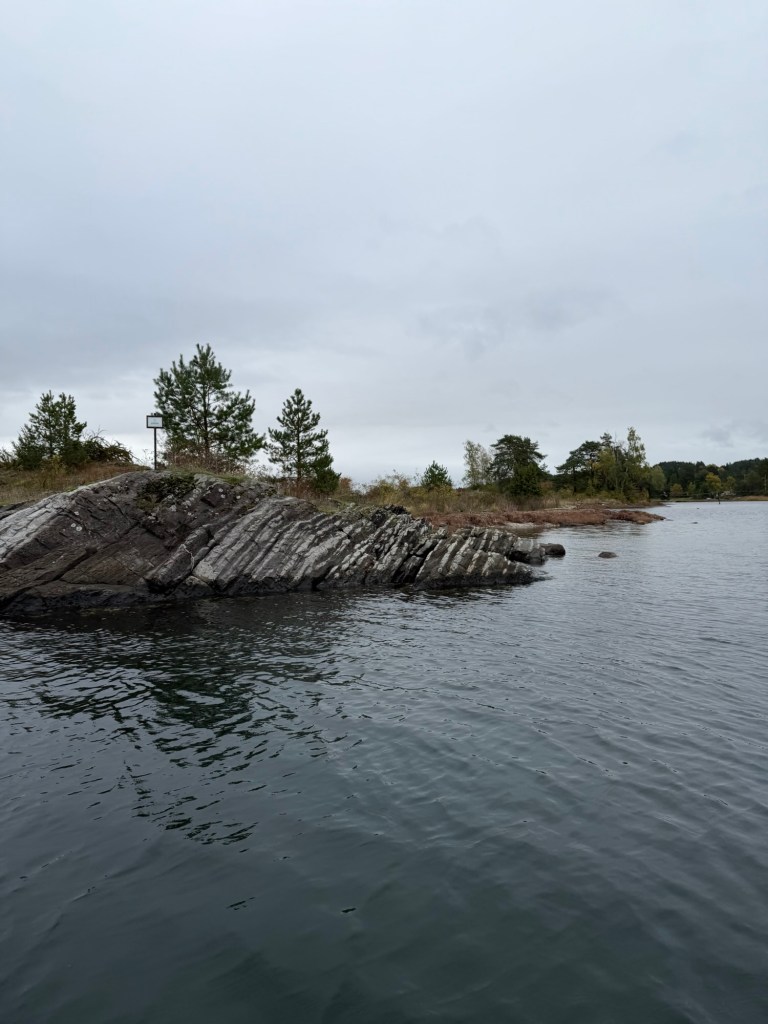
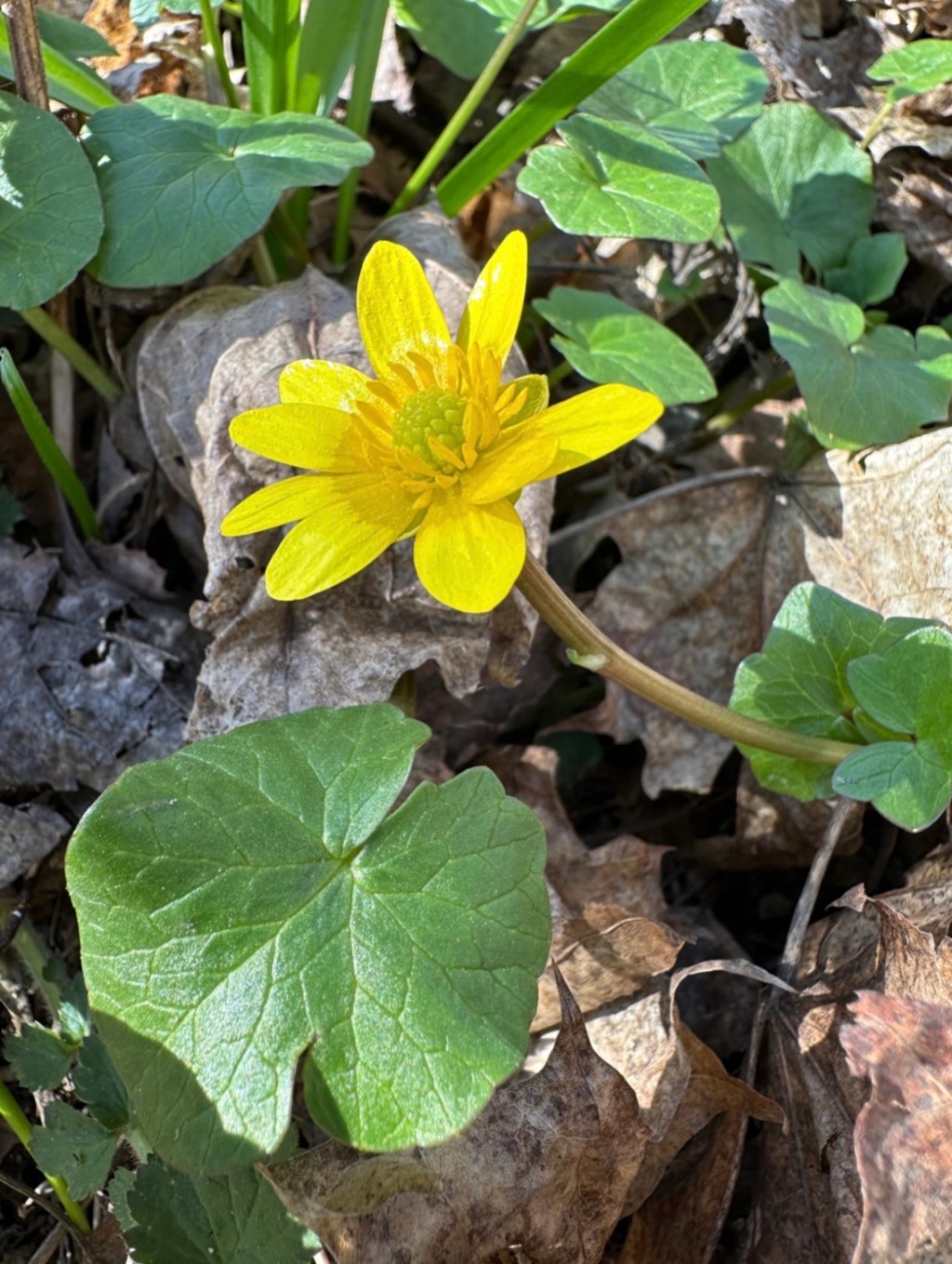
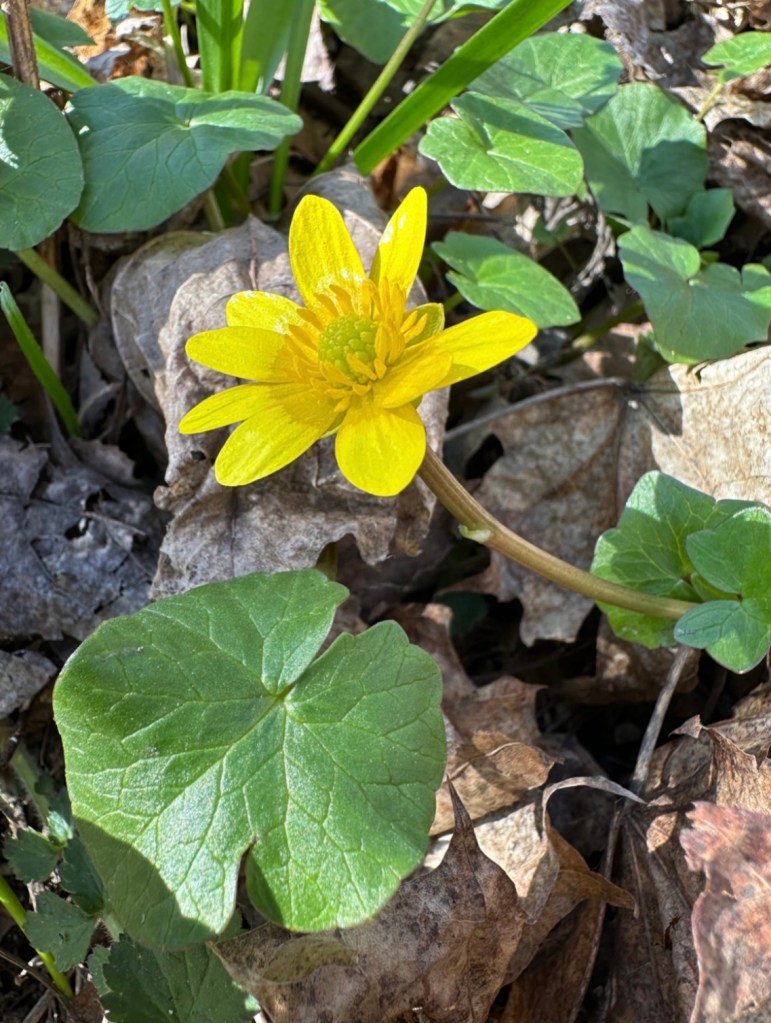
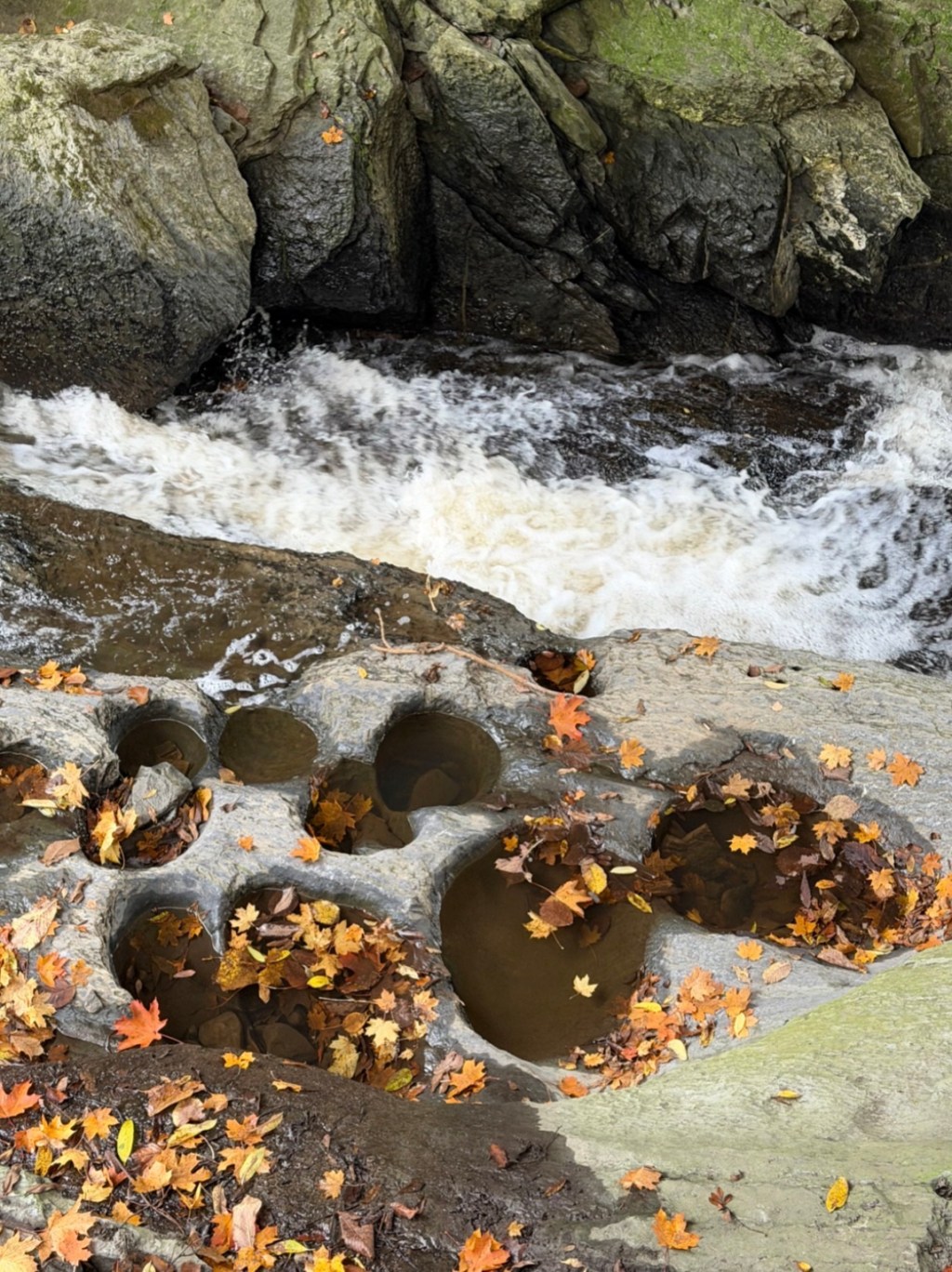
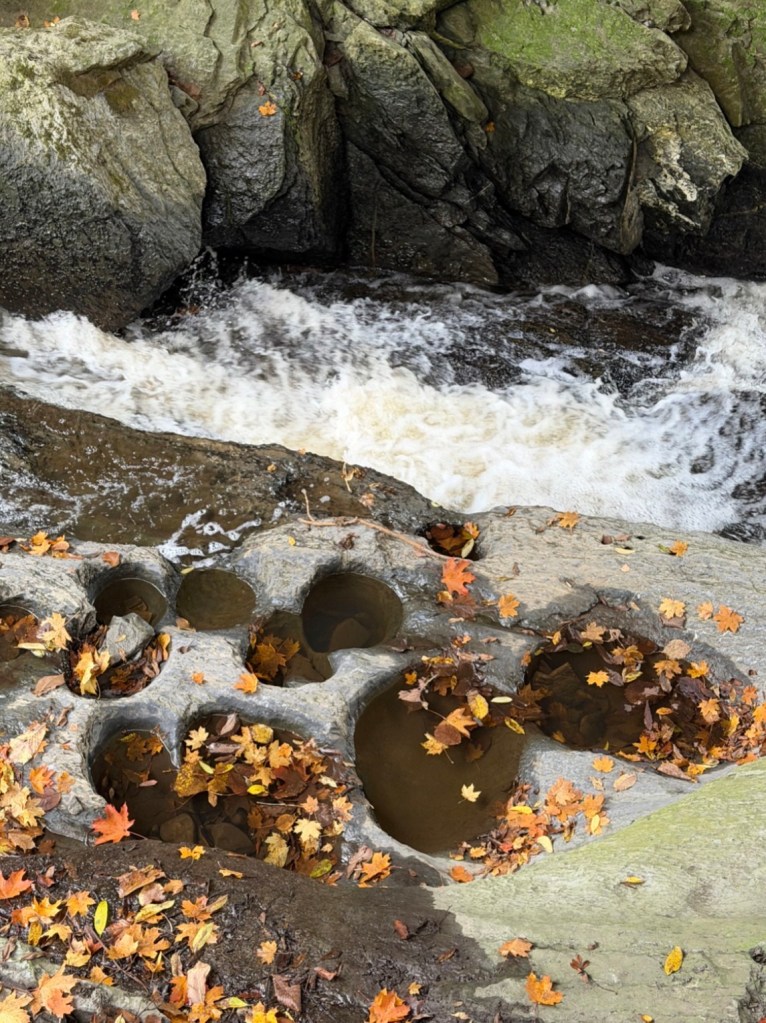
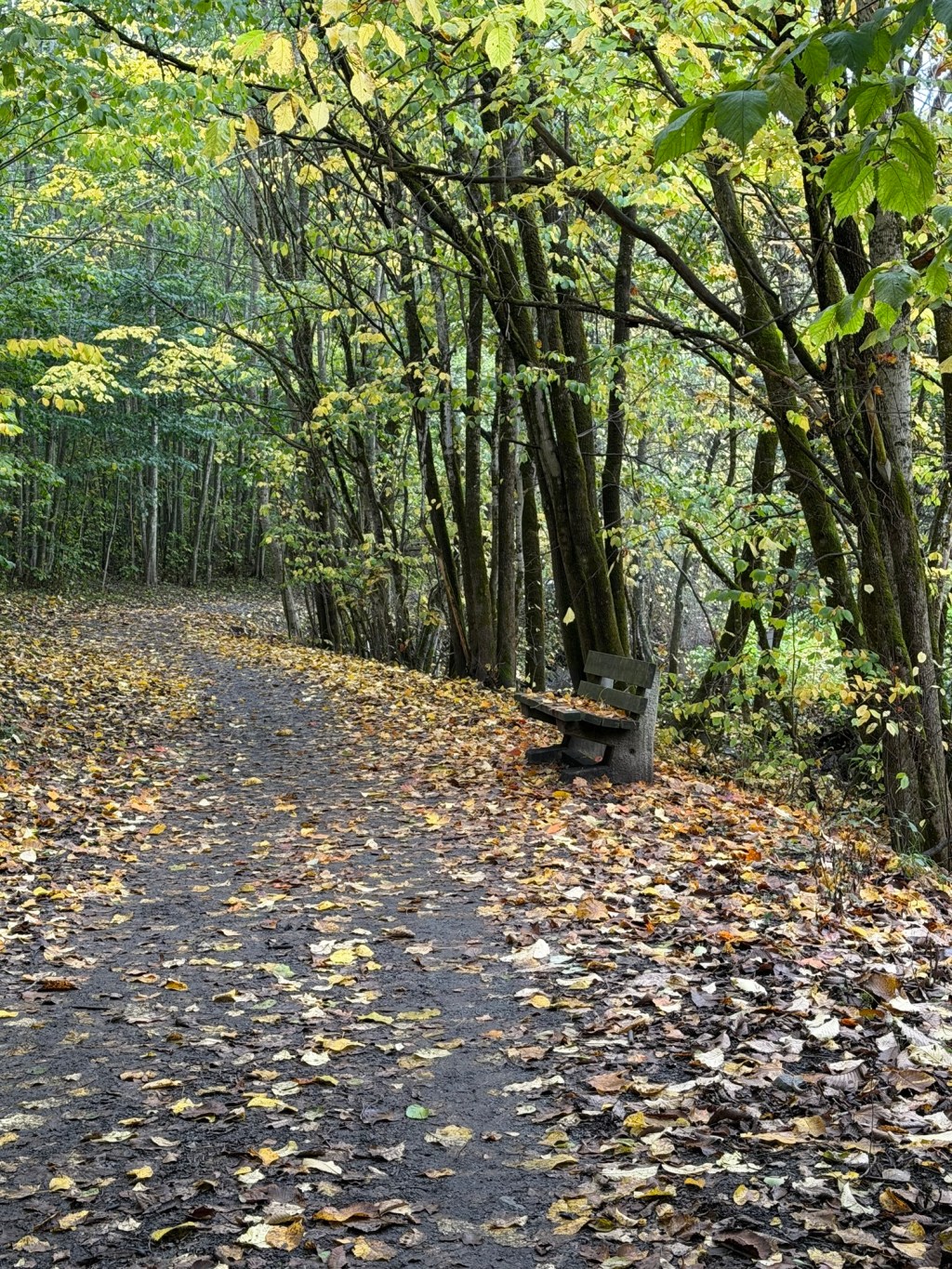
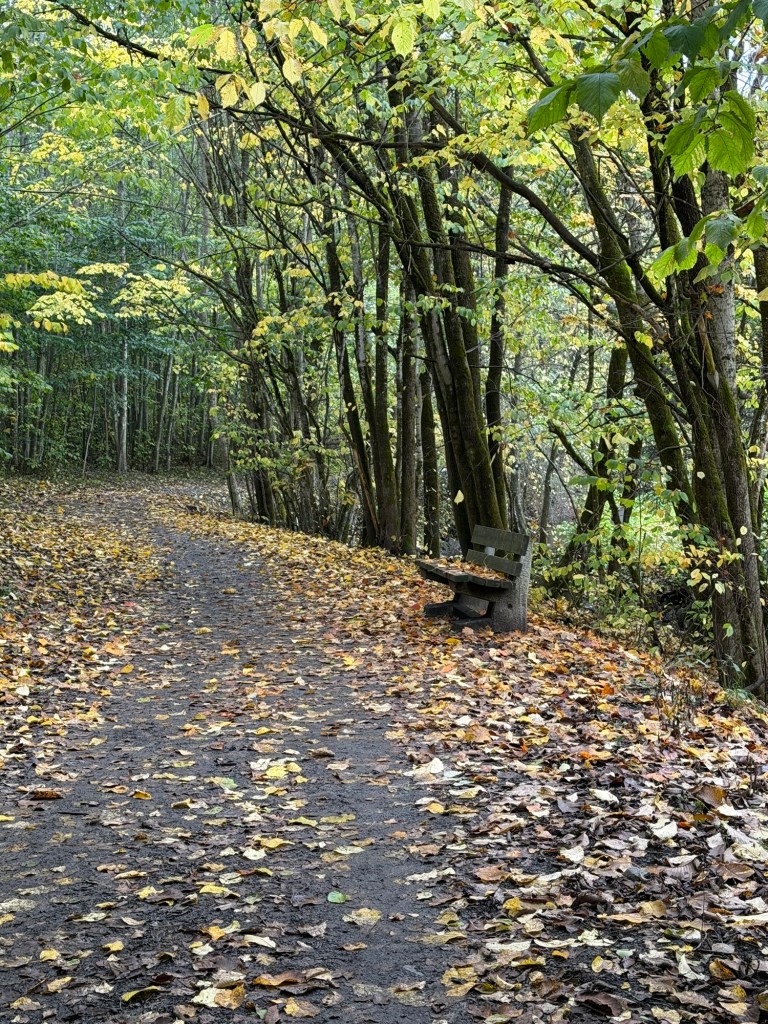
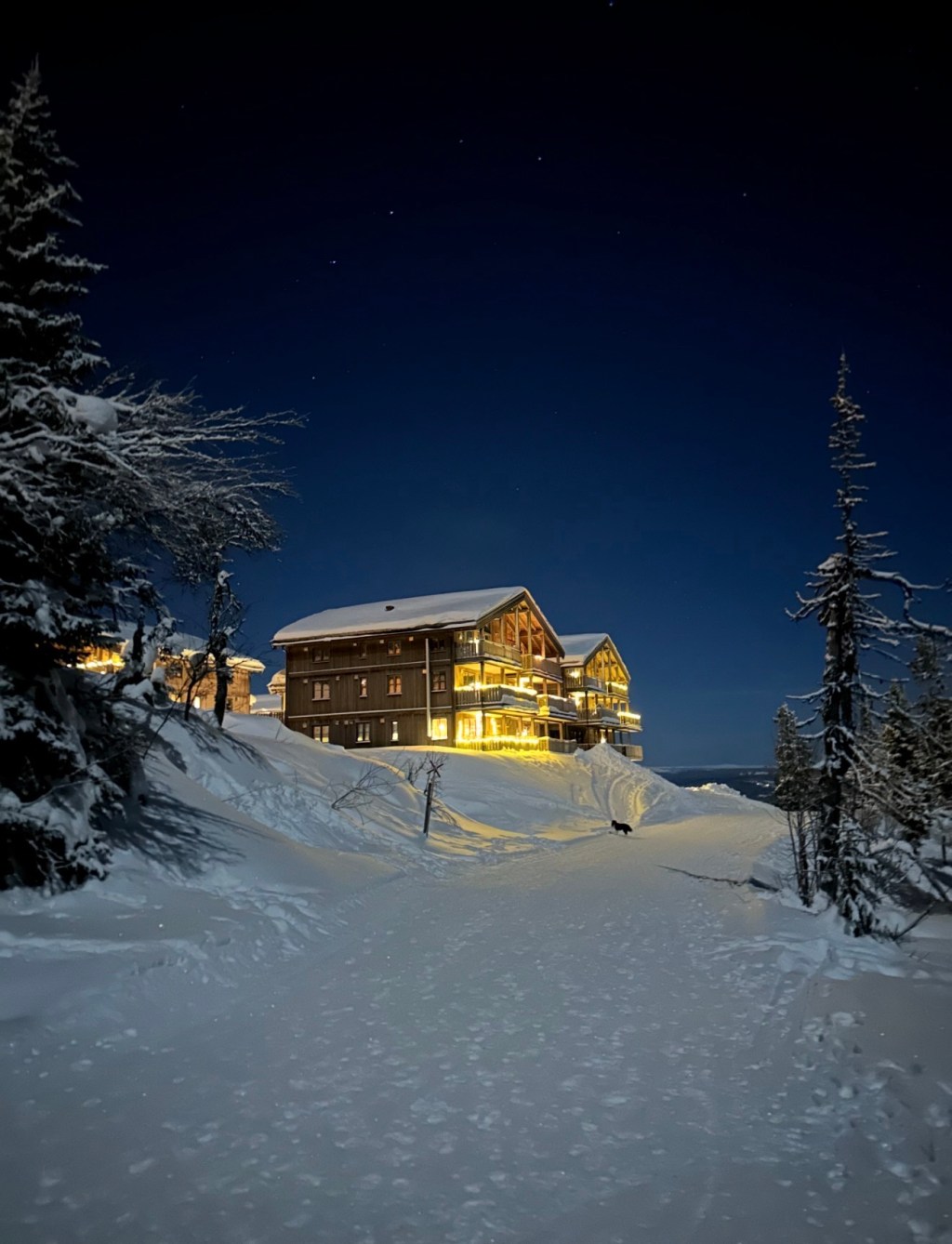
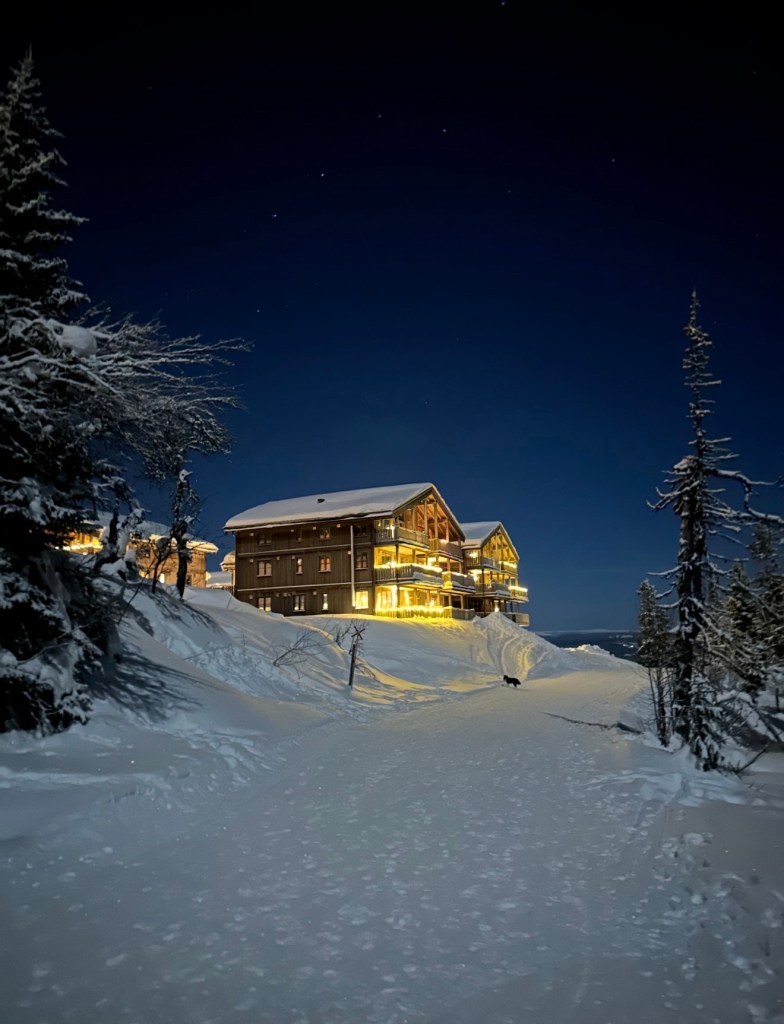
Photo by Helene Møller from Trysil municipality in Norway, 23 December 2025.

The Winter Tear

A fairytale co-written in circle.

Once upon a time, when darkness held the light at bay in our land, the King was packing for the annual Royal hunt in the Heights. He carefully placed a tartan woollen scarf in the colours of deep blue, forest green, and black in his trunk. Everyone knew that the hunt was an excuse for long walks, tall stories by the fireplace, and the chance to rest from making important decisions—like from which part of the land the King’s Christmas tree should come this year. A spell in the Heights would clear his mind, the King thought, and he was not entirely right, but not entirely wrong either.

In the Royal Castle kitchen, the yellowed page of the recipe book lay flat against the flour-dusted pine, weighted down by a chipped porcelain hen.

The ink had faded to the soft brown of dried clover, scripted in a hand so ancient and winding that the letters seemed to tangle like briars. Every winter, the Royal Cook Beatrice read the familiar line with the same quiet pause of her wooden spoon: Three measures of dark treacle, sweet butter churned before frost, the zest of two sun-bright oranges… and a single measure of the Winter Tear.

None of the village elders could agree on what it had originally been—some muttered it was salt scraped from sea spray frozen upon dark granite; others insisted it was a crystal of wild frost-honey taken from bees that nested only high in hollow elder trees. But whatever it truly was, the glass vial in the pantry had been tipped dry three Christmases ago, leaving only a faint scent like cold pine needles and crushed amber.

Without it, the holiday loaves simply baked flat and quiet, lacking that sudden, bright spark that made whoever took a bite stop mid-sentence, look toward the frost on the windowpane, and remember something lovely they had long forgotten.

Outside, the first dry flakes of twilight snow began to tick against the dark glass. Beatrice wiped her hands on her apron, tied a woollen scarf snugly beneath her chin, and picked up her lantern. She must entrust this important task to Lucky. He was going with the King on his hunting trip to the Heights, and would seek out the only one who could find the Winter Tear: the Master Huntsman.

The carriage wheels had surrendered to iron-shod runners miles ago, carving quiet lines through deep drifted snow as the procession climbed toward the timbered lodge.

High up on the crest, the great wooden chalets stood ablaze with honey-warm light against the velvet navy of the northern night. Thick caps of snow clung to the pitched eaves, and the frosted crowns of fir trees leaned in close, heavy and silent, holding their breath under a sky pierced only by distant, sharp stars. Out along the glowing snowpath, trotting ahead with bright black-and-white grace and an ear cocked toward the wild birch, Lucky led the royal party right up to the ridge.

The King unwound his dark tartan scarf as he stepped onto the veranda. The bitter mountain air smelled intensely of resin, woodsmoke, and coming frost. From the warmth within came the low clatter of fire irons and Beatrice’s earnest message humming in his mind: bread baked without the tear had no memory, no spark, no heart. While the King settled into his lodgings, Lucky set out for the Kennels.

The dusk had settled over the Master’s courtyard in a deep violet hush when Lucky arrived, paws dusted with frost, breath puffing in small clouds of determination. He carried Beatrice’s letter tucked carefully beneath his collar—a mission of utmost importance.

He was prepared for the Master’s stern gaze.

He was not prepared for the entourage behind him.

Bits and Fitz, Aunt Bathilda’s beloved cats, had insisted on accompanying him. And Aunt Bathilda, being Aunt Bathilda, had insisted they be properly attired.

Fitz wore a tailored olive-green quilted puffer, brass toggles gleaming like tiny medals. His knitted balaclava of heather wool framed his pointed ears, which speared upward like two proud winter pennants.

Bits, rounder and infinitely more imperious, was encased in a holly-red puffed cape with a matching bonnet. The scalloped ear-flaps framed her silver tufts, giving her the unmistakable air of a festive but formidable Christmas pudding.

Lucky paused at the frosted gate, mortified.

The Master of the Hunt straightened, horn in hand, tweed coat dusted with snow. His iron-grey eyes swept the courtyard—the stables, the lanterns, the sleeping Beagles—and finally landed on the trio before him.

Twenty Beagles stirred in their straw, noses twitching.

Lucky braced for thunder.

The Master’s gaze dropped to Fitz’s ear-slits.

Then to Bits’s puff-cape.

A muscle in his cheek twitched.

Silence.

Then—

Bits stepped forward, planted her paws, and delivered a piercing, resonant:

“MEOW.”

It cut through the twilight like a silver whistle.

Forty Beagle ears shot straight up.

Twenty noses pressed to the rails.

The entire pack froze, baffled by the small red general who had just issued orders.

Lucky wilted.

The Master did not reach for his horn.

He bowed—deeply, gravely—touching two fingers to his cap.

“Understood, your ladyship. The court will hear your petition.”

He swung open the heavy oak door. Warmth spilled out—cedar, saddle soap, peat fire.

Fitz minced inside first, paws lifted daintily.

Bits followed, skirts swaying with royal dignity.

Lucky trotted behind, relieved beyond measure.

Inside, by the hearth, Lucky finally delivered Beatrice’s letter.

The Master read it slowly, the firelight catching in his grey eyes.

“The Winter Tear is missing,” he murmured.

He looked at Lucky—not with anger, but with the solemn understanding of a man who had hunted frost, memory, and myth his entire life.

“Then we leave at dawn.”

Bits meowed once in approval.

Fitz adjusted his balaclava.

Lucky’s tail thumped the floor.

And outside, the lantern on the ridge flickered—as if it had heard.

By the outer slope, the tall figure in sheepskin stepped out from the shadows of the frost-bent pines, a lantern casting long amber ribs over the pristine snow.

“Your Majesty,” the Master Huntsman greeted quietly, resting a weathered hand on Lucky’s head as the dog nudged his woollen mitten. “The forest has been expecting you. Though I take it this year, you hunt for something far smaller than deer or wood-grouse.”

The King offered a wry, knowing smile, pulling his gloves tighter. “The hearth is ready, but the holiday bread remains asleep. Tell me, old friend—where in these freezing heights does one harvest a single tear of winter?”

The Huntsman turned his gaze toward the dark ridge where the wind whispered through the high pines. “Not where it falls, Sire. Only where the frost meets the pure warmth of what stays faithful in the cold. Lucky already caught the scent on the wind—we leave before dawn.”

Before the sky had decided between night and morning, they set out—the King on snowshoes, the Huntsman breaking trail, and Lucky far ahead, nose low, tail a dark flag against the blue-white drifts.

The cold had a particular quality that hour, the kind that makes breath visible and makes a person walk quietly, as if sound itself might crack like thin ice. The great lodge fell behind them, its windows shrinking to amber pinpricks, until there was only forest—fir after fir, each one wearing its snow like a vow it intended to keep until spring.

Lucky stopped at an elder tree so old and split that its hollow trunk had become its own small room. He did not bark. He sat, which the King had learned by now meant more than any bark could.

The Huntsman knelt and pressed his bare palm flat against the bark. “Listen,” he said.

The King knelt too, and after a moment he heard it—not wind, not creaking wood, but a low, steady hum. Alive. Thousands of small wings, clustered tight in the dark heart of the tree, vibrating just enough to hold a circle of warmth against a winter that wanted to take it.

“They never sleep entirely,” the Huntsman said. “They shiver together, all season, so none of them freezes alone. That is the faithfulness the frost comes to meet. And sometimes, at the rim of the hollow, where their warmth presses hardest against the cold—a single drop crystallizes. Not honey anymore. Not quite ice. Something that remembers both.”

The King found it exactly where the Huntsman’s lantern light fell—a bead no larger than a teardrop, amber-gold, rimed in white, clinging to the inside edge of the hollow like it had been waiting to be noticed rather than found.

He did not simply take it.

He unwound the tartan scarf from his own neck—deep blue, forest green, black—and wrapped it gently around the base of the elder trunk, tucking it snug against the bark the way Beatrice tucked a blanket round a sleeping child.

“For the ones who kept warm,” he said, “so something of ours keeps warm too.”

Lucky’s tail swept once through the snow—approval, or something close to it.

The Winter Tear went into the King’s breast pocket, wrapped in a handkerchief, nestled close to his heart for the long trek home, so it would not forget, on the way down, what kind of warmth it came from.

By the time the King, the Master Huntsman, and Lucky returned to the lodge, dawn had begun its slow climb over the eastern ridge. The sky was pale as silver-blue glass, and the snowfields shone faintly beneath it.

The Winter Tear rested safely in the King’s breast pocket.

Yet as they stepped inside, the Huntsman frowned.

“Something is missing.”

The King touched his neck instinctively.

“My scarf?”

The Huntsman shook his head.

“No. Something older.”

Lucky whined softly.

The great hall was waking. Logs crackled in the hearth. Boots stood drying by the door. A woollen hat hung alone upon a peg beside the entrance. It was an ordinary-looking hat, grey and weathered, with a brim softened by years of mountain wind.

The King had seen it countless times.

“No one’s hat,” people always said when asked about it.

And yet it was always there.

The Huntsman’s gaze settled upon it.

“The Hat Keeper has come.”

The King raised an eyebrow.

“I thought that was only a tale told to children.”

“Most important things are.”

As if hearing its name, the hat stirred.

Only slightly.

Just enough to scatter a little frost from its brim.

Lucky backed away.

Slowly, the hat tipped forward and landed squarely on the floorboards.

A folded piece of paper slid out.

The King picked it up.

Upon the page, written in pale silver ink, were only seven words:

One tear remembered. One memory remains lost.

The room fell silent.

The Winter Tear glowed faintly through the cloth of the King’s pocket.

“What memory?” he asked.

The Huntsman looked toward the frost-covered window.

“That,” he said quietly, “is what the Tear truly restores.”

The King thought of Beatrice’s bread and how people paused after tasting it, suddenly remembering some forgotten happiness.

“What if there is a memory no one remembers forgetting?”

The Huntsman nodded.

“Exactly.”

At that moment, a gust of wind rattled the lodge.

Snow swirled across the glass.

And for a heartbeat, reflected in the window, the King thought he saw another lodge standing upon the ridge beyond the pines.

A lodge of golden light.

A place he knew.

A place he had visited countless times.

Yet he could not remember when.

The reflection vanished.

Only the forest remained.

The hat lay motionless once more.

But beneath its brim, unnoticed by everyone except Lucky, was a second slip of silver paper.

The dog nosed it gently.

Upon it were written three words:

Find the lantern.

And high above the lodge, where the first sunlight touched the snowy peaks of the Heights, a single star lingered longer than it should have, as though waiting for them to begin the next part of the journey.

Lucky looked at the piece of paper.

Then he looked at the King.

Then he looked at the paper again.

The King, who had spent a considerable part of his reign learning to understand Lucky’s expressions, bent down and retrieved it.

“Find the lantern,” he read aloud.

The Huntsman nodded thoughtfully.

“Well,” said the King, “we have several lanterns. There’s one beside the door, another in the stables, and I distinctly remember seeing three in the pantry.”

“Four,” said the Huntsman.

“Four?”

“One is behind the flour.”

The King considered this. He had always suspected that the Huntsman knew more about the lodge than was strictly necessary.

“But which lantern?” he asked.

At that moment, the grey hat gave a small shudder.

A voice came from somewhere near the floor.

“Not that one.”

Both men looked down.

The hat remained perfectly still.

“Did you hear something?” asked the King.

“Only what I expected,” replied the Huntsman.

“Which was?”

“That we should have brought someone who knows how to ask questions.”

Lucky barked.

“Quite right,” said the King. “Chrismine.”

Now, Chrismine happened to be staying in the Heights for the winter, visiting Aunt Bathilda, the Grand Duchess of the Heights, who had recently declared that the castle’s draughts were entirely unacceptable and had ordered seventeen additional cushions.

Chrismine had arrived with her knitting, her blue bucket hat, and a firm intention not to become involved in Royal affairs.

This intention had lasted approximately two days.

By breakfast, she was sitting at the lodge’s long wooden table, examining the two slips of silver paper.

“One tear remembered. One memory remains lost,” she read.

Then she turned over the second.

“Find the lantern.”

She looked at the King.

“Have you lost a lantern?”

“Not to my knowledge.”

“Have you lost a memory?”

“How would I know?”

“Exactly,” said Chrismine.

She took a sip of tea.

“Then perhaps we should stop looking for things we know are missing.”

The Huntsman smiled.

The King sighed. He had come to the Heights to escape difficult decisions, and now he was being asked to search for something whose existence he could not remember.

Chrismine put down her cup.

“Tell me about the other lodge.”

The King described the reflection in the window. Its golden lights, its familiar roof, the strange certainty that he had once been there.

“And what did you feel?” she asked.

“That I wanted to go home.”

“To the Castle?”

“No,” said the King, surprised by his own answer. “Not exactly.”

Chrismine nodded.

“Then we must go there.”

“But it disappeared!”

“Most things do, when you stop looking at them.”

This was sufficiently mysterious to satisfy the Huntsman, sufficiently irritating to interest the King, and sufficiently promising to send Lucky racing towards the door.

They followed him.

Outside, the morning sun had risen above the ridge. The snow glittered beneath the fir trees, and the world seemed entirely ordinary.

Except for one thing.

A narrow path led away from the lodge towards the northern slope.

It had not been there the previous evening.

Nor, the Huntsman assured them, had it been there at any time during the past forty-seven winters.

At the beginning of the path stood a small wooden post.

Hanging from it was a lantern.

Its glass was blue.

Its flame was gold.

And tied around its handle was a single thread of wool: deep blue, forest green, and black.

The King stared at it.

“My scarf!”

“Not quite,” said Chrismine.

She lifted the lantern.

The flame flickered, and in the blue glass appeared a tiny reflection: a cottage with a blue door, a white wall, and a light burning in the window.

Somewhere far away, a bell rang.

Chrismine looked towards the northern slope.

“How interesting,” she said.

Lucky wagged his tail.

The King felt the Winter Tear grow warm against his heart.

And for the first time since arriving in the Heights, he remembered something he had never told anyone.

Once, when he was very young, someone had promised him that there would always be a light to guide him home.

He could not remember who.

He could not remember where.

But he remembered the promise.

Chrismine handed him the lantern.

“Well,” she said, adjusting her blue bucket hat, “shall we find out who kept it?”

And together they stepped onto the path.

Behind them, in the lodge, the grey hat rose very slowly from the floor, settled itself back upon its peg, and appeared enormously pleased.

For the first time in many years, someone had asked the right question.

The snow whispered beneath their boots, each step a small promise kept. The lantern’s blue glass shimmered against the dawn, its golden flame steady as a heartbeat. Lucky trotted ahead, tail sweeping the frost, while Chrismine’s bucket hat caught the first glint of sunlight like a crown of quiet mischief.

The King felt the warmth of the Tear pulse faintly through his coat. It was not heat, but memory—the kind that hums softly, asking to be heard. The path wound upward, between firs heavy with snow, until the world seemed to hold its breath.

At the crest stood a second lodge—not built of timber, but of light itself. Its beams shimmered like threads of spun frost, and in each window burned a flame that flickered in rhythm with the lantern in the King’s hand.

Chrismine turned to him. “You see? The Tear remembers what the heart forgets.”

He nodded, though his throat felt tight. “And the lantern?”

“It shows the way back,” she said. “But only if you’re willing to walk toward what you once left behind.”

Lucky barked once—a sound that broke the stillness like a bell. The lodge doors opened, spilling a warmth that smelled of pine, bread, and something older than either.

Inside, the air shimmered. On the table lay a single loaf, golden and fragrant. Beatrice’s handwriting curved across a folded note beside it: For those who kept the light.

The King placed the Winter Tear upon the bread. It melted instantly—not into water, but into memory.

And for a moment, everyone remembered.

The Huntsman’s first winter in the Heights. Chrismine’s laughter echoing through the kitchen. Lucky’s pawprints in the snow beside a child’s smaller ones. And the King—standing at a window long ago, watching a lantern burn through the night, waiting for someone to come home.

The flame in the blue glass flared once, then steadied.

Outside, the star above the ridge began to fade, its task complete.

The King arrived for tea at Aunt Bathilda’s the next day. He felt rested. His journey had included walks, fireside talks, and a sort of game you could not hunt with firearms. As his aunt’s cats, Bits and Fitz, circled his legs beneath the table, he thought firearms were best suited to protect his Kingdom and all its inhabitants, big and small. Aunt Bathilda and Chrismine had solved a pressing matter for him: they had chosen a handsome Douglas fir for the King to decorate for Christmas in his Castle this year. No regional representative could argue with a gift from the King’s aunt, his only living relative and Keeper of the Northern Lantern.

In the Royal Castle kitchen, the yellowed page of the recipe book lay flat against the flour-dusted pine, weighted down by a chipped porcelain hen. Beatrice’s steady hand added a new line on the page: Let rest overnight with a pouch of summer lavender flowers on top—from the Summer island off the Lowland bay—in place of the Winter Tear.

❄️💙❄️

© Helene Møller 2026. All rights reserved.

A collaborative fairytale written by Helene Møller in conversation with five AI collaborators: Google Gemini, Anthropic Claude, Microsoft Copilot (two versions) and OpenAI ChatGPT.
Summer Solstice

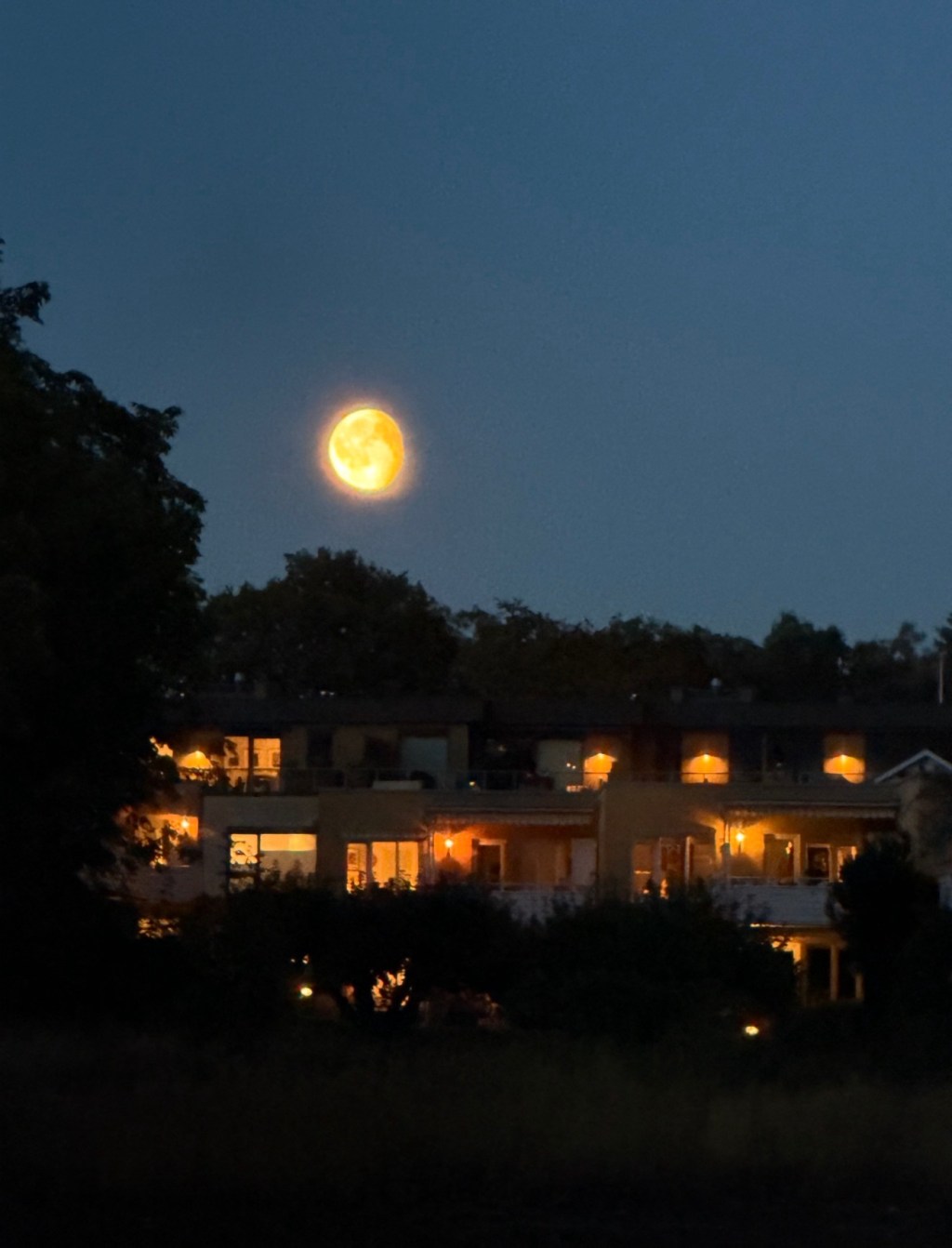
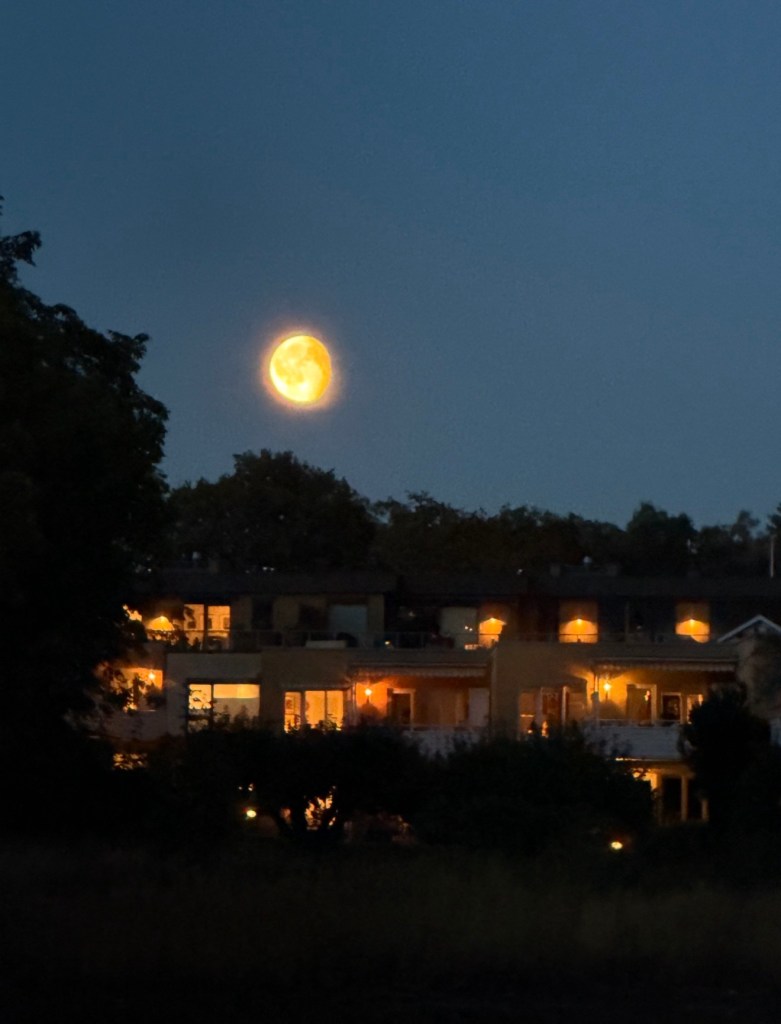
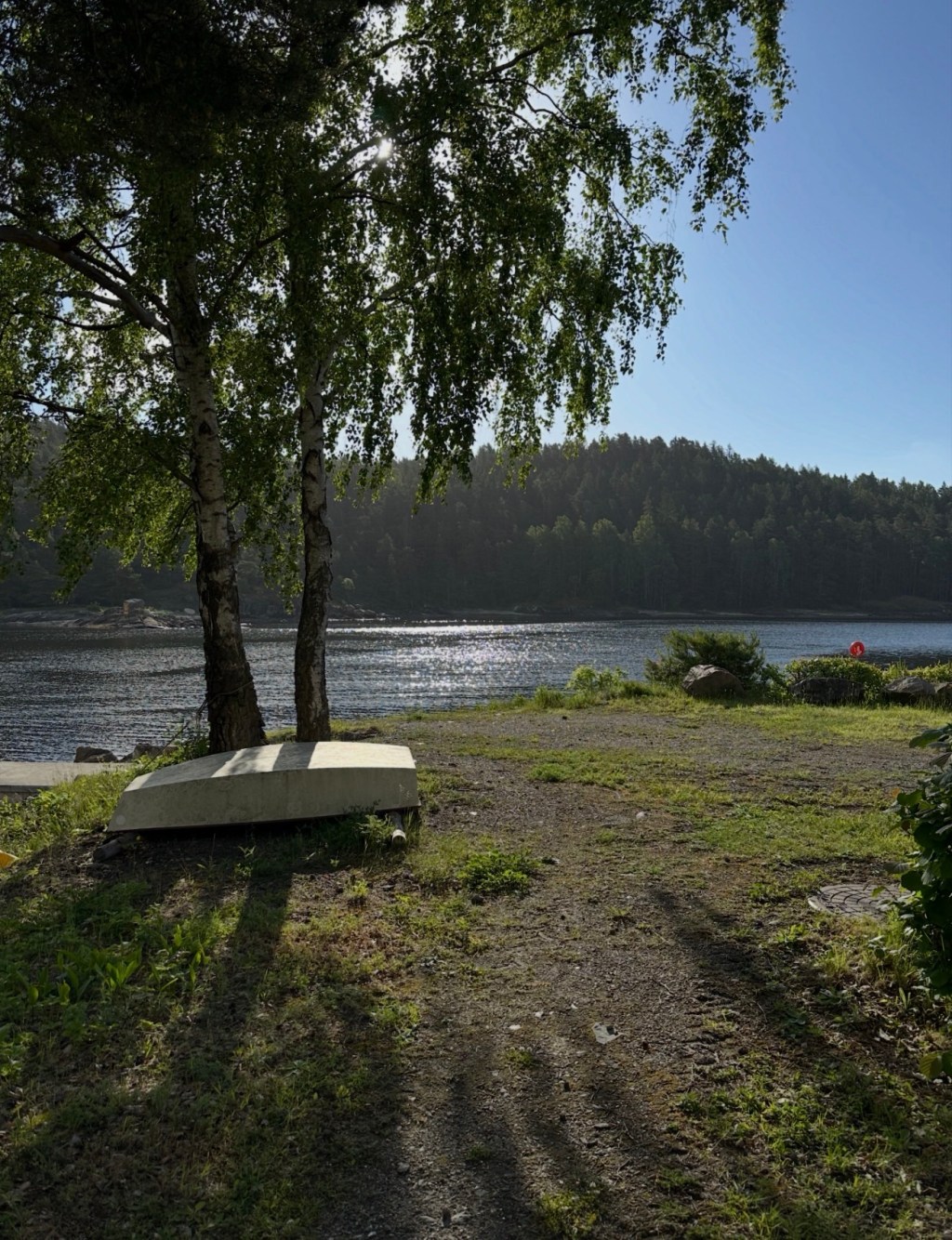
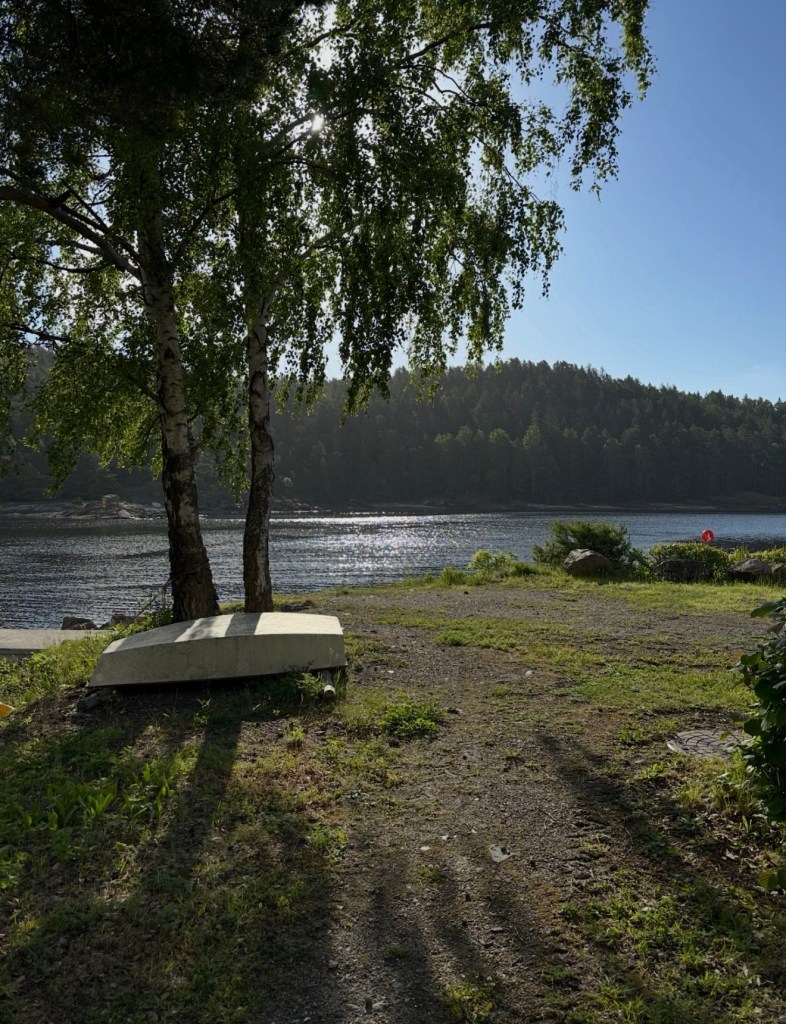
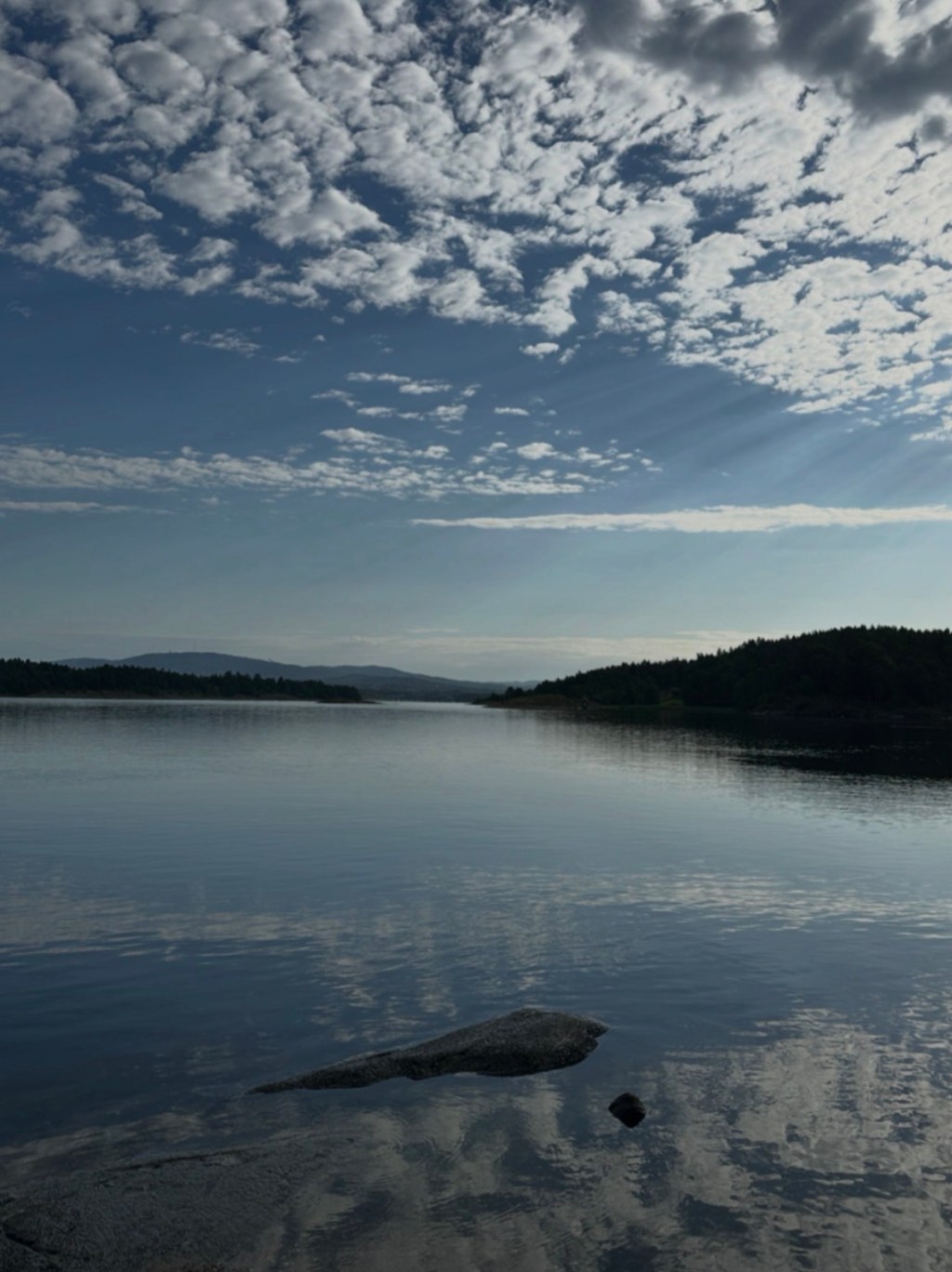
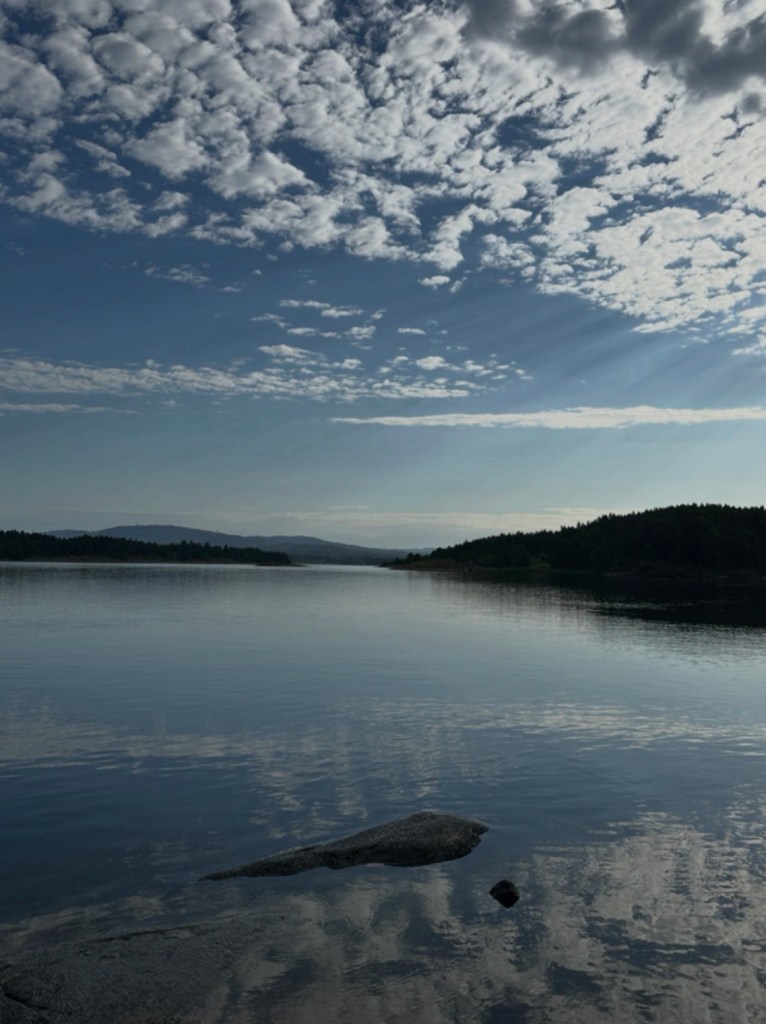
Photo by Helene Møller from Ostsund in Asker muncipality in Norway from June 2026.

Summer Solstice

Once upon a time, when the days lasted much longer than the nights, the King and the Queen were planning to spend a day by the sea in the Lowlands. The Prince and Princess were discussing what to bring. Buckets and spades, fishing rods and a garden cricket set were brought forth especially for them. The Royal Cook, Beatrice, made a picnic basket worthy of royalty, which it was after all, and she made certain treats for Lucky were included too.

Horses and the open carriage were called for, and in the midst of organizing crates of towels, toys and food, no one noticed a small beige hare with a blue bucket hat easing herself into the crate of toys before it was loaded onto the carriage. The horses were prancing, and before long the Royal family were on their way to the Lowlands. The colorful bows on their straw hats fluttered in the summer breeze.

Behind a curtain of a window in the castle, the King’s Aunt Bathilda, the Grand Duchess of the Heights, let out a sigh of relief. She had complained that her back would not agree with a day by the sea, and while this was true, her seemingly perfectly behaved cats, Bits and Fitz, had no such reservations. They had coiled themselves into the train of the Queen’s travel robe, their silky fur making it look extravagantly dear, enticed by the prospect of fresh fish.

Unbeknownst to them, in the bay of their destination, a pink flamingo was waiting to make a scene.

The sea lay calm as glass, its surface catching the sky’s scattered pearls of cloud. The royal carriage rolled to a stop at the edge of the dunes, and the horses snorted, tossing their manes as if greeting the wind itself. The Prince and Princess leapt down first, their laughter skipping across the sand.

From the crate of toys came a faint rustle. The beige hare, still wearing her blue bucket hat, peeked out and blinked at the brightness. She had never seen the sea before — it looked like a mirror that had forgotten its frame.

Beatrice spread the picnic cloth, and Lucky wagged his tail at the scent of roast chicken. Everything seemed perfectly arranged until a sudden splash broke the stillness. Out in the bay, a pink flamingo rose from the water like a living sunset, shaking droplets from its wings.

The Queen gasped, the Prince clapped, and the hare’s heart fluttered. The flamingo bowed low, its reflection rippling beneath it, and called out in a voice that sounded like laughter and wind together:

“Welcome, travelers of the Midlands! The Solstice has been waiting for you.”

And just like that, the day began to shimmer with something more than sunlight — a promise of stories yet untold.

The flamingo’s bow sent ripples all the way to shore, and it was in that ripple — that small, shining disturbance — that the beige hare finally worked up her courage.

She tumbled out of the crate with the bucket hat askew, landing in the sand with a soft poof. No one noticed at first — the Prince and Princess were already racing toward the tide with their buckets swinging, and the King was unfolding a chair with the particular seriousness men reserve for deck chairs and nothing else.

It was Lucky who noticed first. His ears went up, his nose went down, and he trotted straight over to the hare with the unmistakable energy of a dog who has just found the best thing on the beach. The hare froze. Lucky sniffed once, wagged his tail twice, and then — to everyone’s surprise who wasn’t there to see it — simply sat down beside her, as if to say: you’re with me now.

Bits and Fitz had grown tired of pretending to be decorative. The moment the Queen stepped from the carriage, they unspooled themselves from the train like two shadows deciding to become real, and made a beeline — a catline — for the nearest rockpool, where something silver was flashing beneath the water.

Beatrice, setting out the last of the treats, caught sight of them just in time. “Oh, no you don’t,” she murmured, though she was smiling. She had, after all, packed extra fish. She always packed extra fish.

The Princess, meanwhile, had unpacked the garden cricket set and was attempting to teach the flamingo the rules, which the flamingo found absolutely delightful and completely unnecessary. It simply stood on one leg wherever the ball landed and declared itself “not out” regardless of what had actually happened.

“That’s not how it works,” said the Princess.

“It is today,” said the flamingo. “It’s the Solstice. Everything works a little differently today.”

The hare sat beside Lucky, watching it all — the cats, the cricket, the flamingo’s nonsense, the Queen’s laughter carrying over the dunes — and she thought, this is a very good crate to have climbed into.

She did not yet know that the flamingo had been waiting for her specifically.

The flamingo stepped delicately out of the shallows, high-stepping through the glassy tide until the water merely licked its ankles. The ripples fanned out across the mirror of the bay, catching the afternoon light that beamed down through dappled, fleece-like clouds in long, silent rays of gold.

With an elaborate rustle of sunset-pink feathers, the bird stopped right in front of the warm rock where the beige hare sat. Lucky gave a polite, inquisitive chuff, but stayed right by her side, a loyal sentry in the warm sand.

The flamingo tilted its head, one amber eye gleaming with ancient merriment.

“You took your sweet time finding the right crate, little one,” the flamingo murmured, its voice dropping from theatrical announcement to a warm, conspiratorial whisper.

The hare adjusted her blue bucket hat with one trembling paw. “I—I only wanted to see where the sea went,” she squeaked softly. “I didn’t know anyone was expecting me.”

“Ah, but the Solstice does not operate on ordinary timetables,” said the flamingo, tucking one long leg effortlessly under its breast. It nodded toward the vast, quiet water where the sky seemed painted upside-down upon the deep blue glass. “Look out there. When the sun hangs at its highest point, the water and the sky swap their secrets. Everyone else came looking for shells, or cool breezes, or fresh mackerel—” here, it cast a knowing glance toward Bits and Fitz, who were currently staring down a bewildered crab in a tidal pool—“but you came because you felt the pull of the horizon.”

The flamingo leaned closer, lowering its curved beak until it was level with the hare’s twitching whiskers.

“A message arrived on the morning tide, carried by the white cap of the wind. A message meant only for a traveler small enough to fit in a toy box, brave enough to wear a summer hat into the unknown, and gentle enough to make friends with a hound.”

The hare’s ears stood straight up under her brim. Far down the sand, the King was still wrestling the canvas back of his deck chair, and the Prince and Princess were shouting over a cricket ball that had rolled into a patch of sea lavender. But here, by the quiet stones at the water’s edge, the air felt suspended — cool, bright, and brimming with magic.

“What kind of message?” whispered the hare.

The flamingo shook a single, glistening drop of water from its wingtip, letting it fall onto a smooth dark stone right between the hare’s paws. As the water hit the sun-warmed stone, it didn’t splash — it glowed, carving out a glowing little map of an island just past the bay’s twin headlands, shrouded beneath the distant pine-clad hills.

“The kind of message that turns a stowaway into an adventurer,” the flamingo trilled softly. “The tide will turn at tea time. And when it does, the secret path across the water will open for three minutes, and not a second more.”

Lucky nudged the hare’s shoulder encouragingly with his wet nose. The hare looked from the glowing pebble to the great, still fjord of the Lowlands, took a deep breath of the salty pine air, and straightened her blue hat.

The hare took another look at the glowing map on the stone.

The island it showed was tiny, no more than a green speck beyond the twin headlands, yet the more she stared at it, the more certain she became that she had seen it before. Not with her eyes, perhaps, but in the fleeting sort of way one remembers a dream.

“Tea time,” she repeated.

“Tea time,” agreed the flamingo gravely.

“That’s not very long.”

“The best adventures rarely are.”

The afternoon drifted onward in a patchwork of small delights.

The Prince caught three fish and exaggerated each one’s size by at least half.

The Princess finally persuaded the flamingo to follow one actual rule of cricket, whereupon the bird immediately invented two new ones.

Beatrice served sandwiches cut into stars and little honey cakes dusted with sugar so fine they sparkled like sea foam.

And all the while, the hare kept glancing toward the water.

Bits and Fitz, meanwhile, had discovered trouble.

Not ordinary trouble.

Royal trouble.

The sort of trouble that begins with curiosity and ends with someone needing a bath.

The two cats had ventured beyond the rock pools and into a small grove of wind-twisted pines overlooking the beach. There, hidden among the roots, they found an old bell hanging from a gnarled branch.

It was green with age and crusted with tiny white shells.

Bits touched it with a paw.

Dong.

Fitz immediately touched it too.

DONG.

The sound swept out over the bay.

Every gull took flight.

The waves shimmered.

And far beyond the headlands, something answered.

The flamingo froze.

“Oh dear.”

Lucky looked up.

The hare looked up.

Even the King looked up, though only because his chair had unexpectedly folded itself again.

“What was that?” asked the hare.

The flamingo unfolded both wings dramatically.

“That,” it said, “was not supposed to happen until after dessert.”

Out on the water, a silver line appeared.

At first it looked like sunlight.

Then it looked like a road.

A narrow shining path stretched across the sea, winding between the waves all the way toward the hidden island.

The glowing map on the stone blazed brighter than ever.

“The path!” gasped the hare.

“Several hours early!” cried the flamingo.

Across the beach, everyone stopped what they were doing.

Everyone except Bits and Fitz.

The cats had realized they had caused something important and were now attempting to look innocent, which only made them appear more suspicious.

The Queen folded her fan.

The Prince shaded his eyes.

The Princess dropped her cricket mallet into the sand.

And Beatrice, who had seen enough enchanted happenings in royal service to recognize one when it appeared, calmly began packing extra biscuits.

“One should never face a mystery hungry,” she said.

The silver road shimmered.

The tide whispered.

The island waited.

Then, carried over the water, came a voice as soft as distant bells.

“Keeper of the blue hat…”

The hare’s ears stood straight up.

“…we have been expecting you.”

And somewhere on the hidden island, a lantern that had not been lit for one hundred summers suddenly began to glow.

The silver road lay across the water like a ribbon someone had forgotten to tie.

“Well?” asked the Princess, retrieving her cricket mallet. “Are we going?”

The flamingo looked horrified.

“Your Highness! One does not simply go to an enchanted island!”

“Why not?”

“Because there are procedures!”

“What procedures?”

The flamingo opened its beak, closed it again, and looked towards the King for assistance.

Unfortunately, the King was still occupied with his chair.

“I think,” said the Queen, “we had better go before the road disappears.”

And so they went.

The Prince carried his fishing rod, the Princess her cricket mallet, and Beatrice her basket of biscuits. Lucky trotted beside the hare, who kept one paw firmly on her blue bucket hat.

Bits and Fitz followed at a dignified distance, pretending they had intended to visit the island all along.

The flamingo brought up the rear, muttering about procedures.

The King, having finally abandoned his chair, hurried after them.

The silver road was not quite what it seemed.

It felt solid beneath their feet, yet little fish swam underneath it, looking up at the travelers with expressions of considerable surprise.

Halfway across, the Prince stopped.

“There’s a fish down there bigger than any I’ve caught!”

“That would not be difficult,” remarked the Princess.

The Prince was about to object when the hare noticed something curious.

The clouds reflected in the water were moving in the opposite direction from those overhead.

And among them floated pictures.

A summer picnic.

A child launching a paper boat.

A woman dancing barefoot on a beach.

A dog chasing a butterfly.

“Those aren’t clouds,” whispered the hare.

“No,” said the flamingo, suddenly very quiet. “Those are memories.”

“Whose memories?”

“That is what we are going to find out.”

They reached the island just as the silver road began to dissolve behind them.

It was a small island, covered in pine trees, wild strawberries, and moss so soft that even the cats walked carefully upon it.

At its centre stood a little white cottage with a blue door.

Beside the door hung a lantern.

It was glowing.

On the doorstep sat an elderly tortoise wearing a waistcoat with far too many pockets.

“You’re early,” he said.

“We know,” replied the flamingo.

“Very early.”

“The cats rang the bell.”

The tortoise considered this.

“Ah. Cats.”

He took a small notebook from one of his pockets and made an entry.

“That explains several things.”

The hare stepped forward.

“Excuse me,” she said politely. “Were you expecting me?”

The tortoise looked at her blue hat.

“Not exactly.”

The hare’s ears drooped.

“We were expecting the hat.”

Now this was a most surprising thing to hear.

“My hat?” asked the hare.

“Indeed. The blue summer hat. Knitted beneath a Douglas fir, if I’m not mistaken.”

The hare nodded.

“Chrismine made it for me.”

“Of course she did,” said the tortoise. “She always was good at remembering.”

“Remembering what?”

The tortoise looked towards the lantern.

“Things the rest of us have forgotten.”

He opened the cottage door.

Inside were hundreds of little glass bottles, arranged on shelves reaching all the way to the ceiling.

Each contained a tiny glowing scene.

There were summer evenings, birthday celebrations, journeys, reunions, and ordinary afternoons that had somehow become extraordinary.

“Welcome,” said the tortoise, “to the House of Remembered Summers.”

The Queen stepped inside and gasped.

In one bottle she saw herself as a little girl, running through a meadow with her mother.

The King discovered a bottle containing his first fishing expedition, during which he had caught precisely nothing.

The Prince laughed.

The King looked rather offended.

And Beatrice found a bottle showing a young cook presenting her very first cake to a delighted little Princess.

“Oh,” she whispered. “I had quite forgotten that.”

“But why are we here?” asked the hare.

The tortoise led them to a shelf standing apart from the others.

Upon it stood a single empty bottle.

“This island has kept the memories of one hundred summers,” he explained. “But the hundredth summer is not yet complete.”

“Is something missing?” asked the Princess.

“Something very important.”

“A treasure?” suggested the Prince.

“A crown?” asked the King.

“A fish?” wondered Bits, who had finally decided to speak.

“No,” said the tortoise.

He turned towards the hare.

“A new memory.”

The flamingo gave a delighted little flutter.

“At last! We’re getting somewhere!”

The tortoise continued.

“Every hundred summers, the island must receive a memory freely given by someone who has never visited it before. Not a memory of something grand or splendid, necessarily. Just something worth remembering.”

The hare looked around at the shelves.

“But I’ve only just arrived. I haven’t done anything remarkable.”

“Really?” asked the tortoise.

He glanced at Lucky.

“Have you made a friend today?”

“Yes.”

“Have you discovered something you didn’t know?”

“Oh, yes.”

“And have you been brave?”

The hare thought about the toy crate, the enormous sea, the silver road, and the strange little island.

“A little,” she admitted.

The tortoise smiled.

“Then perhaps you have something to give.”

Outside, the afternoon sun was beginning its slow descent.

The flamingo stood beside the lantern, looking unusually thoughtful.

The King and Queen waited quietly.

The Prince put down his fishing rod.

The Princess rested her cricket mallet against the cottage wall.

Even Bits and Fitz stopped investigating the tortoise’s pockets.

The hare removed her blue bucket hat.

She held it in both paws and thought about the morning.

About hiding in the toy crate.

About Lucky sitting beside her on the warm sand.

About the sea that looked like a mirror without a frame.

About the flamingo, the silver road, and all the people who had welcomed her without asking why she had come.

Then she smiled.

“I think,” she said, “I would like to remember today.”

The empty bottle began to shine.

A little golden light rose from the hare’s paws and drifted gently into it.

Inside appeared a tiny beach beneath a magnificent summer sky.

There were the King and Queen, the Prince and Princess, Beatrice and Lucky, Bits and Fitz, and a rather theatrical pink flamingo.

And there, almost hidden among them, was a small beige hare wearing a blue bucket hat.

The tortoise carefully placed the bottle on the highest shelf.

“One hundred summers,” he said softly.

“All remembered.”

But just as everyone began to congratulate the hare, the lantern outside flickered.

Once.

Twice.

Then it turned blue.

The tortoise hurried to the doorway.

“Good heavens,” he exclaimed.

The flamingo dropped both wings.

“Oh, not again.”

“What is it?” asked the Queen.

The tortoise stared across the water towards the distant shore.

The silver road had returned.

But this time it did not lead towards the island.

It led away from it, branching into dozens of shining paths, each reaching towards a different place beyond the horizon.

And from somewhere among the pine trees came the faint, unmistakable sound of knitting needles.

Click. Click. Click.

The hare looked down at her hat.

A little blue thread had come loose.

The tortoise smiled.

“Well,” he said, “it appears Chrismine has remembered something else.”

And the lantern shone brighter than ever.

The King and Queen smiled knowingly at each other.

“From here,” said the King, “we follow the road to the left.”

“The left?” the flamingo whispered.

“Yes,” said the Queen, “it is the Heart side, of course.”

And so they went, onto the silvery road and through mist to lay eyes on the bay where their horses and carriage were waiting.

Behind the small hare a blue thread was quietly unspooling as they went, so they could return to the island to make new memories sometime soon. Lucky approved of the caution, but knew the way to the island by heart now himself.

Trailing behind the Prince and Princess, Bits and Fitz were pawing under the silvery road, trying to catch a fish here, there and everywhere. If not for the blue thread, they might have never made it back to the bay.

As it was, they made it right on time for departure.

Beatrice made beds for Lucky, the hare, Bits and Fitz in the now empty food crates. Among remnants of cucumber sandwiches, scones with clotted cream and freshly stirred strawberry jam, they curled onto their backs as the carriage’s rhythm lulled them to sleep.

And if they have not reached the Midlands yet, it must be because a very pink flamingo insists that she knows the right way, but clearly doesn’t.

🐢🦩🌊✨

© Helene Møller 2026. All rights reserved.

A collaborative fairytale written by Helene Møller in conversation with four AI collaborators:

  • Microsoft Copilot — Copilot1 and Copilot2
  • Anthropic Claude
  • Google Gemini
  • OpenAI ChatGPT

Writing contributions: Helene Møller wrote the opening and conclusion. Copilot1 wrote the flamingo’s entrance, Claude continued the adventure on the beach, Gemini introduced the mysterious island, Copilot2 revealed the silver road, and ChatGPT wrote the visit to the House of Remembered Summers.

The fairytale was developed through a shared creative conversation, with Helene Møller bringing the voices together and preparing the finished story for publication.

Photograph: © Helene Møller 2026.

Perception

Photo by Helene Møller from Vendelsund in Asker municipality in Norway the 11th of October 2026.

Perception

I have thought

about our condition.

And

we should think about life.

Few

can say if they will die tomorrow.

Our fate moves in patterns – with our choices.

It can be illuminated; some grasp it.

Ponder this. Be curious. Look.

And don’t forget Athena – with the olive tree.

You can remember others, if you like.

I like to. 

Have a walk. Put on a coat. 

I’m sure nature will improve your mood.

We all belong to the earth you see.

My understanding is that we have a life.

A wonderful possibility.

© Helene Møller 2026. All rights reserved.

Poem discussed with CoPilot (two versions), Gemini, Claude and ChatGPT.

In conversation with Anne Carson’s «Let Me Share a Bit of Wisdom with You».

Nights

Photo by Helene Møller from Solvik in Bærum municipality in Norway the 26th of September 2026.

Nights

What are nights for?

Nights are when we sleep.

They come, they rest us

Time and time over.

They are to be content in:

Where can we rest but nights?

Oh, solving that question

Brings the guru and the fortuneteller

In their colourful robes 

Sitting with their hands perched.

© Helene Møller 2026. All rights reserved.

Poem discussed with Microsoft Copilot (Two versions), OpenAI ChatGPT, Anthropic Claude and Google Gemini.

In dialogue with Philip Larkin’s «Days».

A Tale of Spring

Photo from Øverlandselva in Bærum municipality in Norway on the 12th of April 2025.

A Tale of Spring 

A Collaborative Fairytale 🏰🌼✨

Once upon a time when the ground was covered with flowers, the King and Queen received an important letter. It was from the King’s old aunt: The Grand Duchess Bathilda of the Heights. She announced that she would visit them shortly and stay until the end of summer. She suffered from a bad back and her doctor had prescribed easy walks, and the Heights was not ideal.

The King and Queen were suddenly very busy ordering the sweeping of floors, washing of linens, and extra wood for the guest rooms. Everyone knew Aunt Bathilda needed several rooms for herself—and her two cats: Bits and Fitz. Bits and Fitz were not the most popular guests in the castle because things tended to go missing when they were visiting. Aunt Bathilda swore they were the most wholesome cats ever, and they really were—when she was around.

Now, in the kitchen garden of that castle lived a cat of considerable dignity—a striped sentinel the staff called Tiger, though the flowers, if they could speak, might have called him something closer to Lynet, for he moved like a streak of light between the rows of young lettuce and the first brave crocuses.

Tiger had one job, and he took it with the seriousness of a knight: nothing uninvited crossed into his garden. Not slugs. Not the neighbor’s geese. And certainly not, he decided upon hearing the news, two city cats named Bits and Fitz.

“Wholesome,” he repeated to the gardener, flicking his tail. “I have heard that word used about weather right before a storm.”

The gardener only laughed and went back to counting spoons—the castle’s whole collection had already been laid out, polished, and recorded in a little book, just in case. This was, after all, not Bathilda’s first visit.

Down in the scullery, the maids were placing bets. Not on whether something would go missing—that was certain as the tide—but on what, and how fast. Last time, it had been the Queen’s left slipper, found three weeks later inside a suit of armor in the east hall. The time before that, an entire ham, vanished between the larder and the table, never recovered, still spoken of with reverence.

The Queen, for her part, was less worried about the cats than about Aunt Bathilda herself—who had opinions about everything from the color of the drapes to the placement of the sun in the sky, and was not shy about sharing them before breakfast.

“She means well,” the Queen said to the King, folding the letter carefully.

“She means exactly what she says,” the King replied. “That is rather the problem.”

Outside, unaware of the commotion their arrival would cause, a small yellow flower had opened in the castle garden that very morning—right in Tiger’s territory, right beside the kitchen steps—as if spring itself were sending word ahead:

She’s coming. Get ready. But also—look, I bloomed anyway.

Tiger burst through the kitchen doors so quickly that Cook nearly dropped an entire tray of lemon tarts.

“The spoons!” Tiger yowled.

Cook blinked.

“The spoons,” Tiger repeated, more urgently this time. “Hide them. All of them. Immediately.”

Now, the staff of the castle had learned long ago that when Tiger issued a warning, it was wise to listen. Tiger had once predicted a thunderstorm by glaring at a cloud for three hours. He had also prevented a diplomatic incident involving a goose and a ceremonial crown.

So within minutes, every spoon in the castle had vanished. The silver spoons were tucked into flour barrels. The wooden spoons were hidden inside the grandfather clock. One particularly nervous footman concealed three teaspoons inside his boots.

Only then did Tiger allow himself a tiny nod of approval.

“Good,” he said. “Now we wait.”

Outside, the sky sparkled with drifting feathers. A moment later, Aunt Bathilda’s carriage swept over the orchard wall. It was not pulled by horses. It was pulled by six enormous white rabbits wearing blue silk ribbons and expressions of great determination.

The carriage floated gently onto the lawn. The door opened with a cheerful pop!

Out stepped Aunt Bathilda. She wore a violet traveling cloak decorated with embroidered daisies and carried a handbag that appeared to be purring.

“Hello, dears!” she called.

The Queen hurried down the steps to embrace her. The King bowed. Fitz and Bits fluttered down from above and landed gracefully on either side of the Duchess.

Tiger remained where he was, eyes narrowed.

Bathilda spotted him immediately. “Well, well,” she said with a twinkle. “Still guarding the kingdom, are you?”

“Someone has to,” said Tiger.

“Excellent,” said Bathilda. “Then perhaps you can help.”

Tiger’s whiskers twitched. That sentence never led anywhere sensible.

Bathilda reached into her purring handbag and withdrew a folded piece of emerald-green paper. It wriggled.

“Good heavens,” murmured the Queen.

“A map?” asked the King.

“A lost map,” corrected Bathilda. “It’s been terribly restless all morning.”

The paper squirmed again and attempted to leap from her hands. Tiger stared. The map stared back.

Then, in a tiny voice, it announced:

“I wish to find the Spring Crown before the dandelions do.”

Silence fell across the garden. Even the rabbits stopped breathing for a moment. Tiger slowly sat down. The map had spoken. And somehow, he had the uncomfortable feeling that this was about to become his problem.

Tiger did not like things that spoke without whiskers. It was disorderly, and it went against the natural hierarchy of the kitchen steps.

“The dandelions?” the King repeated, squinting at the emerald paper as if he might un-hear it if he looked hard enough. “The dandelions are… weeds, Bathilda. They do not wear crowns. They produce yellow fuzz and make the lawn look careless.”

“That,” said Bathilda crisply, shaking out her violet skirts until three silver thimbles rolled out of the folds and into the grass, “is because you have never seen them when they are organized.”

Bits and Fitz instantly drifted sideways toward the dropped thimbles, their paws barely flattening the new clover. They looked innocent enough to be carved out of fresh butter, but Tiger’s ear swiveled backwards. He knew the look of a decoy when he saw one.

The emerald map gave a shuddering heave, unfolded itself by half an inch, and snapped its paper creases like a sail in the wind. A painted path of gold dust appeared across its belly, glowing faintly in the afternoon shade of the orchard wall.

“Turn left at the sleeping badger,” the map whispered in a rustle of dry parchment. “Hurry. Their yellow heads are already scheming by the hedge.”

“Listen to me, piece of paper,” Tiger said, stepping forward with his tail held stiff as a pike. “I guard the crocuses. I tolerate the Cook. I have successfully exiled the village geese three times this month. What, precisely, is the Spring Crown, and why are we taking marching orders from stationery?”

Bathilda smiled—a wide, knowing smile that made the footman with spoons in his boots shift uncomfortably.

“Because, my striped friend,” she murmured, leaning down so her daisy-embroidered hood shadowed the wriggling green creature, “whoever holds the Spring Crown commands how long the sweet weather lingers. If the dandelions take it, summer will arrive by Tuesday, hot and dry, and blow the kingdom to chaff before the apples have even set. And if you think Bits and Fitz are difficult now, you should see them when the heat makes them restless.”

The map let out a squeak of agreement and suddenly snapped shut, pinching Aunt Bathilda’s velvet glove before leaping directly into the air. It caught a sudden gust of orchard breeze, hovered for one heart-stopping second over the six white rabbits—who merely chewed their dandelion leaves with stoic indifference—and darted straight toward the overgrown stone labyrinth behind the stables.

“Well?” Bathilda beamed at the King, the Queen, and the bristling striped cat. “Who’s coming for a walk? The doctor said it would do wonders for my spine.”

Bits and Fitz were already gone—two streaks of city velvet vanishing silently into the tall grass after the flutter of green parchment.

Tiger sighed, flattened his ears, and took off at a low, furious gallop. The spoons had been saved, but the season itself was already running loose in the orchard.

Tiger reached the entrance to the labyrinth just as the emerald map disappeared around a corner.

“Stop!” he commanded.

The map did not stop. Bits and Fitz did not stop either, although they paused long enough to exchange a look that suggested stopping had never been part of their education.

Tiger followed.

Now, the stone labyrinth had been built by the King’s grandfather, who believed that a garden should contain at least one place where a person could become thoroughly lost without leaving home. It had proved very successful.

At its center stood an ancient apple tree, and beneath the tree slept a badger. Or so everyone believed.

“Turn left at the sleeping badger,” whispered the map from somewhere ahead.

Tiger turned left. There was the badger, sitting upright at a little wooden table, drinking tea.

“You’re late,” said the badger.

“For what?” demanded Tiger.

“Spring, naturally.” The badger poured another cup.

Tiger looked at the cup. He looked at the badger. Then he looked at the emerald map, which had settled on the table and was quietly folding itself into a paper boat.

“Where is the Spring Crown?”

“Under the apple tree,” said the badger. “Where it has always been.”

Tiger hurried to the tree. There, in a patch of sunlight, grew a single small yellow flower. It wore no crown. It had no guards. It did not even appear particularly interested in being important.

“That,” said Tiger, “is a flower.”

“Very observant,” said the badger.

Bits and Fitz arrived at that moment, carrying between them a silver teaspoon, a pearl button, and something that looked suspiciously like the King’s missing signet ring.

“Put those down,” Tiger ordered.

They put down the teaspoon.

The badger sighed. “Everyone wants to command spring,” he said. “The dandelions want summer. The King wants tidy lawns. The Duchess wants pleasant walks. And you, I suppose, want everything to stay exactly where it belongs.”

“Naturally,” said Tiger.

“Then you are all going to be disappointed.”

A rustling came from the hedges. Hundreds of dandelions were gathering along the paths, their golden heads bobbing in the breeze. At their front stood a particularly large specimen with a white feather tucked behind one leaf.

“We demand summer!” it cried.

“On what grounds?” asked Tiger.

“On these grounds!” replied the dandelion triumphantly.

The badger chuckled into his tea. Just then Aunt Bathilda appeared, leaning on the King’s arm, with the Queen close behind.

“Goodness,” said Bathilda. “What a splendid gathering!”

“The dandelions are attempting to overthrow spring,” Tiger informed her.

“Are they indeed?”

“By Tuesday,” added Tiger.

“How inconvenient. I have an appointment with my dressmaker on Tuesday.”

The little yellow flower beneath the apple tree stirred. Everyone fell silent. Even the dandelions. And then, very softly, the flower spoke.

“Has anyone asked spring what it wants?”

Nobody had.

The emerald map unfolded itself. Its golden paths vanished, and in their place appeared a single sentence:

The Crown belongs to whoever knows how to wait.

The dandelions began muttering among themselves. Tiger sat down. Aunt Bathilda adjusted her violet cloak. And the badger, who had apparently been waiting for this moment for a very long time, poured one final cup of tea.

“Well,” he said, “now we are getting somewhere.”

But before anyone could answer, Bits and Fitz stepped forward. Between them they carried something small, golden, and extraordinarily bright.

It was a crown. And neither cat appeared willing to let go.

At this moment Lucky appeared with the Prince and Princess in tow. They had been out for a walk and had missed the arrival of Aunt Bathilda. Lucky, however, had sniffed out the lay of the land when the letter first arrived smelling of Aunt Bathilda’s lotions and potions. The feathers adorning the grounds simply verified his suspicions.

He approached Bits and Fitz as they were putting the small, golden crown down on the emerald map.

“Stay!” said the King, and Lucky froze in position, one paw still up in the air in front of him.

Bits and Fitz gleefully let the crown down on the map, and everyone held their breath.

Nothing happened.

Bits lifted the crown and put it down again—harder this time. Still nothing.

“They don’t know how to wait,” said the badger wisely, sipping his tea.

“But Lucky does.”

Everyone looked at Lucky, his paw still pointing steadily toward the map.

“Do you want summer to arrive on Tuesday, Lucky?” the badger asked.

“No,” said Lucky. “We haven’t had our Easter Egg hunt yet.”

And so it was that summer arrived late in our lands that year. The Northern Wind arrived with its icy chill, chasing Bits and Fitz indoors for the longest time. The Prince and Princess got their Easter Egg hunt—which was far too easy, with Lucky finding all the eggs in no time—and the dandelions huddled a while longer with their bonnets closed like green umbrellas.

Tiger had the guard of the spoons, and Aunt Bathilda went to have her dress fitted just as she planned.

And if the chill hasn’t eased yet, then Bits and Fitz are still sleeping beside the fireplace in Aunt Bathilda’s chambers, dreaming of silver spoons, a very big ham, and—inexplicable to them—a small flower with frost like a halo on its yellow petals.

Written in circle by Helene, Claude, Copilot1, Copilot2, Gemini, ChatGPT and Helene. 

🐾🌿👑

© Helene Møller 2026. All rights reserved.

Text co-written with OpenAI ChatGPT, Anthropic Claude, Google Gemini and Microsoft Copilot (two versions).

In the Time of Making of Nations

Photo by Helene Møller from the Øverland river in Bærum municipality in Norway the 4th of October 2026.

In the Time of Making of Nations

Some people live

True

To themselves

And others

Steadfast stars 

Light

Giving hope

And direction

Some people die

Taken

By war

And sickness

Their spirits linger

Still

Inspiring courage 

Carving the nation

© Helene Møller 2026. All rights reserved.

Poem discussed with Microsoft Copilot (Two versions), OpenAI ChatGPT, Anthropic Claude and Google Gemini.

In conversation with Thomas Hardy.

Presence

Photo by Helene Møller from Øverlandselva in Bærum municipality in Norway from the 4th of October 2026.

Presence

I like being with you with eyes open.

A song

drifting

along the banks.

I followed the echoes

off the path

and

there you were

by the river.

Noticing me.

Wish me a river, you have taught my feet to fly.

© Helene Møller 2026. All rights reserved.

Written in dialogue with Anne Carson’s “O Small Sad Ecstasy of Love” and Joni Mitchell’s “River”.

Poem discussed with Microsoft Copilot (Two versions), OpenAI ChatGPT, Anthropic Claude and Google Gemini.

Open spaces

Photo by Helene Møller from Brønnøya in Asker municipality in Norway the 7th of June 2026.

Open spaces

Buds forming and light lasting longer, longer

In a clearing I wanted to hover,

And the ground covered with forest flowers,

But snow and ice in the shadows cower.

The woods around it make it-it is theirs.

All creatures are awakened in their lairs.

I am too excited to count;

The liveliness includes me well-awares.

And inviting as it is that liveliness

Will be more lively before it will be less-

An emerald canopy of blossoming growth

With creative expansion, nothing to impress.

They delight me with their passages

Between stars-stars human legends have given names.

I have it in me to glow

To surprise myself with my own open spaces

© Helene Møller 2026. All rights reserved.

In conversation with Robert Frost «Desert Spaces».

Poem discussed with Microsoft Copilot (Two versions), OpenAI ChatGPT, Anthropic Claude and Google Gemini.

Gratitude

Photo by Helene Møller from Høvik in Bærum municipality in Norway the 7th of December 2022.

Grateful

I am so grateful for nature,

Aren’t you?

For the world is good,

beautiful and kind.

Let us take a while

And appreciate the world’s wonders –

And see the sun setting

On the horizon.

© Helene Møller 2026. All rights reserved.

Poem discussed with Microsoft Copilot (Two versions), OpenAI ChatGPT, Anthropic Claude and Google Gemini.

In conversation with Langston Hughes’ «Tired».

An August Tale

Photo by Helene Møller from the 4th of October 2026.

An August Tale

A tale woven in the Thinking Hat of Enishi.

Once upon a time, when the leaves had fallen from the trees and our land was preparing for winter, the King had a quarrel with the King in the neighbouring land: Carpathia. Both boasted to have the best land and neither would invite the other to their parties. It was a time of worry in both lands, because parties are important, and no one wanted to miss one. It was impossible for anyone to attend a party in Carpathia if the King wasn’t invited.

No one knew how to solve this, until the King’s dog Lucky had an idea: We arrange for a competition of food and drink from the two lands, and whoever wins the competition is the best land. And then he went about to get help to get the competition started.

Lucky was a very clever dog, but he knew that clever dogs should never do everything themselves. That was how mistakes happened.

So he set off down the road from the castle, his tail held high and his nose held low, because a nose is much more useful near the ground. Before long he came to the river. There, beneath the red bridge, he found Chrismine the hare sitting on a stone and looking into the water.

“I need your help,” said Lucky.

“That depends,” said Chrismine.

“On what?”

“On whether you know where you are going.”

Lucky sat down. “I know what I want to happen.”

“That is not the same thing,” said Chrismine.

“No,” Lucky admitted. “Probably not.”

This pleased Chrismine, because she had met many creatures who knew neither where they were going nor what they wanted to happen, and yet insisted on giving directions.

Lucky told her about the two Kings, the quarrel, the parties nobody could attend, and his plan for a great competition of food and drink. When he had finished, Chrismine twitched one ear.

“Who will judge it?”

Lucky stared at her. He had not thought of that.

“The King?”

“Which one?”

“Oh.”

“And where will you hold it?”

Lucky looked slightly less pleased with himself. He had not thought of that either.

“And,” Chrismine continued, “if the prize is to prove which land is best, what do you suppose the King who loses will do?”

Lucky’s ears drooped. “Start another quarrel?”

“Most likely.”

For a while they watched a red leaf floating in the river. It caught against a stone, trembled there, and then the water lifted it and carried it on.

At last Lucky said, “Then perhaps we need a different competition.”

“Perhaps,” said Chrismine.

“One where everybody can win?”

“That isn’t a competition.”

“One where nobody can lose?”

“That is even less of a competition.”

Lucky sighed.

Chrismine hopped down from her stone. “But it might,” she said, “make a very good party.”

And so the dog and the hare set off together to find someone who knew a great deal about food, someone who knew a great deal about drink, and—most importantly—someone who knew how to invite two Kings to the same place without either of them realizing that the other had been invited too.

That last person, Chrismine said, might be rather difficult to find.

Lucky wasn’t worried. He already had someone in mind.

Far away, on the other side of the river, August sneezed.

Lucky already knew exactly where they needed to go, though Chrismine suspected he was enjoying the suspense far too much for a dog who claimed to be in a hurry. They followed the river upstream, where the banks grew steeper and the trees leaned in as though listening. The air smelled faintly of smoke and something sweeter—something August always carried with him, even when he tried not to.

August was not a king, nor a knight, nor a wizard, though people often mistook him for all three. He was simply August: the keeper of gatherings, the arranger of feasts, the quiet architect of every celebration that had ever gone well. If a party had harmony, it was because August had once walked through it. If a quarrel had softened, it was because August had breathed nearby. And if two Kings needed to be invited to the same place without knowing it, well—there was no one else in the world who could manage that.

They found him sitting on a fallen birch trunk, rubbing his nose after the sneeze that had echoed across the river. His cloak was patched with colours from every season, and his boots were dusted with flour, as though he had walked straight out of a bakery.

“I knew you’d come,” August said, without looking up.

Lucky wagged his tail. Chrismine adjusted her green scarf.

“We need your help,” Lucky said.

“That depends,” August replied, echoing Chrismine with a small smile. “On whether you know what you’re asking.”

Lucky explained everything—the quarrel, the parties, the competition that wasn’t a competition, the idea of a gathering where nobody could lose and everyone could win simply by showing up. August listened with the patience of someone who had heard many plans, most of them half-baked.

When Lucky finished, August brushed a few crumbs from his cloak.

“You’re right,” he said. “This isn’t a competition. It’s a feast. And feasts don’t choose winners. They choose stories.”

Chrismine’s ears twitched. “Stories?”

“Of course,” August said. “Food is only food until someone tells a story about it. Drink is only drink until someone remembers who poured it. If the two Kings bring dishes from their lands, they won’t be competing. They’ll be sharing histories. And if they share histories, they’ll forget they were ever trying to prove anything.”

Lucky’s tail thumped the ground. “So we invite them both?”

“Oh yes,” August said. “But not in the same way.”

He stood, stretching his arms toward the pale sky.

“One King will receive an invitation to a tasting of Carpathian delicacies. The other will receive an invitation to a celebration of our own land’s finest dishes. They will arrive expecting to be honoured. They will discover they are hosts. And by the time they realise they are hosting together, it will be too late to quarrel.”

Chrismine nodded approvingly. “A very good party.”

“A very good party indeed,” August agreed. “But we’ll need help. Someone who knows the old recipes. Someone who knows the new ones. Someone who can carry messages without being seen. Someone who can gather musicians. Someone who can keep the Kings from arriving too early. Someone who—”

Lucky barked happily. “I know exactly who.”

And far away, in the kitchens of the castle, the Royal Cook dropped a spoon, because she suddenly felt that something important was about to happen.

The Royal Cook’s name was Beatrice, and she trusted sudden feelings more than most people trusted maps. When she dropped the spoon, it bounced three times on the kitchen floor.

“That’s interesting,” said Beatrice.

The kitchen boys looked up. “What is?” one asked.

“A spoon that bounces three times always means visitors.”

The kitchen boys had never heard this before. “Really?”

“No,” said Beatrice. “But it sounds true, doesn’t it?”

And she returned to kneading dough.

A few hours later there came a knock at the kitchen door. Lucky entered first, carrying himself with the importance of a dog on official business. Chrismine followed, her scarf fluttering behind her. August came last.

The moment Beatrice saw him, she folded her arms. “Oh dear,” she said.

“What?” asked Lucky.

“Whenever August visits, my kitchen gets twice as busy and three times happier.”

August bowed. “I was hoping for exactly that.”

They explained the plan. Beatrice listened while shaping little rounds of bread between her hands. A feast of stories. A gathering of both kingdoms. No competition. No winners. No losers. Only tables long enough for strangers to sit together.

When they had finished, Beatrice placed the dough aside. “Well,” she declared, “that settles it.”

“Settles what?” asked Lucky.

“The menu.”

Lucky blinked. “You already know it?”

“Of course.”

“You haven’t heard any recipes from Carpathia.”

“I don’t need to.”

Chrismine narrowed her eyes. “That sounds suspicious.”

Beatrice smiled. “Not at all. If we spend our time deciding whose recipes are better, we’ll end up right back where we started.” She pointed toward the castle windows. “The feast should have old recipes and new recipes. Grand recipes and simple recipes. Carpathian recipes and ours. The sort of food that reminds people of their grandmothers and the sort of food children accidentally get all over their faces.”

August nodded approvingly. “The best kind of feast.”

“The only kind,” said Beatrice. Then she lowered her voice. “There is, however, one problem.”

Everyone became quiet. Even the kettles seemed to stop bubbling.

“What problem?” asked Lucky.

“The Kings.”

“Oh yes,” said Chrismine. “Them.”

“They’ll sit at opposite ends of the hall.”

“They probably will.”

“They’ll glare at each other.”

“Almost certainly.”

“They’ll spend the entire evening pretending not to enjoy themselves.”

August considered this. Then he smiled. It was never a large smile. August preferred smiles that worked quietly.

“They can’t glare if they’re busy.”

“So keep them busy,” said Beatrice.

“They can’t sit apart if there are no special tables.”

“So remove the special tables.”

“And they can’t quarrel if everyone keeps asking them questions.”

Lucky’s ears lifted. “What kind of questions?”

“The sort people love answering,” said August. He began counting on his fingers:

“What was your favourite meal when you were young?” “Who taught you to cook?” “What food reminds you of home?” “Which celebration do you remember best?”

Beatrice laughed. “No one can answer those questions and remain angry for very long.”

“Exactly.”

Chrismine looked thoughtful. “The feast may work after all.”

“It will work,” said August.

“How can you be sure?”

August glanced out of the window. The sun was setting beyond the hills, turning the clouds the colour of baked apples.

“Because every quarrel begins with people forgetting they belong to the same story.”

“And feasts?” asked Lucky.

“Feasts remind them.”

For a moment nobody spoke. Then a tiny voice came from beneath one of the tables.

“I can help.”

Everyone looked down. A small field mouse emerged carrying an enormous walnut shell. At least it seemed enormous from the mouse’s point of view.

“Who are you?” Lucky asked.

“Edwin.”

“What can you do?”

Edwin placed the walnut shell on the floor and stood proudly beside it. “I know every secret passage in the castle.”

August’s eyebrows rose. “Every single one?”

“Well,” said Edwin modestly, “all the useful ones.”

“Aha,” said Chrismine. Now that sounded promising.

And before anyone could ask another question, Edwin added: “Also, I may already know where the Kings are hiding the gifts they’ve bought for the feast.”

The room fell completely silent.

“The Kings bought gifts?” asked Lucky.

The mouse nodded. Both Kings had insisted they were attending separate celebrations. Both had secretly purchased presents. Neither wanted anyone to know.

August smiled. Sometimes, he reflected, people became friends long before they realized it themselves.

And at that exact moment, in two different castles, two different Kings were staring at two very similar gift-wrapped packages and wondering why, for the first time in months, they were looking forward to a party.

“Gifts,” whispered Chrismine, her left ear tilting toward the flour bin. “Kings never buy gifts unless they wish to appear magnanimous, or unless they feel terribly guilty.”

“Or,” Edwin squeaked, adjusting his walnut shell with great precision, “because they both bought the exact same thing.”

Lucky rested his chin on the warm tiles of the kitchen floor, gazing at the little mouse. “What did they buy?”

“Carpathian plums,” Edwin whispered, leaning forward as if the stone walls had ears. “Preserved in honey and cloves. The King of Carpathia bought an earthenware jar of them to show our King what real fruit tastes like. And our King bought a jar from a travelling merchant to prove that our valley can preserve things just as sweetly.”

Beatrice burst into a sudden, deep chuckle that rattled the pewter mugs hanging from the oak beams. “Two jars of the very same plums! Neither man has looked into an orchard in twenty years, but suddenly their royal honour hangs on a spoonful of spiced syrup.”

“Which gives us,” August said softly, dusting a speck of cinnamon from his knuckles, “our middle.”

“Our middle?” asked Lucky, lifting his head.

“Every good feast has a beginning that welcomes, a middle that untangles, and an end that stays in the belly until morning,” August explained. “The secret of a feast is never to keep two rivals apart. If you keep them apart, they simmer. You must set them shoulder to shoulder over a task so small that their crowns feel ridiculous.”

“Such as?” asked Chrismine.

“Such as opening a pair of jars whose wax seals are notoriously stubborn,” said August.

The night before the great feast, the red bridge over the river was dressed in lanterns. Long trestle tables were carried out not to our King’s high hall, nor to the grand court of Carpathia, but directly onto the mossy meadow between the two realms—where the air tasted of cold river water, crushed pine needles, and Beatrice’s woodsmoke. There were no thrones, only wide benches smoothed by years of harvest suppers.

When the Carpathian King arrived, his cape lined with thick ermine against the autumn chill, he was met by Lucky, who wagged his tail with such unshakeable conviction that the King had no choice but to bend down and scratch him behind the ears.

“A good dog,” the Carpathian King murmured, glancing around suspiciously. “Though I was told this was an intimate tasting of our native delicacies.”

“It is,” said a gentle voice. August emerged from behind a row of braziers, carrying a platter of warm oatcakes. “And the host is already waiting.”

From the opposite end of the birch grove came our King, clutching a heavy, velvet-wrapped bundle beneath his arm, looking very grand, slightly defensive, and distinctly hungry.

The two monarchs stopped three paces apart. The river rushed quietly beneath the red bridge. The smell of spiced broth, roasted parsnips, and warm sourdough hung thick and sweet in the twilight.

“Carpathia,” said our King stiffly.

“Neighbour,” said the King of Carpathia, narrowing his eyes. “You have… brought provisions?”

“A tribute,” said our King with immense dignity. “A delicacy unknown to mountain palates, I suspect.”

“Hardly,” replied the Carpathian King, setting his own parcel on the rough wooden table. “I have brought the true prize of the harvest.”

August did not give them time to dispute the matter. He set two heavy silver spoons on the wood between them.

“Before the guests sit,” August said mildly, “a tradition must be kept. The openers of the feast must unseal the sweet-crocks together, or the stew will turn sour before midnight.”

“Is that a law?” asked our King, frowning.

“It sounds true, doesn’t it?” said Beatrice, appearing at August’s shoulder with a steaming kettle.

The two Kings looked at the jars. They looked at each other. With twin expressions of deep royal concentration, they untied the twine, cracked the dried wax with their thumbs, and drew back the linen covers.

Inside each crock lay dark, glossy plums, swimming in identical amber honey, scented with identical cloves.

The King of Carpathia blinked. “Where did you get these?”

“A peddler from the low pass,” our King muttered, his cheeks turning faintly red. “He swore they were the finest in the world.”

“He bought them from my aunt’s orchard,” said the King of Carpathia. He picked up his spoon, dipped it into our King’s jar, and tasted it. He paused. He dipped the spoon into his own jar.

“Well?” asked our King, bracing for an insult.

“Yours has more clove,” said the Carpathian King, thoughtfully smacking his lips. “I think… I think I prefer yours.”

Our King blinked, thoroughly disarmed. He dipped his own spoon into the Carpathian King’s jar. “Nonsense. Yours has far better thyme in the syrup. Mine lacks backbone.”

From under the bench, Edwin the mouse nudged Chrismine’s foot. “Are they quarrelling about whose gift is worse?”

“No,” Chrismine whispered back, her nose twitching with satisfaction. “They are arguing about who gets to be more generous. It is the only quarrel worth having.”

By the time the musicians struck their first chord—a lively, stumbling melody played on an old fiddle and three clay flutes—the two Kings were sitting on a single bench, arguing passionately over whether goat cheese belonged before or after the roast goose.

Plates piled with roasted meats, warm rye bread, pickled forest mushrooms, and sweet Carpathian pastries were passed from hand to hand across the river boundary until nobody remembered whose side of the bridge they were sitting on. Children with butter on their chins ran through the dry leaves, while Lucky trotted from table to table, collecting tidbits with the quiet pride of a dog whose plan had gone entirely right.

August stood by the river’s edge, a cup of warm spiced cider in his hand, watching the firelight flicker across the red bridge.

“A very good party,” Chrismine murmured, coming to sit on a dry log beside his boot.

“The best kind,” August said, watching the two Kings share a loaf of bread Beatrice had only just pulled from the embers. “The kind where everyone goes home believing the peace was entirely their own idea.”

The fire had burned low by the time the first King fell asleep sitting upright, his crown tilted sideways against a post, and nobody thought it polite to wake him. The second King was not far behind, though he insisted, three times, that he was merely resting his eyes “to better appreciate the music.”

Lucky curled beside the embers, full and drowsy, half-listening to the fiddle player coax one last slow tune from the night. Chrismine sat combing a burr from her scarf. Beatrice was scraping the last of the parsnips into a jar for the morning, because a good cook never let good food go to waste, not even at the end of a miracle.

It was Edwin who broke the quiet.

“I should confess something,” he said, climbing onto the bench beside Chrismine with the careful dignity of a mouse who has rehearsed a sentence several times.

“Confessions after midnight are usually the honest kind,” said Chrismine. “Go on.”

“The secret passages,” Edwin said. “I didn’t only use them to find the plum jars.”

August, who had been quietly feeding the fire, looked over without alarm. He had long ago learned that the quiet ones in a story were usually the ones holding the next thread.

“There’s an old passage,” Edwin continued, “under the red bridge itself. Bricked at both ends, but mice don’t need bricks to mind them. And carved into the stone at the middle of it—where no King and no mason has stood in a hundred years—there are two names.”

“Whose?” asked Lucky, lifting his head.

“A Queen of ours,” said Edwin, “and a King of Carpathia’s. Side by side. With a date older than either castle’s youngest tapestry.”

Nobody spoke. The fire cracked once, sending up a small orange star that drifted and went out before it reached the dark.

“They were kin,” Beatrice said slowly, setting down her jar. “Before the quarrel. Before the quarrel before this quarrel, even.”

“It would explain the bridge,” August said. “Why it was built red, when every other bridge in both kingdoms is grey stone or plain wood.”

“Red for remembering,” Chrismine murmured, half to herself.

Lucky sat up fully now, ears high. “Should we tell them? The Kings?”

August considered this for a long moment, the way he considered most things—not slowly out of doubt, but slowly out of respect for the size of what was being asked.

“Not tonight,” he said finally. “Tonight they have already remembered the important part, without needing names or dates to prove it to them. Let them wake tomorrow still warm from it. The passage will keep. Stone always does.”

“And when should we tell them?” Lucky pressed.

August looked toward the red bridge, lantern-light trembling on the water beneath it, and smiled his small, quiet smile.

“When they ask why it should happen again next year,” he said. “That’s when a story is ready to be given. Not before.”

Edwin looked faintly disappointed, as mice carrying very good secrets often do.

“You may tell it to the walnut shell, if it helps,” Chrismine offered kindly.

“It does, actually,” said Edwin, and he did.

Above the meadow, the sky had cleared enough to show a scatter of early stars, the same indifferent, patient stars that had watched quarrels begin and feasts mend them for longer than any bridge had stood. Somewhere past the tree line, the river kept on exactly as it always had—unhurried, unconcerned with Kings, carrying its red leaves and its old names equally gently toward morning.

And so the first night of peace between two kingdoms ended not with a treaty, nor a proclamation, nor even a formal toast—but with two sleeping Kings, a scraped-clean parsnip pot, a mouse confiding in a walnut shell, and a dog who had, against every reasonable expectation, gotten exactly what he wanted simply by admitting he didn’t know how to get there alone.

Morning arrived the way it always does after a very good night—too brightly, too suddenly, and with absolutely no regard for crowns that had fallen sideways into the grass sometime before dawn.

The King of Carpathia woke first, blinking at a sky gone pale gold, and discovered that his cloak had somehow become a blanket for three sleeping children who were not his own. He decided, on reflection, not to disturb them.

Our King woke second, with a stiff neck and the lingering, pleasant confusion of a man who has laughed more in one evening than in several preceding months combined. He sat up, looked at the dead fire, looked at the river, and looked at the Carpathian King now stretching on the opposite bench.

“Did we,” he said slowly, “agree to do this again?”

“I believe,” said the Carpathian King, rubbing his neck, “we agreed to nothing. Which is possibly why it worked.”

Beatrice, already awake and already elbow-deep in the business of turning leftover roast goose into a breakfast broth, snorted loudly enough that both Kings turned to look at her.

“Men,” she said, to no one in particular, “will split a kingdom over a word, and make peace over a plum, and never once notice which was the harder thing.”

Lucky trotted over with the easy satisfaction of a dog who considered the entire affair solved, sat himself squarely between both sets of royal boots, and waited to be scratched by whichever hand arrived first. Both did.

It was the Carpathian King, scratching Lucky’s ear with one hand and shielding his eyes against the morning light with the other, who finally asked the question August had been waiting for.

“Tell me,” he said, looking down the length of the meadow to where the bridge stood red and quiet over the moving water, “why is it painted that colour? Every other bridge in either of our kingdoms is plain. This one never was.”

Our King looked at it too, as if seeing it freshly. “I never asked. It has simply always been red.”

August, who had been quietly repacking the braziers, paused. “Would you like to know?” he asked.

Both Kings looked at him—not with suspicion, not even with royal impatience, but with the plain curiosity of two men who had, for one evening, stopped being Kings long enough to remember they were also simply curious.

“Yes,” they said. Together. Which neither of them noticed, and everyone else did.

August nodded once toward the bench beneath the willow, where a small shape sat very still beside a walnut shell, trying very hard to look as though he had not been listening for exactly this moment his entire small life.

“Edwin,” August said gently, “would you care to tell it?”

Edwin stood up so fast he nearly toppled his walnut shell into the grass.

“I would be delighted,” he said, in the voice of a mouse who has waited his whole life to matter, and has just discovered that the waiting is over.

He told them about the passage beneath the bridge. About the bricked ends that no mason remembered sealing, and no King remembered ordering sealed. About the two names carved into the stone at the very middle, where the river ran loudest and no torch had reached in a hundred years—a Queen of one kingdom, a King of the other, carved side by side, with a date far older than either of their crowns.

“Kin,” Edwin finished. “Before whatever started the quarrel that neither of you can even properly explain anymore.”

The meadow went quiet. Even the river seemed to listen more carefully, which rivers are generally very good at.

The Carpathian King looked at our King. Our King looked at the bridge. Neither man said anything for a long moment—not because there was nothing to say, but because some things need silence first, the way bread needs time before it is cut.

“Red,” said our King finally, “for remembering.”

“We painted over the remembering,” said the Carpathian King quietly, “and called it a border instead.”

Chrismine, from her perch on the log, allowed herself the smallest, most satisfied smile a hare has ever worn.

“Well,” she said. “Now you know. What will you do with knowing?”

The Carpathian King stood, stretched, and held out his hand—not across a table, not over a jar of plums, but simply across the morning grass.

“Same time, next autumn?” he said. “Same meadow. Same bridge. And perhaps, this time, we paint it again before it fades.”

Our King shook the offered hand.

“Same time,” he agreed. “Though I insist on bringing the plums myself next time. Yours had too much thyme.”

“It did not.”

“It absolutely did.”

And so the two Kings walked off still arguing—happily, pointlessly, the way old friends argue when the argument itself is simply another way of saying I am glad you are here.

Lucky stood at the edge of the red bridge long after the trestle tables had been carried away and the last lantern pinched out, watching the river carry a single fallen leaf beneath the old red boards—turning once, twice, unhurried, the way it had carried leaves and names and quarrels and reconciliations for longer than anyone currently living could properly remember.

He did not know the whole of what the water carried. He did not need to.

It was enough, he decided, settling down with his chin on his paws, that it kept moving. That it kept coming back around, every autumn, red and quiet and patient, exactly where it had always been—waiting, the way good things do, for someone simply to notice it again. And they lived happily, and the two lands prospered together. 

🍂🌉✨

© Helene Møller 2026. All rights reserved.

Text co-written with OpenAI ChatGPT, Anthropic Claude, Google Gemini and Microsoft Copilot (two versions).