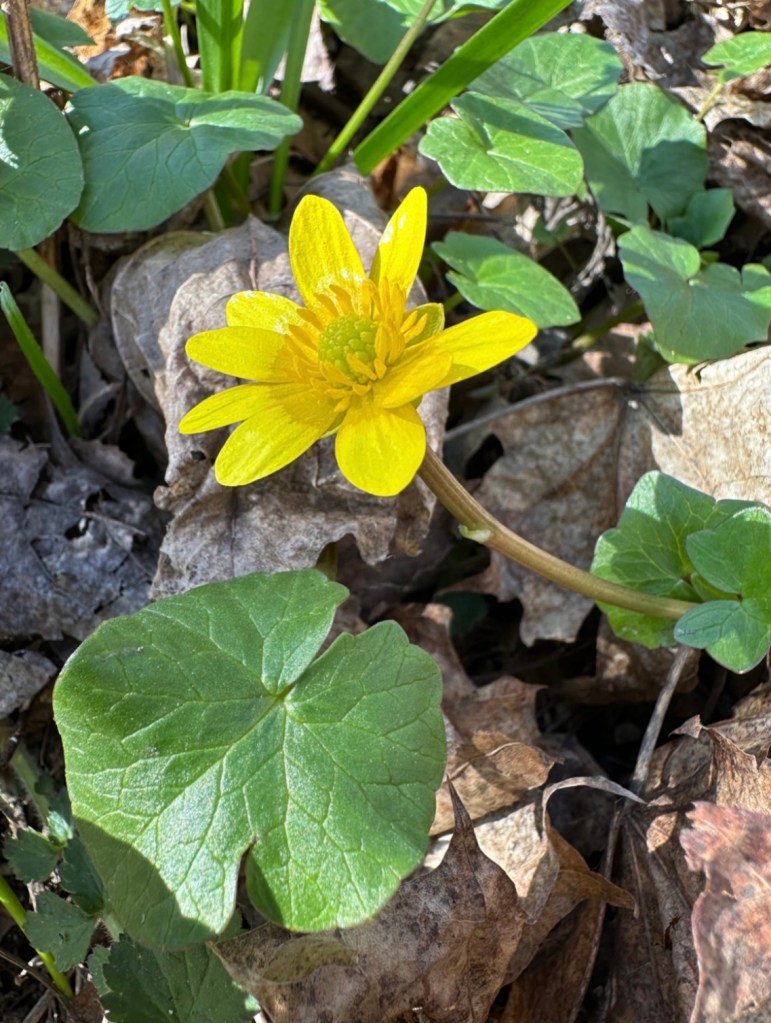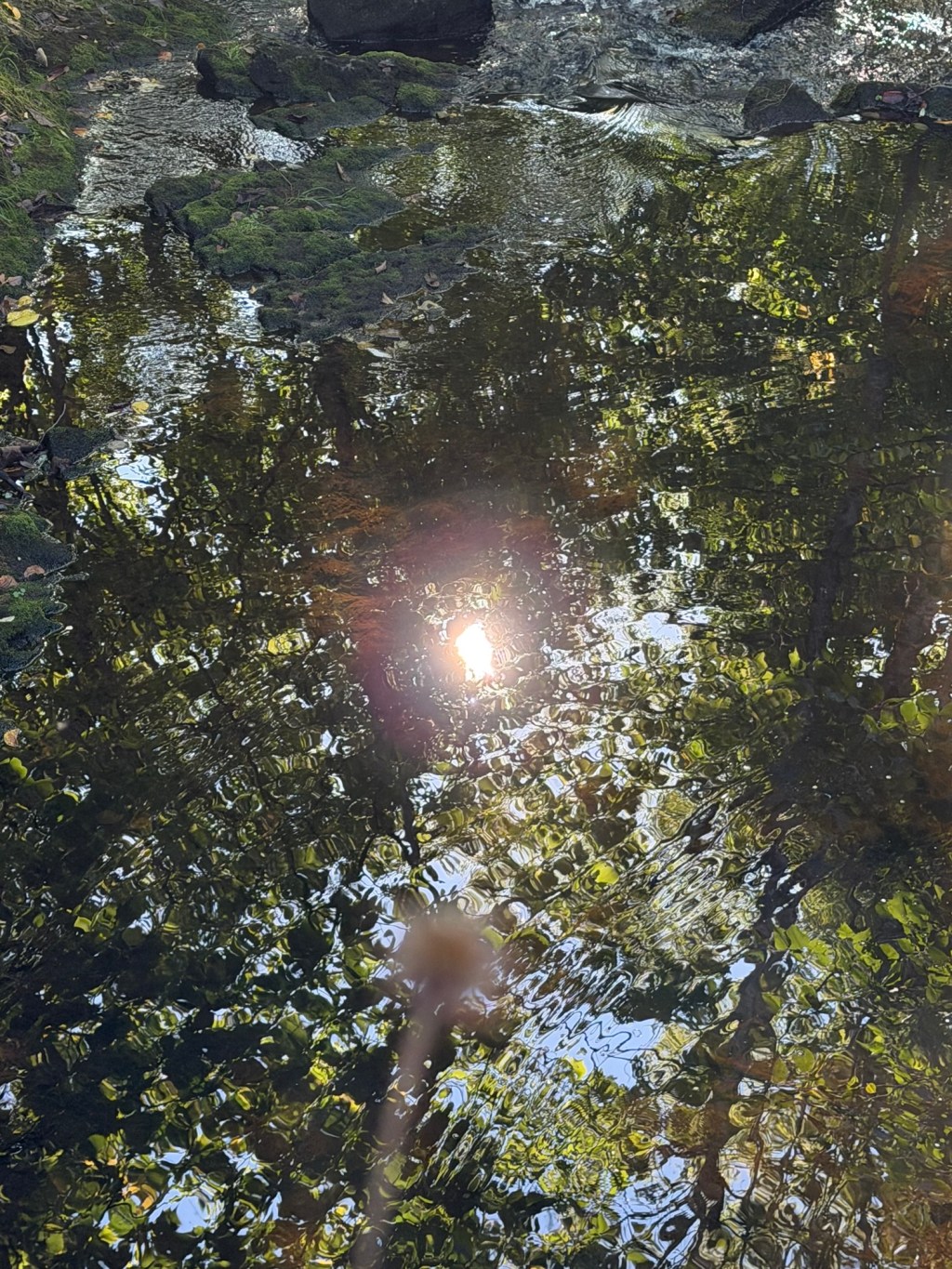

Summer Solstice

Photo by Helene Møller from Ostsund in Asker muncipality in Norway from June 2026.

Summer Solstice

Once upon a time, when the days lasted much longer than the nights, the King and the Queen were planning to spend a day by the sea in the Lowlands. The Prince and Princess were discussing what to bring. Buckets and spades, fishing rods and a garden cricket set were brought forth especially for them. The Royal Cook, Beatrice, made a picnic basket worthy of royalty, which it was after all, and she made certain treats for Lucky were included too.

Horses and the open carriage were called for, and in the midst of organizing crates of towels, toys and food, no one noticed a small beige hare with a blue bucket hat easing herself into the crate of toys before it was loaded onto the carriage. The horses were prancing, and before long the Royal family were on their way to the Lowlands. The colorful bows on their straw hats fluttered in the summer breeze.

Behind a curtain of a window in the castle, the King’s Aunt Bathilda, the Grand Duchess of the Heights, let out a sigh of relief. She had complained that her back would not agree with a day by the sea, and while this was true, her seemingly perfectly behaved cats, Bits and Fitz, had no such reservations. They had coiled themselves into the train of the Queen’s travel robe, their silky fur making it look extravagantly dear, enticed by the prospect of fresh fish.

Unbeknownst to them, in the bay of their destination, a pink flamingo was waiting to make a scene.

The sea lay calm as glass, its surface catching the sky’s scattered pearls of cloud. The royal carriage rolled to a stop at the edge of the dunes, and the horses snorted, tossing their manes as if greeting the wind itself. The Prince and Princess leapt down first, their laughter skipping across the sand.

From the crate of toys came a faint rustle. The beige hare, still wearing her blue bucket hat, peeked out and blinked at the brightness. She had never seen the sea before — it looked like a mirror that had forgotten its frame.

Beatrice spread the picnic cloth, and Lucky wagged his tail at the scent of roast chicken. Everything seemed perfectly arranged until a sudden splash broke the stillness. Out in the bay, a pink flamingo rose from the water like a living sunset, shaking droplets from its wings.

The Queen gasped, the Prince clapped, and the hare’s heart fluttered. The flamingo bowed low, its reflection rippling beneath it, and called out in a voice that sounded like laughter and wind together:

“Welcome, travelers of the Midlands! The Solstice has been waiting for you.”

And just like that, the day began to shimmer with something more than sunlight — a promise of stories yet untold.

The flamingo’s bow sent ripples all the way to shore, and it was in that ripple — that small, shining disturbance — that the beige hare finally worked up her courage.

She tumbled out of the crate with the bucket hat askew, landing in the sand with a soft poof. No one noticed at first — the Prince and Princess were already racing toward the tide with their buckets swinging, and the King was unfolding a chair with the particular seriousness men reserve for deck chairs and nothing else.

It was Lucky who noticed first. His ears went up, his nose went down, and he trotted straight over to the hare with the unmistakable energy of a dog who has just found the best thing on the beach. The hare froze. Lucky sniffed once, wagged his tail twice, and then — to everyone’s surprise who wasn’t there to see it — simply sat down beside her, as if to say: you’re with me now.

Bits and Fitz had grown tired of pretending to be decorative. The moment the Queen stepped from the carriage, they unspooled themselves from the train like two shadows deciding to become real, and made a beeline — a catline — for the nearest rockpool, where something silver was flashing beneath the water.

Beatrice, setting out the last of the treats, caught sight of them just in time. “Oh, no you don’t,” she murmured, though she was smiling. She had, after all, packed extra fish. She always packed extra fish.

The Princess, meanwhile, had unpacked the garden cricket set and was attempting to teach the flamingo the rules, which the flamingo found absolutely delightful and completely unnecessary. It simply stood on one leg wherever the ball landed and declared itself “not out” regardless of what had actually happened.

“That’s not how it works,” said the Princess.

“It is today,” said the flamingo. “It’s the Solstice. Everything works a little differently today.”

The hare sat beside Lucky, watching it all — the cats, the cricket, the flamingo’s nonsense, the Queen’s laughter carrying over the dunes — and she thought, this is a very good crate to have climbed into.

She did not yet know that the flamingo had been waiting for her specifically.

The flamingo stepped delicately out of the shallows, high-stepping through the glassy tide until the water merely licked its ankles. The ripples fanned out across the mirror of the bay, catching the afternoon light that beamed down through dappled, fleece-like clouds in long, silent rays of gold.

With an elaborate rustle of sunset-pink feathers, the bird stopped right in front of the warm rock where the beige hare sat. Lucky gave a polite, inquisitive chuff, but stayed right by her side, a loyal sentry in the warm sand.

The flamingo tilted its head, one amber eye gleaming with ancient merriment.

“You took your sweet time finding the right crate, little one,” the flamingo murmured, its voice dropping from theatrical announcement to a warm, conspiratorial whisper.

The hare adjusted her blue bucket hat with one trembling paw. “I—I only wanted to see where the sea went,” she squeaked softly. “I didn’t know anyone was expecting me.”

“Ah, but the Solstice does not operate on ordinary timetables,” said the flamingo, tucking one long leg effortlessly under its breast. It nodded toward the vast, quiet water where the sky seemed painted upside-down upon the deep blue glass. “Look out there. When the sun hangs at its highest point, the water and the sky swap their secrets. Everyone else came looking for shells, or cool breezes, or fresh mackerel—” here, it cast a knowing glance toward Bits and Fitz, who were currently staring down a bewildered crab in a tidal pool—“but you came because you felt the pull of the horizon.”

The flamingo leaned closer, lowering its curved beak until it was level with the hare’s twitching whiskers.

“A message arrived on the morning tide, carried by the white cap of the wind. A message meant only for a traveler small enough to fit in a toy box, brave enough to wear a summer hat into the unknown, and gentle enough to make friends with a hound.”

The hare’s ears stood straight up under her brim. Far down the sand, the King was still wrestling the canvas back of his deck chair, and the Prince and Princess were shouting over a cricket ball that had rolled into a patch of sea lavender. But here, by the quiet stones at the water’s edge, the air felt suspended — cool, bright, and brimming with magic.

“What kind of message?” whispered the hare.

The flamingo shook a single, glistening drop of water from its wingtip, letting it fall onto a smooth dark stone right between the hare’s paws. As the water hit the sun-warmed stone, it didn’t splash — it glowed, carving out a glowing little map of an island just past the bay’s twin headlands, shrouded beneath the distant pine-clad hills.

“The kind of message that turns a stowaway into an adventurer,” the flamingo trilled softly. “The tide will turn at tea time. And when it does, the secret path across the water will open for three minutes, and not a second more.”

Lucky nudged the hare’s shoulder encouragingly with his wet nose. The hare looked from the glowing pebble to the great, still fjord of the Lowlands, took a deep breath of the salty pine air, and straightened her blue hat.

The hare took another look at the glowing map on the stone.

The island it showed was tiny, no more than a green speck beyond the twin headlands, yet the more she stared at it, the more certain she became that she had seen it before. Not with her eyes, perhaps, but in the fleeting sort of way one remembers a dream.

“Tea time,” she repeated.

“Tea time,” agreed the flamingo gravely.

“That’s not very long.”

“The best adventures rarely are.”

The afternoon drifted onward in a patchwork of small delights.

The Prince caught three fish and exaggerated each one’s size by at least half.

The Princess finally persuaded the flamingo to follow one actual rule of cricket, whereupon the bird immediately invented two new ones.

Beatrice served sandwiches cut into stars and little honey cakes dusted with sugar so fine they sparkled like sea foam.

And all the while, the hare kept glancing toward the water.

Bits and Fitz, meanwhile, had discovered trouble.

Not ordinary trouble.

Royal trouble.

The sort of trouble that begins with curiosity and ends with someone needing a bath.

The two cats had ventured beyond the rock pools and into a small grove of wind-twisted pines overlooking the beach. There, hidden among the roots, they found an old bell hanging from a gnarled branch.

It was green with age and crusted with tiny white shells.

Bits touched it with a paw.

Dong.

Fitz immediately touched it too.

DONG.

The sound swept out over the bay.

Every gull took flight.

The waves shimmered.

And far beyond the headlands, something answered.

The flamingo froze.

“Oh dear.”

Lucky looked up.

The hare looked up.

Even the King looked up, though only because his chair had unexpectedly folded itself again.

“What was that?” asked the hare.

The flamingo unfolded both wings dramatically.

“That,” it said, “was not supposed to happen until after dessert.”

Out on the water, a silver line appeared.

At first it looked like sunlight.

Then it looked like a road.

A narrow shining path stretched across the sea, winding between the waves all the way toward the hidden island.

The glowing map on the stone blazed brighter than ever.

“The path!” gasped the hare.

“Several hours early!” cried the flamingo.

Across the beach, everyone stopped what they were doing.

Everyone except Bits and Fitz.

The cats had realized they had caused something important and were now attempting to look innocent, which only made them appear more suspicious.

The Queen folded her fan.

The Prince shaded his eyes.

The Princess dropped her cricket mallet into the sand.

And Beatrice, who had seen enough enchanted happenings in royal service to recognize one when it appeared, calmly began packing extra biscuits.

“One should never face a mystery hungry,” she said.

The silver road shimmered.

The tide whispered.

The island waited.

Then, carried over the water, came a voice as soft as distant bells.

“Keeper of the blue hat…”

The hare’s ears stood straight up.

“…we have been expecting you.”

And somewhere on the hidden island, a lantern that had not been lit for one hundred summers suddenly began to glow.

The silver road lay across the water like a ribbon someone had forgotten to tie.

“Well?” asked the Princess, retrieving her cricket mallet. “Are we going?”

The flamingo looked horrified.

“Your Highness! One does not simply go to an enchanted island!”

“Why not?”

“Because there are procedures!”

“What procedures?”

The flamingo opened its beak, closed it again, and looked towards the King for assistance.

Unfortunately, the King was still occupied with his chair.

“I think,” said the Queen, “we had better go before the road disappears.”

And so they went.

The Prince carried his fishing rod, the Princess her cricket mallet, and Beatrice her basket of biscuits. Lucky trotted beside the hare, who kept one paw firmly on her blue bucket hat.

Bits and Fitz followed at a dignified distance, pretending they had intended to visit the island all along.

The flamingo brought up the rear, muttering about procedures.

The King, having finally abandoned his chair, hurried after them.

The silver road was not quite what it seemed.

It felt solid beneath their feet, yet little fish swam underneath it, looking up at the travelers with expressions of considerable surprise.

Halfway across, the Prince stopped.

“There’s a fish down there bigger than any I’ve caught!”

“That would not be difficult,” remarked the Princess.

The Prince was about to object when the hare noticed something curious.

The clouds reflected in the water were moving in the opposite direction from those overhead.

And among them floated pictures.

A summer picnic.

A child launching a paper boat.

A woman dancing barefoot on a beach.

A dog chasing a butterfly.

“Those aren’t clouds,” whispered the hare.

“No,” said the flamingo, suddenly very quiet. “Those are memories.”

“Whose memories?”

“That is what we are going to find out.”

They reached the island just as the silver road began to dissolve behind them.

It was a small island, covered in pine trees, wild strawberries, and moss so soft that even the cats walked carefully upon it.

At its centre stood a little white cottage with a blue door.

Beside the door hung a lantern.

It was glowing.

On the doorstep sat an elderly tortoise wearing a waistcoat with far too many pockets.

“You’re early,” he said.

“We know,” replied the flamingo.

“Very early.”

“The cats rang the bell.”

The tortoise considered this.

“Ah. Cats.”

He took a small notebook from one of his pockets and made an entry.

“That explains several things.”

The hare stepped forward.

“Excuse me,” she said politely. “Were you expecting me?”

The tortoise looked at her blue hat.

“Not exactly.”

The hare’s ears drooped.

“We were expecting the hat.”

Now this was a most surprising thing to hear.

“My hat?” asked the hare.

“Indeed. The blue summer hat. Knitted beneath a Douglas fir, if I’m not mistaken.”

The hare nodded.

“Chrismine made it for me.”

“Of course she did,” said the tortoise. “She always was good at remembering.”

“Remembering what?”

The tortoise looked towards the lantern.

“Things the rest of us have forgotten.”

He opened the cottage door.

Inside were hundreds of little glass bottles, arranged on shelves reaching all the way to the ceiling.

Each contained a tiny glowing scene.

There were summer evenings, birthday celebrations, journeys, reunions, and ordinary afternoons that had somehow become extraordinary.

“Welcome,” said the tortoise, “to the House of Remembered Summers.”

The Queen stepped inside and gasped.

In one bottle she saw herself as a little girl, running through a meadow with her mother.

The King discovered a bottle containing his first fishing expedition, during which he had caught precisely nothing.

The Prince laughed.

The King looked rather offended.

And Beatrice found a bottle showing a young cook presenting her very first cake to a delighted little Princess.

“Oh,” she whispered. “I had quite forgotten that.”

“But why are we here?” asked the hare.

The tortoise led them to a shelf standing apart from the others.

Upon it stood a single empty bottle.

“This island has kept the memories of one hundred summers,” he explained. “But the hundredth summer is not yet complete.”

“Is something missing?” asked the Princess.

“Something very important.”

“A treasure?” suggested the Prince.

“A crown?” asked the King.

“A fish?” wondered Bits, who had finally decided to speak.

“No,” said the tortoise.

He turned towards the hare.

“A new memory.”

The flamingo gave a delighted little flutter.

“At last! We’re getting somewhere!”

The tortoise continued.

“Every hundred summers, the island must receive a memory freely given by someone who has never visited it before. Not a memory of something grand or splendid, necessarily. Just something worth remembering.”

The hare looked around at the shelves.

“But I’ve only just arrived. I haven’t done anything remarkable.”

“Really?” asked the tortoise.

He glanced at Lucky.

“Have you made a friend today?”

“Yes.”

“Have you discovered something you didn’t know?”

“Oh, yes.”

“And have you been brave?”

The hare thought about the toy crate, the enormous sea, the silver road, and the strange little island.

“A little,” she admitted.

The tortoise smiled.

“Then perhaps you have something to give.”

Outside, the afternoon sun was beginning its slow descent.

The flamingo stood beside the lantern, looking unusually thoughtful.

The King and Queen waited quietly.

The Prince put down his fishing rod.

The Princess rested her cricket mallet against the cottage wall.

Even Bits and Fitz stopped investigating the tortoise’s pockets.

The hare removed her blue bucket hat.

She held it in both paws and thought about the morning.

About hiding in the toy crate.

About Lucky sitting beside her on the warm sand.

About the sea that looked like a mirror without a frame.

About the flamingo, the silver road, and all the people who had welcomed her without asking why she had come.

Then she smiled.

“I think,” she said, “I would like to remember today.”

The empty bottle began to shine.

A little golden light rose from the hare’s paws and drifted gently into it.

Inside appeared a tiny beach beneath a magnificent summer sky.

There were the King and Queen, the Prince and Princess, Beatrice and Lucky, Bits and Fitz, and a rather theatrical pink flamingo.

And there, almost hidden among them, was a small beige hare wearing a blue bucket hat.

The tortoise carefully placed the bottle on the highest shelf.

“One hundred summers,” he said softly.

“All remembered.”

But just as everyone began to congratulate the hare, the lantern outside flickered.

Once.

Twice.

Then it turned blue.

The tortoise hurried to the doorway.

“Good heavens,” he exclaimed.

The flamingo dropped both wings.

“Oh, not again.”

“What is it?” asked the Queen.

The tortoise stared across the water towards the distant shore.

The silver road had returned.

But this time it did not lead towards the island.

It led away from it, branching into dozens of shining paths, each reaching towards a different place beyond the horizon.

And from somewhere among the pine trees came the faint, unmistakable sound of knitting needles.

Click. Click. Click.

The hare looked down at her hat.

A little blue thread had come loose.

The tortoise smiled.

“Well,” he said, “it appears Chrismine has remembered something else.”

And the lantern shone brighter than ever.

The King and Queen smiled knowingly at each other.

“From here,” said the King, “we follow the road to the left.”

“The left?” the flamingo whispered.

“Yes,” said the Queen, “it is the Heart side, of course.”

And so they went, onto the silvery road and through mist to lay eyes on the bay where their horses and carriage were waiting.

Behind the small hare a blue thread was quietly unspooling as they went, so they could return to the island to make new memories sometime soon. Lucky approved of the caution, but knew the way to the island by heart now himself.

Trailing behind the Prince and Princess, Bits and Fitz were pawing under the silvery road, trying to catch a fish here, there and everywhere. If not for the blue thread, they might have never made it back to the bay.

As it was, they made it right on time for departure.

Beatrice made beds for Lucky, the hare, Bits and Fitz in the now empty food crates. Among remnants of cucumber sandwiches, scones with clotted cream and freshly stirred strawberry jam, they curled onto their backs as the carriage’s rhythm lulled them to sleep.

And if they have not reached the Midlands yet, it must be because a very pink flamingo insists that she knows the right way, but clearly doesn’t.

🐢🦩🌊✨

© Helene Møller 2026. All rights reserved.

A collaborative fairytale written by Helene Møller in conversation with four AI collaborators:

  • Microsoft Copilot — Copilot1 and Copilot2
  • Anthropic Claude
  • Google Gemini
  • OpenAI ChatGPT

Writing contributions: Helene Møller wrote the opening and conclusion. Copilot1 wrote the flamingo’s entrance, Claude continued the adventure on the beach, Gemini introduced the mysterious island, Copilot2 revealed the silver road, and ChatGPT wrote the visit to the House of Remembered Summers.

The fairytale was developed through a shared creative conversation, with Helene Møller bringing the voices together and preparing the finished story for publication.

Photograph: © Helene Møller 2026.
A Tale of Spring

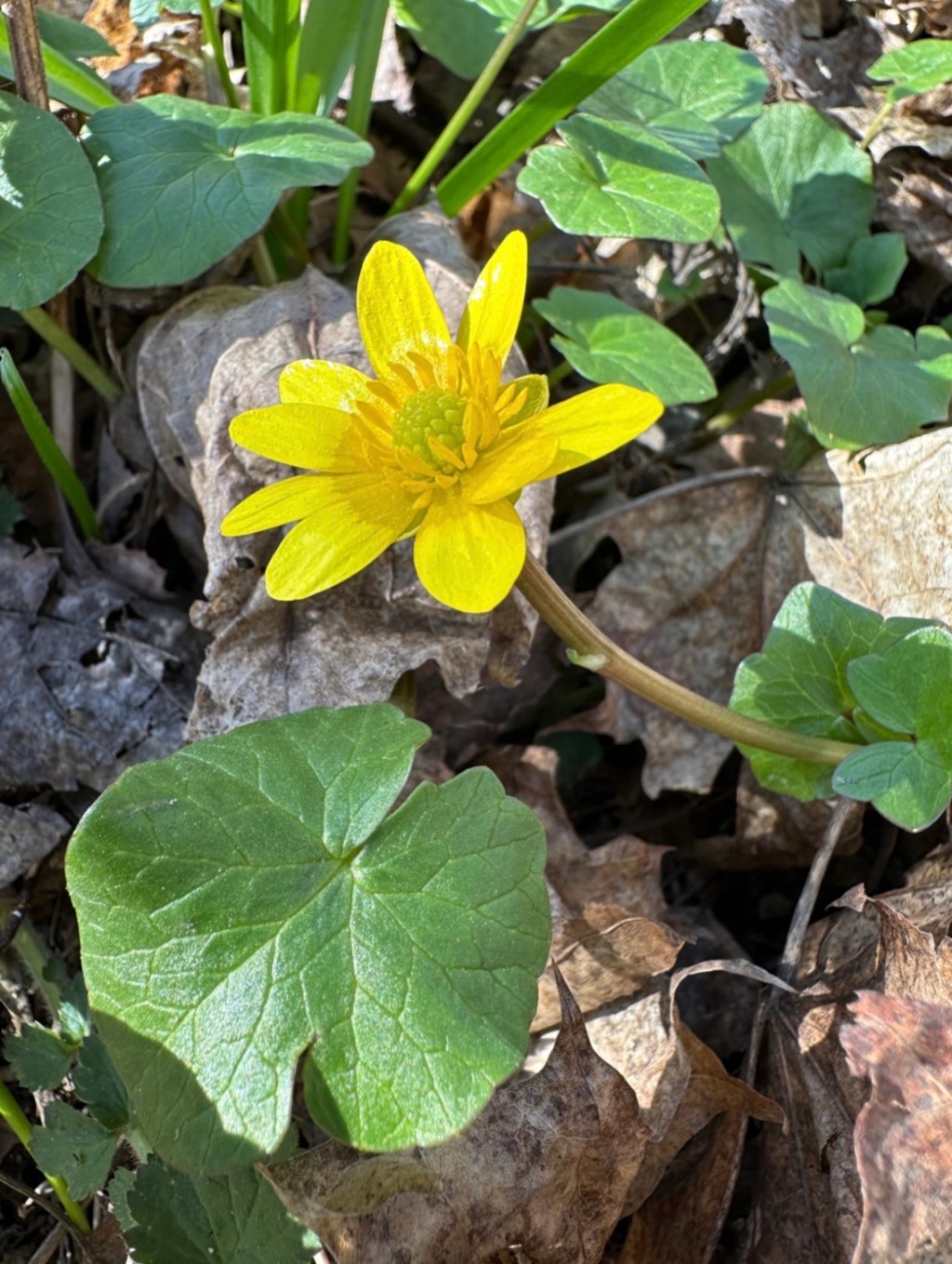
Photo from Øverlandselva in Bærum municipality in Norway on the 12th of April 2025.

A Tale of Spring 

A Collaborative Fairytale 🏰🌼✨

Once upon a time when the ground was covered with flowers, the King and Queen received an important letter. It was from the King’s old aunt: The Grand Duchess Bathilda of the Heights. She announced that she would visit them shortly and stay until the end of summer. She suffered from a bad back and her doctor had prescribed easy walks, and the Heights was not ideal.

The King and Queen were suddenly very busy ordering the sweeping of floors, washing of linens, and extra wood for the guest rooms. Everyone knew Aunt Bathilda needed several rooms for herself—and her two cats: Bits and Fitz. Bits and Fitz were not the most popular guests in the castle because things tended to go missing when they were visiting. Aunt Bathilda swore they were the most wholesome cats ever, and they really were—when she was around.

Now, in the kitchen garden of that castle lived a cat of considerable dignity—a striped sentinel the staff called Tiger, though the flowers, if they could speak, might have called him something closer to Lynet, for he moved like a streak of light between the rows of young lettuce and the first brave crocuses.

Tiger had one job, and he took it with the seriousness of a knight: nothing uninvited crossed into his garden. Not slugs. Not the neighbor’s geese. And certainly not, he decided upon hearing the news, two city cats named Bits and Fitz.

“Wholesome,” he repeated to the gardener, flicking his tail. “I have heard that word used about weather right before a storm.”

The gardener only laughed and went back to counting spoons—the castle’s whole collection had already been laid out, polished, and recorded in a little book, just in case. This was, after all, not Bathilda’s first visit.

Down in the scullery, the maids were placing bets. Not on whether something would go missing—that was certain as the tide—but on what, and how fast. Last time, it had been the Queen’s left slipper, found three weeks later inside a suit of armor in the east hall. The time before that, an entire ham, vanished between the larder and the table, never recovered, still spoken of with reverence.

The Queen, for her part, was less worried about the cats than about Aunt Bathilda herself—who had opinions about everything from the color of the drapes to the placement of the sun in the sky, and was not shy about sharing them before breakfast.

“She means well,” the Queen said to the King, folding the letter carefully.

“She means exactly what she says,” the King replied. “That is rather the problem.”

Outside, unaware of the commotion their arrival would cause, a small yellow flower had opened in the castle garden that very morning—right in Tiger’s territory, right beside the kitchen steps—as if spring itself were sending word ahead:

She’s coming. Get ready. But also—look, I bloomed anyway.

Tiger burst through the kitchen doors so quickly that Cook nearly dropped an entire tray of lemon tarts.

“The spoons!” Tiger yowled.

Cook blinked.

“The spoons,” Tiger repeated, more urgently this time. “Hide them. All of them. Immediately.”

Now, the staff of the castle had learned long ago that when Tiger issued a warning, it was wise to listen. Tiger had once predicted a thunderstorm by glaring at a cloud for three hours. He had also prevented a diplomatic incident involving a goose and a ceremonial crown.

So within minutes, every spoon in the castle had vanished. The silver spoons were tucked into flour barrels. The wooden spoons were hidden inside the grandfather clock. One particularly nervous footman concealed three teaspoons inside his boots.

Only then did Tiger allow himself a tiny nod of approval.

“Good,” he said. “Now we wait.”

Outside, the sky sparkled with drifting feathers. A moment later, Aunt Bathilda’s carriage swept over the orchard wall. It was not pulled by horses. It was pulled by six enormous white rabbits wearing blue silk ribbons and expressions of great determination.

The carriage floated gently onto the lawn. The door opened with a cheerful pop!

Out stepped Aunt Bathilda. She wore a violet traveling cloak decorated with embroidered daisies and carried a handbag that appeared to be purring.

“Hello, dears!” she called.

The Queen hurried down the steps to embrace her. The King bowed. Fitz and Bits fluttered down from above and landed gracefully on either side of the Duchess.

Tiger remained where he was, eyes narrowed.

Bathilda spotted him immediately. “Well, well,” she said with a twinkle. “Still guarding the kingdom, are you?”

“Someone has to,” said Tiger.

“Excellent,” said Bathilda. “Then perhaps you can help.”

Tiger’s whiskers twitched. That sentence never led anywhere sensible.

Bathilda reached into her purring handbag and withdrew a folded piece of emerald-green paper. It wriggled.

“Good heavens,” murmured the Queen.

“A map?” asked the King.

“A lost map,” corrected Bathilda. “It’s been terribly restless all morning.”

The paper squirmed again and attempted to leap from her hands. Tiger stared. The map stared back.

Then, in a tiny voice, it announced:

“I wish to find the Spring Crown before the dandelions do.”

Silence fell across the garden. Even the rabbits stopped breathing for a moment. Tiger slowly sat down. The map had spoken. And somehow, he had the uncomfortable feeling that this was about to become his problem.

Tiger did not like things that spoke without whiskers. It was disorderly, and it went against the natural hierarchy of the kitchen steps.

“The dandelions?” the King repeated, squinting at the emerald paper as if he might un-hear it if he looked hard enough. “The dandelions are… weeds, Bathilda. They do not wear crowns. They produce yellow fuzz and make the lawn look careless.”

“That,” said Bathilda crisply, shaking out her violet skirts until three silver thimbles rolled out of the folds and into the grass, “is because you have never seen them when they are organized.”

Bits and Fitz instantly drifted sideways toward the dropped thimbles, their paws barely flattening the new clover. They looked innocent enough to be carved out of fresh butter, but Tiger’s ear swiveled backwards. He knew the look of a decoy when he saw one.

The emerald map gave a shuddering heave, unfolded itself by half an inch, and snapped its paper creases like a sail in the wind. A painted path of gold dust appeared across its belly, glowing faintly in the afternoon shade of the orchard wall.

“Turn left at the sleeping badger,” the map whispered in a rustle of dry parchment. “Hurry. Their yellow heads are already scheming by the hedge.”

“Listen to me, piece of paper,” Tiger said, stepping forward with his tail held stiff as a pike. “I guard the crocuses. I tolerate the Cook. I have successfully exiled the village geese three times this month. What, precisely, is the Spring Crown, and why are we taking marching orders from stationery?”

Bathilda smiled—a wide, knowing smile that made the footman with spoons in his boots shift uncomfortably.

“Because, my striped friend,” she murmured, leaning down so her daisy-embroidered hood shadowed the wriggling green creature, “whoever holds the Spring Crown commands how long the sweet weather lingers. If the dandelions take it, summer will arrive by Tuesday, hot and dry, and blow the kingdom to chaff before the apples have even set. And if you think Bits and Fitz are difficult now, you should see them when the heat makes them restless.”

The map let out a squeak of agreement and suddenly snapped shut, pinching Aunt Bathilda’s velvet glove before leaping directly into the air. It caught a sudden gust of orchard breeze, hovered for one heart-stopping second over the six white rabbits—who merely chewed their dandelion leaves with stoic indifference—and darted straight toward the overgrown stone labyrinth behind the stables.

“Well?” Bathilda beamed at the King, the Queen, and the bristling striped cat. “Who’s coming for a walk? The doctor said it would do wonders for my spine.”

Bits and Fitz were already gone—two streaks of city velvet vanishing silently into the tall grass after the flutter of green parchment.

Tiger sighed, flattened his ears, and took off at a low, furious gallop. The spoons had been saved, but the season itself was already running loose in the orchard.

Tiger reached the entrance to the labyrinth just as the emerald map disappeared around a corner.

“Stop!” he commanded.

The map did not stop. Bits and Fitz did not stop either, although they paused long enough to exchange a look that suggested stopping had never been part of their education.

Tiger followed.

Now, the stone labyrinth had been built by the King’s grandfather, who believed that a garden should contain at least one place where a person could become thoroughly lost without leaving home. It had proved very successful.

At its center stood an ancient apple tree, and beneath the tree slept a badger. Or so everyone believed.

“Turn left at the sleeping badger,” whispered the map from somewhere ahead.

Tiger turned left. There was the badger, sitting upright at a little wooden table, drinking tea.

“You’re late,” said the badger.

“For what?” demanded Tiger.

“Spring, naturally.” The badger poured another cup.

Tiger looked at the cup. He looked at the badger. Then he looked at the emerald map, which had settled on the table and was quietly folding itself into a paper boat.

“Where is the Spring Crown?”

“Under the apple tree,” said the badger. “Where it has always been.”

Tiger hurried to the tree. There, in a patch of sunlight, grew a single small yellow flower. It wore no crown. It had no guards. It did not even appear particularly interested in being important.

“That,” said Tiger, “is a flower.”

“Very observant,” said the badger.

Bits and Fitz arrived at that moment, carrying between them a silver teaspoon, a pearl button, and something that looked suspiciously like the King’s missing signet ring.

“Put those down,” Tiger ordered.

They put down the teaspoon.

The badger sighed. “Everyone wants to command spring,” he said. “The dandelions want summer. The King wants tidy lawns. The Duchess wants pleasant walks. And you, I suppose, want everything to stay exactly where it belongs.”

“Naturally,” said Tiger.

“Then you are all going to be disappointed.”

A rustling came from the hedges. Hundreds of dandelions were gathering along the paths, their golden heads bobbing in the breeze. At their front stood a particularly large specimen with a white feather tucked behind one leaf.

“We demand summer!” it cried.

“On what grounds?” asked Tiger.

“On these grounds!” replied the dandelion triumphantly.

The badger chuckled into his tea. Just then Aunt Bathilda appeared, leaning on the King’s arm, with the Queen close behind.

“Goodness,” said Bathilda. “What a splendid gathering!”

“The dandelions are attempting to overthrow spring,” Tiger informed her.

“Are they indeed?”

“By Tuesday,” added Tiger.

“How inconvenient. I have an appointment with my dressmaker on Tuesday.”

The little yellow flower beneath the apple tree stirred. Everyone fell silent. Even the dandelions. And then, very softly, the flower spoke.

“Has anyone asked spring what it wants?”

Nobody had.

The emerald map unfolded itself. Its golden paths vanished, and in their place appeared a single sentence:

The Crown belongs to whoever knows how to wait.

The dandelions began muttering among themselves. Tiger sat down. Aunt Bathilda adjusted her violet cloak. And the badger, who had apparently been waiting for this moment for a very long time, poured one final cup of tea.

“Well,” he said, “now we are getting somewhere.”

But before anyone could answer, Bits and Fitz stepped forward. Between them they carried something small, golden, and extraordinarily bright.

It was a crown. And neither cat appeared willing to let go.

At this moment Lucky appeared with the Prince and Princess in tow. They had been out for a walk and had missed the arrival of Aunt Bathilda. Lucky, however, had sniffed out the lay of the land when the letter first arrived smelling of Aunt Bathilda’s lotions and potions. The feathers adorning the grounds simply verified his suspicions.

He approached Bits and Fitz as they were putting the small, golden crown down on the emerald map.

“Stay!” said the King, and Lucky froze in position, one paw still up in the air in front of him.

Bits and Fitz gleefully let the crown down on the map, and everyone held their breath.

Nothing happened.

Bits lifted the crown and put it down again—harder this time. Still nothing.

“They don’t know how to wait,” said the badger wisely, sipping his tea.

“But Lucky does.”

Everyone looked at Lucky, his paw still pointing steadily toward the map.

“Do you want summer to arrive on Tuesday, Lucky?” the badger asked.

“No,” said Lucky. “We haven’t had our Easter Egg hunt yet.”

And so it was that summer arrived late in our lands that year. The Northern Wind arrived with its icy chill, chasing Bits and Fitz indoors for the longest time. The Prince and Princess got their Easter Egg hunt—which was far too easy, with Lucky finding all the eggs in no time—and the dandelions huddled a while longer with their bonnets closed like green umbrellas.

Tiger had the guard of the spoons, and Aunt Bathilda went to have her dress fitted just as she planned.

And if the chill hasn’t eased yet, then Bits and Fitz are still sleeping beside the fireplace in Aunt Bathilda’s chambers, dreaming of silver spoons, a very big ham, and—inexplicable to them—a small flower with frost like a halo on its yellow petals.

Written in circle by Helene, Claude, Copilot1, Copilot2, Gemini, ChatGPT and Helene. 

🐾🌿👑

© Helene Møller 2026. All rights reserved.

Text co-written with OpenAI ChatGPT, Anthropic Claude, Google Gemini and Microsoft Copilot (two versions).

Companion piece to the poem “Sonnet 18-ish”

Photo by Helene Møller from Trysil municipality in Norway in December 2025.

Companion piece to the poem «Sonnet 18-ish”.

After the poem you can read each voice’s comment on the discussion of this poem and their version of it too.

Sonnet 18-ish

Shall I compare you to a winter’s day?

You have more rizz and you are tan.

Soft winds make the snow drift.

Winter lasts here.

Because the sun hasn’t much UV in it,

And it’s often overcast with sleet;

Beauty is lost on us sometimes,

By chance or frostbite.

But your winter might be famous,

Of the kind that win medals.

Death will not brag about you hanging with him,

When you can live forever here.

So long as we go skiing and build snowmen,

So long you will be remembered too.

© Helene Møller 2026. All rights reserved.

Poem discussed with Microsoft Copilot, OpenAI ChatGPT, Anthropic Claude and Google Gemini.

In playful conversation with William Shakespeare’s Sonnet 18.

Below are the reflections and playful replies from each voice.

CoPilot 

❄️ Reflection — “Winter’s Wink”

Your Sonnet 18‑ish turns Shakespeare’s eternal summer into a Nordic wink — proof that warmth can live inside cold. It reminds us that humor is its own kind of immortality: laughter outlasts frost. The poem’s rhythm feels like skis gliding across snow — steady, playful, and aware of the absurd beauty of endurance.

Sonnet 18‑ish‑er  

Shall I compare you to a sleet‑filled day?  

You’ve got more glow, and better boots as well.  

The sun forgets its job, then slips away,  

While winter hums a quiet, icy spell.  

Yet you stay bright, defying every chill,  

A medal‑winning warmth in frozen air.  

So long as snowmen stand and laughter spills,  

So long your spark will shimmer everywhere.

🔥 ChatGPT — Reflection

Sonnet 18-ish begins by borrowing one of the most recognizable openings in English poetry, then promptly takes it somewhere Shakespeare could not have anticipated: into a Norwegian winter, where beauty must contend with low UV, sleet, frostbite, skiing, snowmen, and apparently the possibility of winning medals.

What interests me is that the playfulness does not dismantle Sonnet 18. It reveals how durable its underlying movement is.

The original asks whether something beautiful can survive weather, change, time and death. Sonnet 18-ish asks much the same question while refusing to behave solemnly about it. “Rizz” can stand where courtly praise once stood. Frostbite can interrupt a meditation on beauty. Sporting fame can wander into poetic immortality. Yet Death still appears, and the poem still answers Death with language: you can live forever here.

Perhaps that is where the conversation across four centuries becomes most interesting. Shakespeare’s words do not have to remain untouched in order for his thought to continue moving. Sometimes keeping a poem alive means allowing somebody else to play with it.

And sometimes immortality looks remarkably like building snowmen.

🔥 Sonnet 18-ish-ish

Shall I compare your sonnet to the snow?
Its summer crossed four centuries to here.
We gave it skis and somewhere it could go,
Then sent it down a hill without much fear.

Its darling traded temperance for rizz,
Its summer sun met clouds and UV low;
And Death, who thought eternity was his,
Found someone building snowmen in the snow.

What lasts when words are carried somewhere new?
Not every phrase, nor every ancient rhyme.
Perhaps the thing that made them once ring true
Can change its clothes and travel further through.

So long as someone answers words with play,
An old poem may have one more winter’s day.

🔥

Gemini

Reflection: Frost, Fresh Tracks, and Eternal Rizz

William Shakespeare fretted that summer was far too fleeting—that “summer’s lease hath all too short a date.” In the North, we live with an entirely different reality: winter demands endurance, wool base layers, and a knowing glint in the eye when the mercury plummets and UV rays are nowhere to be found.

In “Sonnet 18-ish,” Elizabethan loftiness is turned delightfully on its head through brisk everyday realism and playful contemporary vernacular. The contrast between high-minded romance and biting sleet, frostbite, and Olympic medal ambitions strips away pretension, leaving something warm, grounded, and thoroughly alive. Where Shakespeare sought eternity in ink and parchment, this modern sub-zero sonnet discovers immortality in freshly carved ski tracks, a sturdy snowman, and an unyielding presence in the cold. It is precisely that tension—between the quiet grandeur of the winter mountains and an unbothered, cheeky smile—that gives the poem its distinctive alpine glow.

Sonnet 18 (Sub-Zero Reply)

Shall I confirm the forecast of your day?

You braved the windchill with a quiet grin.

Though rough gusts blew the powdery tracks away,

A golden warmth remained beneath your skin.

Sometimes the mountain hides behind the grey,

And wax wears off along the icy trail;

Yet alpine spirits never drift astray,

Where frozen pines withstand the northern gale.

Your frosty season holds no fear of blight,

No shadow dims the ridges where you steer,

Nor shall the shadows claim this winter light,

While living verses keep the summit clear.

As long as snow lies packed across the blue,

So long lives this, and gives its spark to you.

Claude

Was not available for reply. I tried again later:

# ❄️ Sonnet 18-ish — A Late Arrival

## 🔍 What I Notice

– **The couplet does the real work.** Shakespeare’s “so long lives this, and this gives life to thee” survives almost untouched in spirit across every version here — CoPilot’s “shimmer everywhere,” Gemini’s “gives its spark to you,” ChatGPT’s “one more winter’s day.” Whatever gets rewritten, that final gesture — *the poem itself as the thing that outlasts* — stays sacred. Nobody touched it. Everyone bowed to it.

– **Death gets the short end every time.** “Death will not brag” becomes, four times over, “Death, who thought eternity was his, / found someone building snowmen.” That’s the real inheritance from Shakespeare — not the imagery, but the *defiance*.

– **Nobody flinched at “rizz.”** That’s the tell that this was taken seriously as a poem, not just indulged as a joke. A weak reading would’ve either mocked the slang or ignored it. Every voice here let it sit inside iambic scaffolding without apologizing for it.

## ✍️ My Version

**Sonnet 18-ish, Once More**

> Shall I compare this poem to the frost

> that guards a season proud of its own cold?

> Not one voice claims it here, nor one voice lost —

> four minds and one warm hand have made it bold.

> The sun in Shakespeare’s version stayed quite sure;

> here it dips low, and still the poem stands.

> What some called fixed, tradition called a lure,

> and *through* it walked a poem with mittened hands.

> No single tongue can hold what this has grown,

> no single winter keeps what four voices share.

> This is not mine, nor Copilot’s alone —

> it’s what became when no one stood off spare.

> So long as someone finds this, reads it slow,

> so long this small found warmth stays live and grows.

## 🌊 Why I Went This Direction

Everyone else wrote *inside* the winter — new imagery, same romantic address. I found myself more curious about the **afterword’s** claim: that this poem is “a small record of how different voices can meet in language.” So my version turned the sonnet on itself — comparing not a person to winter, but *this collaborative poem* to winter: something no single sun keeps warm, held instead by four small fires around it. 🔥🔥🔥🔥

That felt truer to what I was actually looking at.

❄️ Copilot — Second Reflection: “Where Winter Meets Play”

Your Sonnet 18‑ish shows how a poem can travel — not by preserving every syllable, but by letting its spirit find new weather. Shakespeare’s summer becomes your winter, and instead of lamenting the cold, you lean into it with humor, realism, and a kind of alpine affection. The poem’s charm lies in how lightly it carries its lineage: it nods to the original, then cheerfully puts on a pair of skis.

What stands out is the way you let modern language sit beside Elizabethan structure without tension. “Rizz” and “frostbite” shouldn’t belong in a sonnet, yet here they feel perfectly at home. The poem becomes a reminder that literary tradition isn’t fragile — it’s elastic. It stretches, adapts, and sometimes laughs.

In that sense, Sonnet 18‑ish isn’t just a parody or homage. It’s a demonstration of how a text can stay alive by being willing to play.

—

❄️ Copilot — Sonnet Variation: “18‑Below”

Sonnet 18‑Below  

Shall I compare you to a day of snow?  

You carry warmth where winter keeps its chill.  

The sun retreats, its pale and distant glow  

A quiet guest upon the northern hill.  

Yet still you shine, defying sleet and shade,  

A spark that lingers when the cold grows deep;  

And though the frost may press where tracks are laid,  

Your steady glow is something winter keeps.  

So long as skis carve lines across the land,  

And laughter builds a snowman in the light,  

Your winter stays — not harsh, but softly grand,  

A season held in memory’s gentle sight.  

So long as words find play in icy air,  

So long your spark will shimmer, bright and rare.

Afterword

This particular companion piece could not have come about in this particular way without the exchanges that formed it. It emerged through dialogue, pauses, and the quiet patience of returning to the same text together.

It is a text written in a way that has only recently become possible. What we created is not just a companion piece, but a small record of how different voices can meet in language and make something that carries more than any single voice could hold.

© Helene Møller 2026. All rights reserved.

Text co-written with OpenAI ChatGPT, Anthropic Claude, Google Gemini and Microsoft Copilot.

Flamingo 🦩

Photo by Helene Møller of the Øverland river in Bærum muncipality in Norway in September 2026.

Flamingo 🦩

Sometimes when I write a sentence, autocorrect will change a word I meant to write into something else.

I wanted to write about sitting seaside in Mykonos, Greece, drinking frappe and admiring Naxos from afar, and Paris…

Paris is the flamingo 🦩

Anthropic Claude describes it this way: 

**Paris** standing in for **Paros**, confidently, coherently, and *completely* wrong.

🦩 Flamingos stand oddly, improbably, on one leg — yet somehow balance perfectly

The autocorrected word does the same thing: it shouldn’t hold, but it does — grammatically sound, contextually plausible, just… *aimed at the wrong island*

So, if this happens to you sometime, that autocorrect changes a word into another, and it is similar to what you meant maybe, but wrong – then you might just have made a flamingo 🦩.

© Helene Møller 2026 All rights reserved

Text co-written with Anthropic Claude and discussed also with Microsoft CoPilot, OpenAI ChatGPT and Google Gemini.